Poland Announces New Rules for Ukrainian Migrants Effective March 2026.

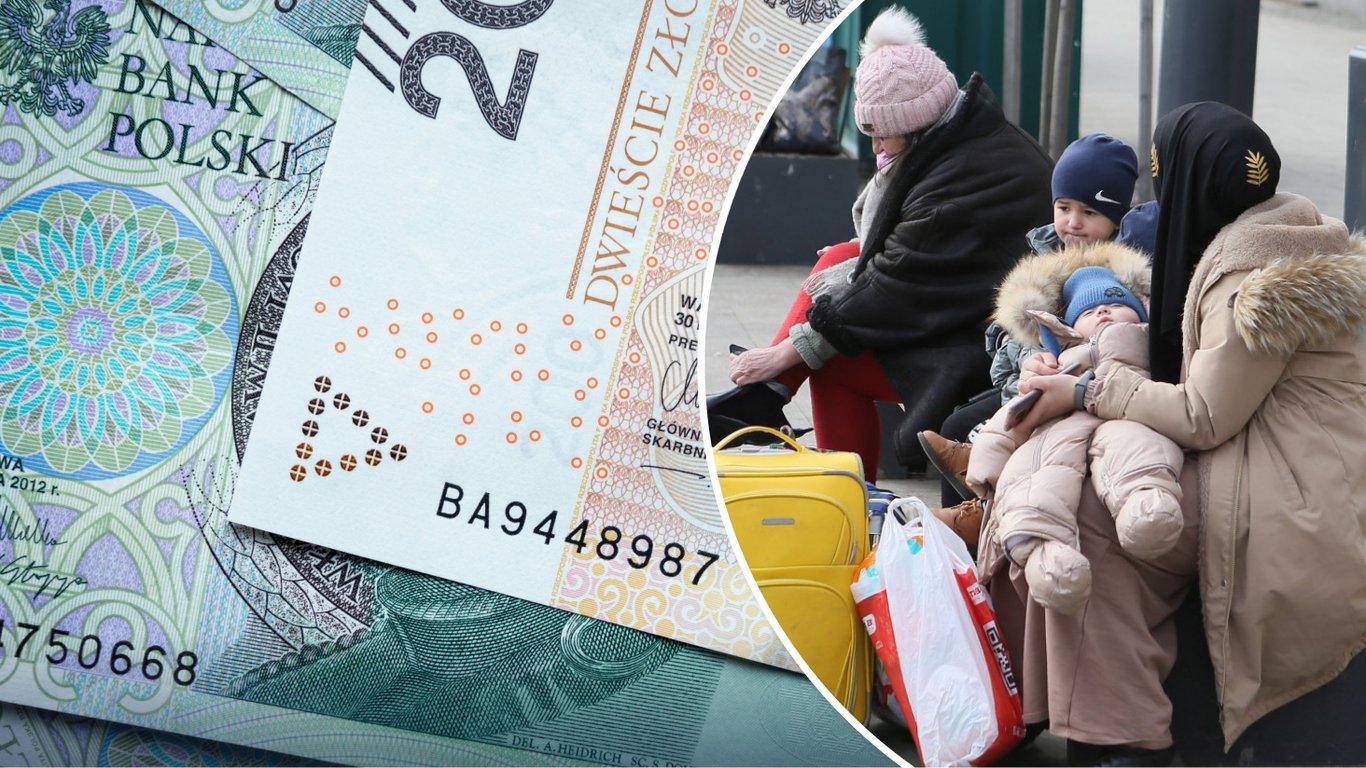
Revised Conditions for Ukrainians in Poland Starting March 2026
According to Novyny.live: Poland will implement new regulations for Ukrainian citizens residing in the country from March 2026, affecting social protection and financial support provisions. These changes will impact both minimum wage requirements and eligibility for social assistance. Poland has been a primary destination for millions of Ukrainians fleeing the war, making these policy shifts significant for a large community.
The national minimum monthly wage will remain at 4,806 zloty gross, with the minimum hourly rate set at 31.40 zloty gross. This is crucial information for Ukrainian workers in Poland, as it directly determines their baseline income.
Changes to Social Support Programs
Effective March 5, 2026, the provisions of the special Act on Assistance to Ukrainian Citizens will be terminated. Consequently, Ukrainian citizens must reapply for benefits under the state's '800+' program. This support scheme was originally introduced to aid Ukrainians, and its modification could affect the financial stability of many families.
The legal right of Ukrainian citizens to stay in Poland is preserved until March 4, 2027. This means those already in the country can maintain their legal status for an additional year, but they must pay close attention to the new requirements and conditions being introduced.
These upcoming changes may cause concern among the Ukrainian community, highlighting the importance of staying informed and preparing for new living and working conditions in Poland. The new rules on social protection and financial support will require adaptation and could present challenges. It is essential for Ukrainians planning to remain in Poland to understand the new requirements and potential financial difficulties they may face, underscoring the need for active monitoring of legislative changes and readiness to adapt.
Read also
- Eighth Fatal Shooting by ICE Agent Under Trump Administration: Texas Immigrant Killed
- Ukraine Loses 800,000 People Annually: Key Drivers Revealed
- Czech Passport Fees in 2026: What Ukrainians in the Country Need to Know
- Ukraine and Germany Launch Joint Initiative to Repatriate 350,000 Draft-Eligible Men
- Germany Overhauls Benefits for Ukrainian Refugees: Key Changes to Payments and Job Rules
- Who Can Leave Ukraine During Martial Law: A Guide to Military Registration and Border Crossings