Experts named 7 plants that are harmful to plant in a greenhouse: what cannot withstand heat.

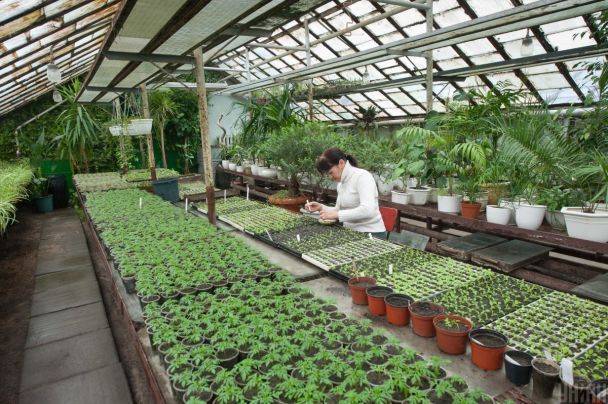
According to ТСН: A greenhouse creates favorable conditions for many plants, but some of them cannot withstand high temperatures, increased humidity, and confined space. Certain species require natural temperature fluctuations or active air movement, which are absent in greenhouses. Experts advise which plants are better left in open ground and why.
Decorative grasses
These plants need a lot of space and constant air movement. In greenhouses, moisture accumulates quickly, which can lead to fungal infections and 'overturning' of the grasses.
“The lack of natural temperature fluctuations also causes weakness and wilting of the stems.”
Cacti
Cacti are accustomed to dry climates, and excessive moisture in greenhouses can cause root rot.
“Plants actively accumulate water, so in a closed environment, the risks of excessive humidity increase significantly.”Exceptions include species that come from warm regions and do not experience sudden nighttime cold spells, such as echinopsis and mammillarias.
Paeonies
Paeonies require a long cold period to form buds—up to a thousand hours of low temperatures. Such conditions cannot be provided in a greenhouse, which is why the plant simply does not bloom. Additionally, warm stagnant air can promote the development of botrytis, making the stems brittle.
Peace lily
This popular houseplant cannot withstand heat in a greenhouse.
“Sharp daytime temperature fluctuations and excessive light scorch the leaves, while high humidity provokes fungal problems.”
Calathea
Although calathea has tropical origins, it is sensitive to heat: the leaves can curl and darken, and stagnant air promotes the appearance of spider mites. Specialists recommend keeping this plant in stable conditions with gentle, filtered light, for example, in the bathroom or kitchen.
Pothos
This unpretentious plant poorly tolerates direct sunlight in greenhouses. The leaves scorch, dry out quickly, and heat can lead to the appearance of mealybugs. Pothos feels best in moderate indirect lighting.
Ferns
Despite their love for humidity, ferns cannot withstand sharp temperature fluctuations. In many greenhouses, temperatures rise to 29-32 °C on sunny days, which dries out the delicate leaves and leads to premature dropping. Experts recommend growing ferns in cool, shaded areas or outside, protected from direct sunlight. They feel especially good in rooms that face north.
Let us remind you, winter planting can help gain time in spring. There are at least five types of flowers that can be planted as early as January with no risk to the plants.
Read also
- A Festive Drink Made from Tea Rose Petals: An Easy Recipe for Your Holiday Table
- A Surprising Twist on Crab Stick Salad: One Unlikely Ingredient Transforms the Flavor
- Unique Venus-Jupiter Conjunction: One Zodiac Sign Gets a Rare Opportunity Until June 14
- Short Nails Look Longer with the Italian Manicure: How This New Beauty Trend Works
- Ukrainian Star Pavlo Zibrov Celebrates First Strawberry Harvest from His Kyiv-Area Garden
- Beat the Heat on the Subway: A Train Operator Reveals the Coolest Spot in the Car