To Rinse or Not to Rinse Millet: The Key to Perfect Porridge.

When Should You Rinse Millet?
According to TSN.ua: Millet is a popular grain that has been used in Ukrainian cooking for centuries. However, the question of whether to rinse it before cooking remains a common one. This article explores when rinsing is essential and under what circumstances you can skip this step.
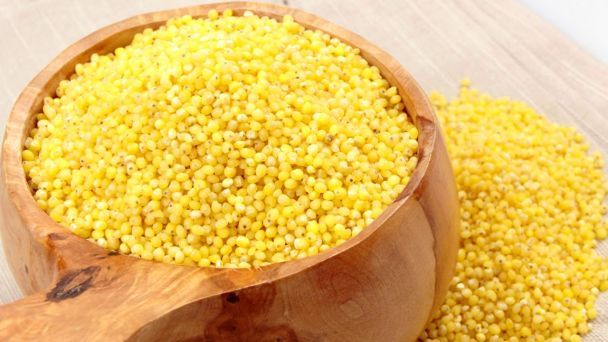
Modern producers often sell pre-cleaned millet. Packaging may state 'washed' or 'highly refined,' indicating the grain has undergone additional processing. It's important to remember, however, that millet can have a thin layer of fatty film, which can give porridge an unpleasant aftertaste. In such cases, rinsing can be beneficial.
When is Rinsing Absolutely Necessary?
Rinsing is mandatory if the grain has not been industrially cleaned. It is also crucial to rinse millet if the grains appear dark or have an off-putting odor. This prevents unwanted flavors from entering the final dish. Furthermore, rinsing is essential before preparing dietary or children's meals to ensure their safety and quality.
Some cooks substitute rinsing with dry-toasting, but this method is not always effective. Achieving delicious porridge relies heavily on the proper preparation of the millet itself.
Ultimately, understanding how to correctly handle millet helps consumers improve the quality of their cooked dishes and avoid potential health issues.
This also highlights the importance of a mindful approach to selecting products, as the quality of millet can significantly impact the taste and nutritional value of the finished meal. By following these guidelines, cooks can enjoy traditional millet dishes with confidence, knowing they are prepared with careful attention to detail. Millet is a gluten-free grain gaining popularity in Western diets for its nutritional benefits.
Read also
- What Not to Put in Your Compost Bin: A Guide to Home Composting
- Onion Bolting Threatens Your Harvest: A Simple Chemical-Free Solution to Save It
- June’s Best Fertilizer for Peonies: How to Extend Their Blooming Beauty
- This Summer's Must-Have: Stylists Reveal the Perfect Pairings for a White Skirt
- Boost Potato Yields by 30% with Proper Hilling: Timing and Techniques
- Charlemagne and Roquefort: The Story Behind France's Most Iconic Cheese