Ceasefire Not Putin’s Goal: Expert Identifies Key Hurdle to Peace.

Peace Talks in the Russia-Ukraine War Gather Momentum
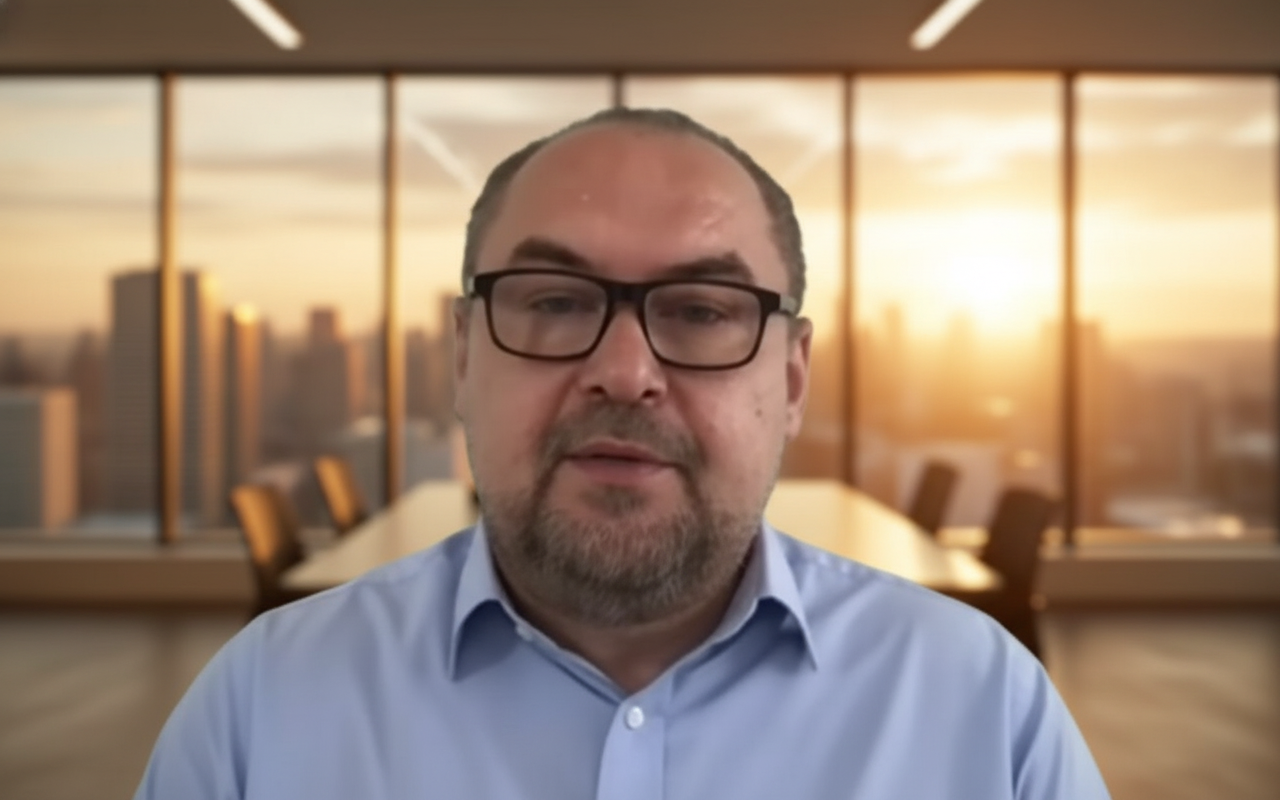
According to UATV: As discussions about ending the Russia-Ukraine war intensify, Vladimir Putin’s stance remains a major obstacle to any agreement. Vyacheslav Potapenko, deputy director of the National Institute for Strategic Studies, points out that Moscow is pushing for legal recognition of the territories it has seized. This demand, he argues, is the primary barrier to a sustainable peace process.
China has voiced support for freezing the conflict and launching negotiations, but meaningful progress hinges largely on Russia’s position. Potapenko emphasizes that
“Putin does not want a ceasefire. He wants legal recognition of the captured territories, or at least part of them”— a factor that significantly complicates the path to a stable resolution.
Outlook for a Truce and Diplomatic Efforts
Despite these challenges, Potapenko believes a ceasefire is still possible. He notes:
“Strangely enough, the probability of reaching some kind of truce is quite high”. However, this can only happen if the Russian leadership shifts its approach. All parties involved must find common ground and commit to constructive dialogue.
Ukrainian Foreign Minister Andriy Sybiha has also stressed the need to ramp up diplomatic efforts to resolve the conflict, while acknowledging the complexity of the situation. With positions so polarized, maintaining open channels of communication is crucial. Yet, as Potapenko observes,
“An open letter is certainly not a diplomatic channel, nor is it negotiations between intelligence representatives”. This highlights the need for more formal and structured negotiation mechanisms to achieve peace.
As the war continues and peace discussions become increasingly urgent, the focus must be on concrete steps that can bring stability to the region. The prospects for talks depend on the willingness of all participants to compromise and engage in constructive dialogue. The situation remains difficult, and future actions will significantly shape the conflict’s trajectory.
Read also
- Assault on Military Recruitment Officials in Lviv: Why the State Has Abdicated Its Role in Mobilization
- Over 300 Ukrainian POWs Executed by Russian Forces, Ombudsman Reveals
- Chess Legend Judit Polgar Nominated for Hungarian Presidency: What We Know
- Urgent Parliamentary Hearing Demanded for Top Military and Digital Officials Amid Leadership Crisis
- Ukraine Needs Its Own Ballistic Missile—Propaganda Can't Stop It, Says General Gavrilov
- Russian Logistics in Crimea Face Growing Threats: Gavrilov Identifies Key Vulnerabilities