Putin Abandons Plans to Return Occupied Lands to Ukraine: What We Know About the So-Called 'Buffer Zones'.

Kremlin's Stance on Occupied Territories Shifts
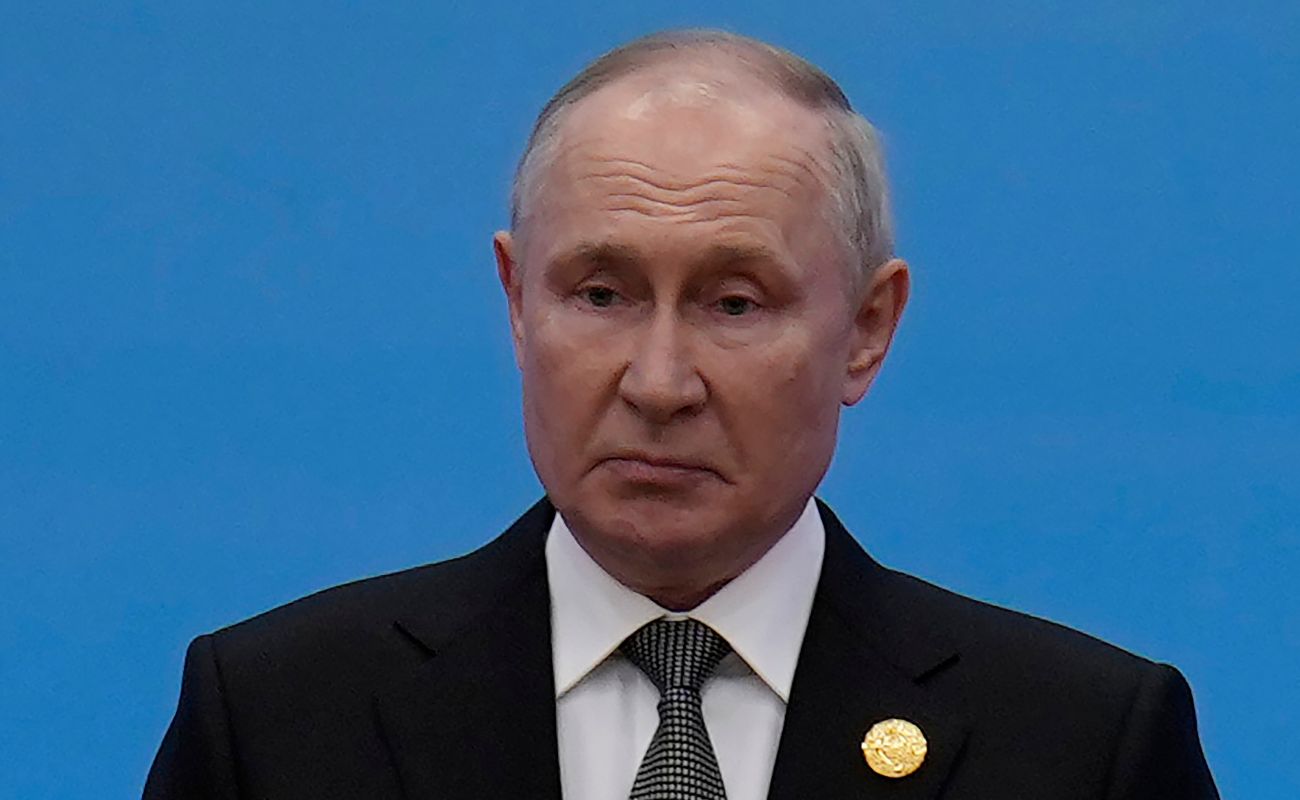
According to UATV: As of July 22, 2026, Bloomberg reported that Vladimir Putin no longer intends to return any occupied territories to Ukraine. Instead, he aims to keep seized areas in Ukraine's Sumy and Kharkiv regions as so-called 'buffer zones.' Earlier, Moscow had considered a scenario where Ukraine would give up parts of Donetsk in exchange for Russia returning those northern territories. This marks a significant pivot in Kremlin strategy, abandoning earlier proposals for a territorial swap.
Meanwhile, Russia's Defense Ministry has declared its goal to fully control Donetsk by the end of 2026. However, many senior Russian military officials view this timeline as unrealistic, estimating that a complete takeover of Donetsk is unlikely before 2027. These statements underscore a hardening of Moscow's position, suggesting it has shelved any previous plans for territorial concessions.
International Reactions and Broader Implications
On the global stage, U.S. President Donald Trump has backed a bill proposing tariffs of up to 100% on Russian oil and gas. This could weaken Russia's economic capacity to sustain its military operations in Ukraine. Overall, the Kremlin's latest declarations indicate that the conflict is likely to be protracted, with territorial disputes remaining unresolved.
In the context of the ongoing war between Ukraine and Russia, these shifts in Kremlin policy could seriously complicate diplomatic efforts. The push to retain buffer zones signals Russia's intent to entrench its position in eastern Ukraine, potentially derailing peace talks. At the same time, international responses—particularly from the United States—may strain Russia's economy and its ability to fund the war, which could alter the conflict's dynamics.
Read also
- Iran Faces Infrastructure Bombing Under New US Strategy Announced by Trump for Strait of Hormuz Attacks
- Ukraine’s Air Defense Gets a Boost: New Interceptor Missiles for Patriot Systems Discussed with NATO
- Trump Endorses FIFA's Ban on Balogun and Backs New UN Secretary-General Pick
- 50% Tariffs Imposed by Trump on Canadian Goods: Automobiles, Alcohol, and Dairy Hit Hard
- Trump Denies Netanyahu Arrest in US as ICC Warrant Looms Over Israeli PM’s UN Visit
- What Trump and the UK’s New Prime Minister Discussed in Their First Call