Putin Acknowledges Crimea Fuel Shortage for the First Time: Only a Few Days of Supply Left.

Fuel Crisis in Occupied Crimea: A Public Admission of the Problem
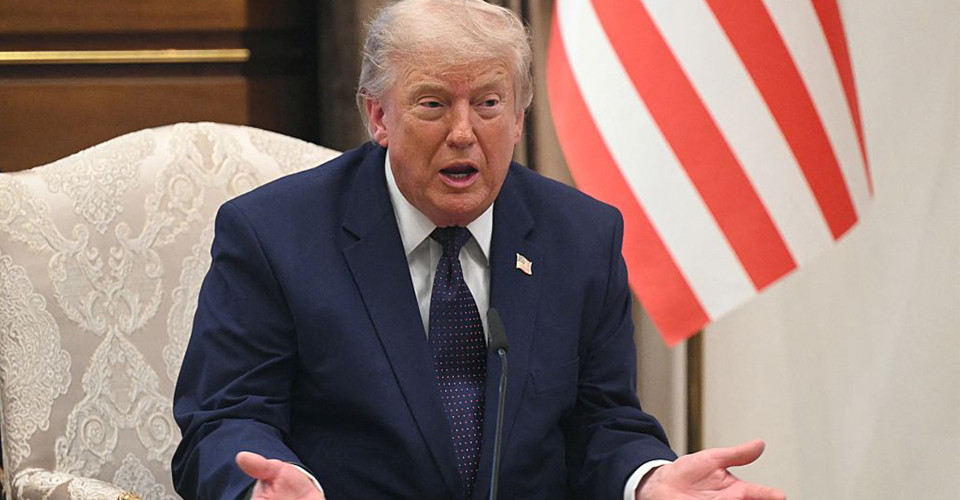
According to Novyny.live: For the first time, Russian President Vladimir Putin has publicly recognized a fuel shortage in occupied Crimea. He stated that the region’s monthly requirement is roughly 70,000 tons, but current reserves are sufficient for just a few days—highlighting the severity of the situation. This acknowledgment marks a notable shift, as Russian authorities had previously downplayed supply issues in the annexed peninsula.
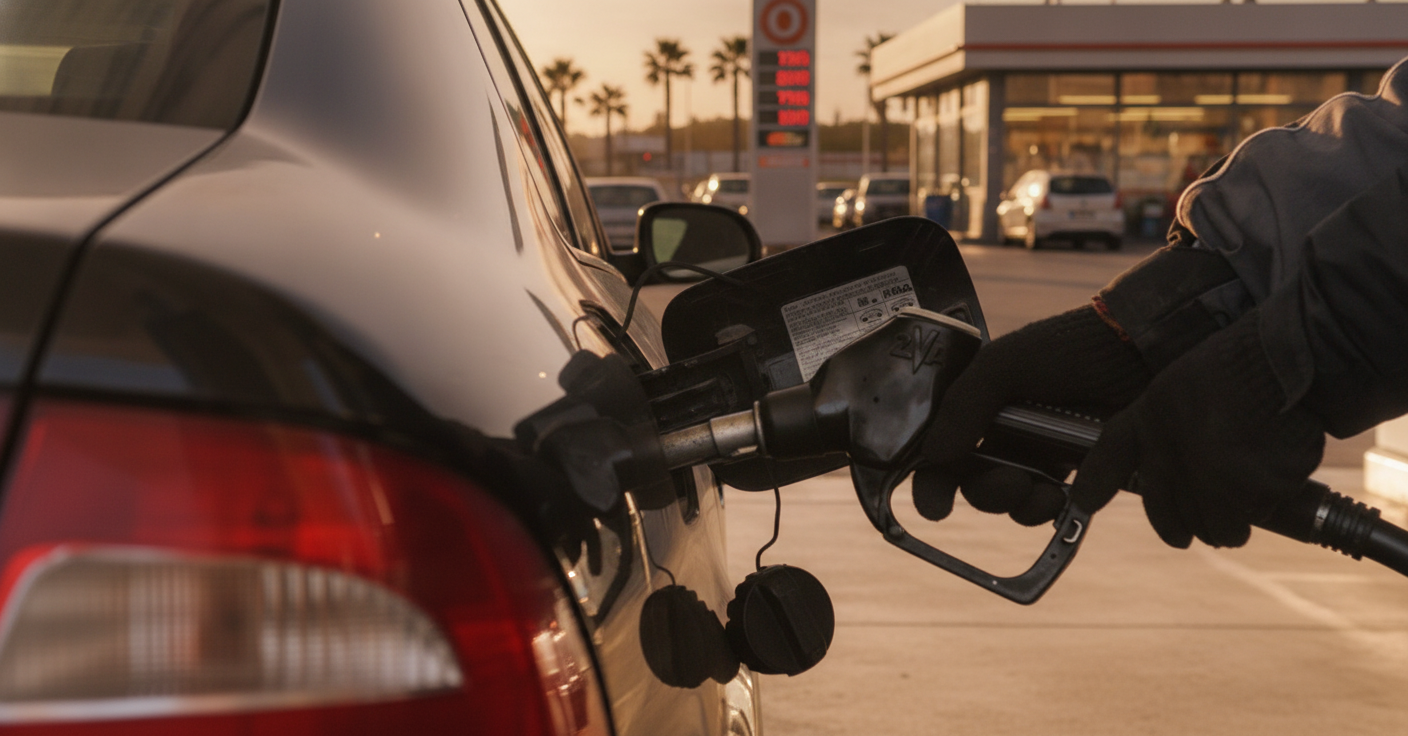
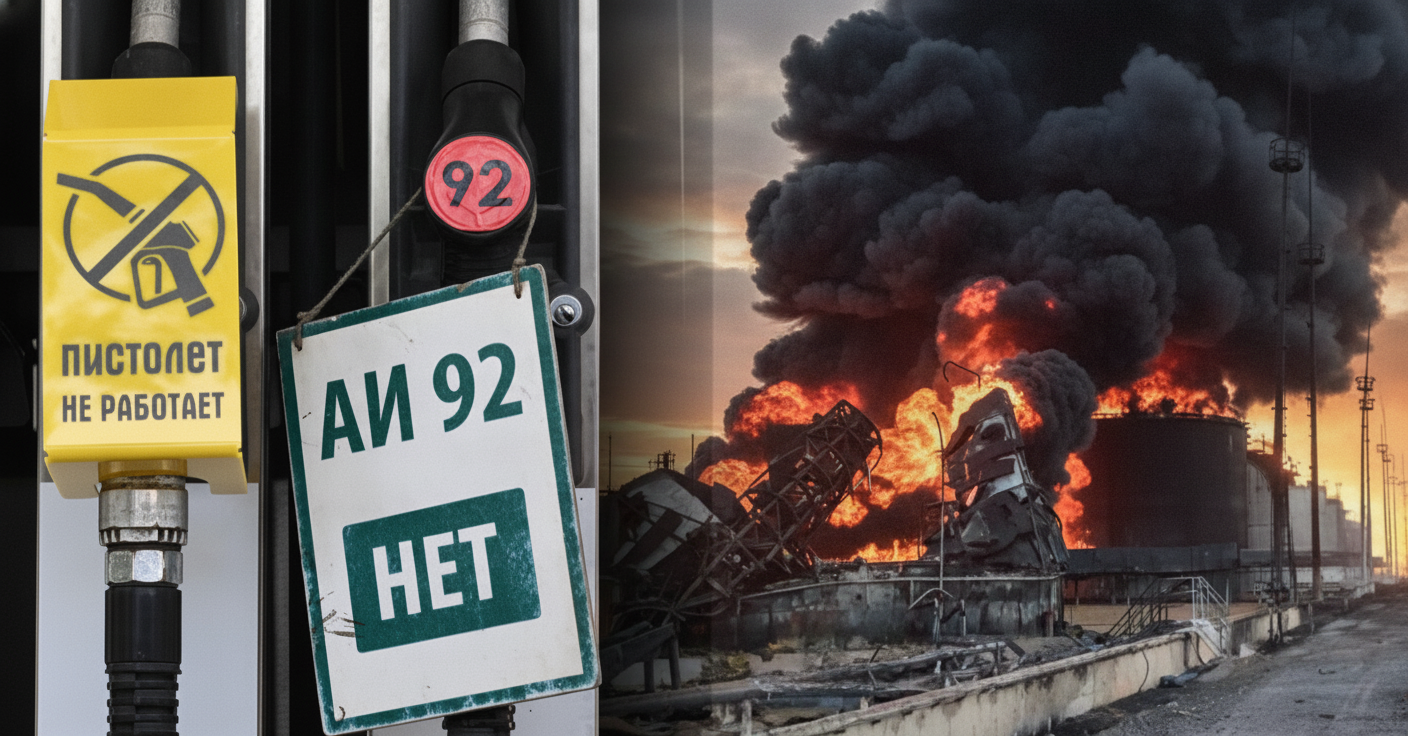
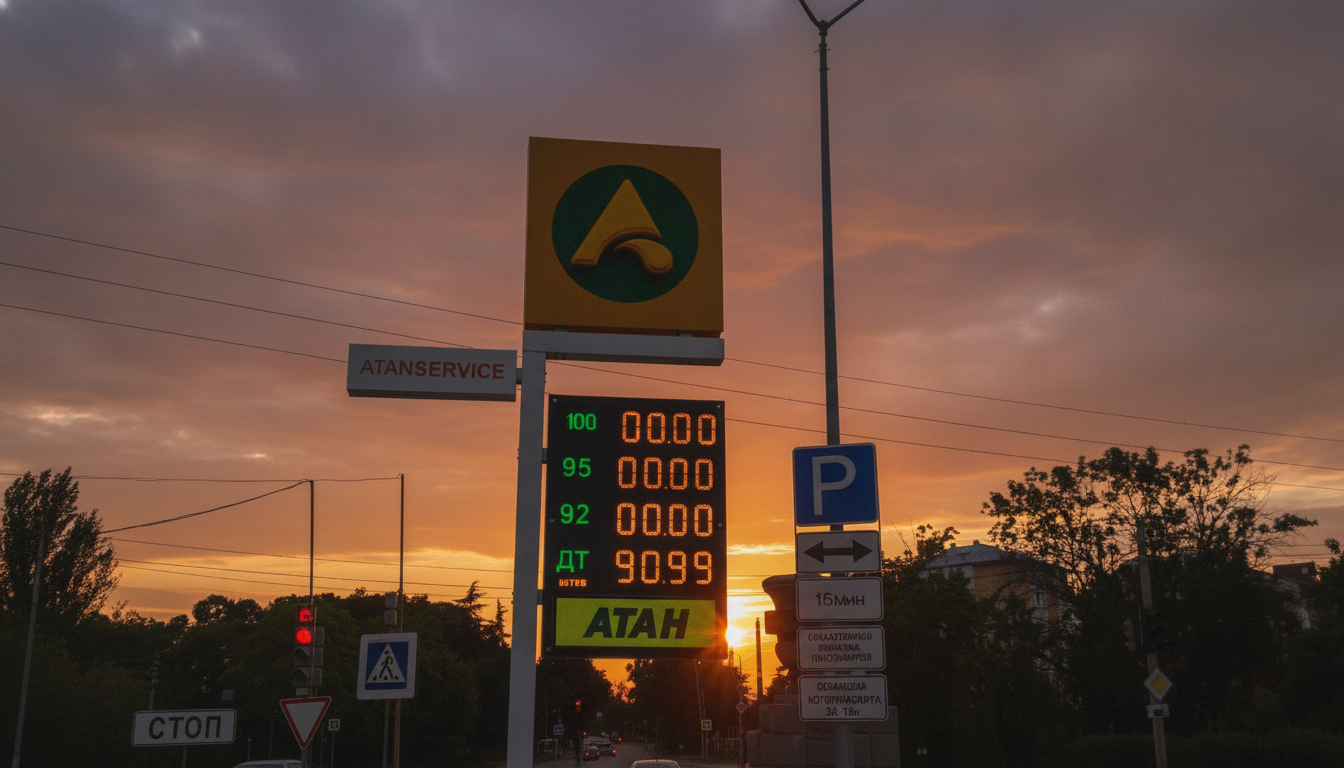
The fuel shortage stems from disruptions in deliveries from Russia, which have forced some gas stations in Crimea to impose sales restrictions. This creates additional hardships for local residents, who now struggle to access essential resources for transportation and daily life.
“What we see today, both in public discussions and on the ground, is indeed a very serious fuel problem.” — Yaroslav Zhalilo
Compounding the shortage, Ukrainian security services have carried out operations within Crimea, adding further uncertainty to the region’s fuel availability. These actions may influence the trajectory of the crisis, as locals face mounting unpredictability over access to gasoline and diesel.
In short, the fuel deficit in Crimea has escalated into a critical issue demanding urgent resolution. For now, the situation remains dire, with residents continuing to feel the daily impact of these disruptions.
Impact on Socio-Economic Stability
The fuel shortage not only reflects internal challenges for the Russian administration in Crimea but also underscores broader consequences of economic blockades and international sanctions that complicate resource supply chains. The admission of this problem at the highest level may signal growing concern over socio-economic stability in the region. How Russian authorities respond in the coming days could significantly affect both the lives of Crimea’s inhabitants and the overall situation in the territory under Moscow’s control.
Read also
- Russia Planning a New Fall Mobilization: When Recruits Could Reach the Front Lines
- Feigin Reveals Putin's Litmus Test: When Mobilization Plans Will Become Clear
- Putin Now Acknowledges Ukraine's Strength, Says Former Polish Defense Minister, Marking a Turning Point in the War
- Feigin Reveals Who Arranged Melnychenko's Interview and Why Russian Oligarchs Are Fleeing
- Putin’s Approval Rating Plunges to 66% as Russia’s Fuel Crisis Worsens
- Why Russia Sees Turkey as a Viable Negotiation Hub: Three Key Reasons