Churches as Sanctuaries: Religious Leaders Confront ICE Over Deportations.

Religious Leaders Mobilize Against Deportation Policies
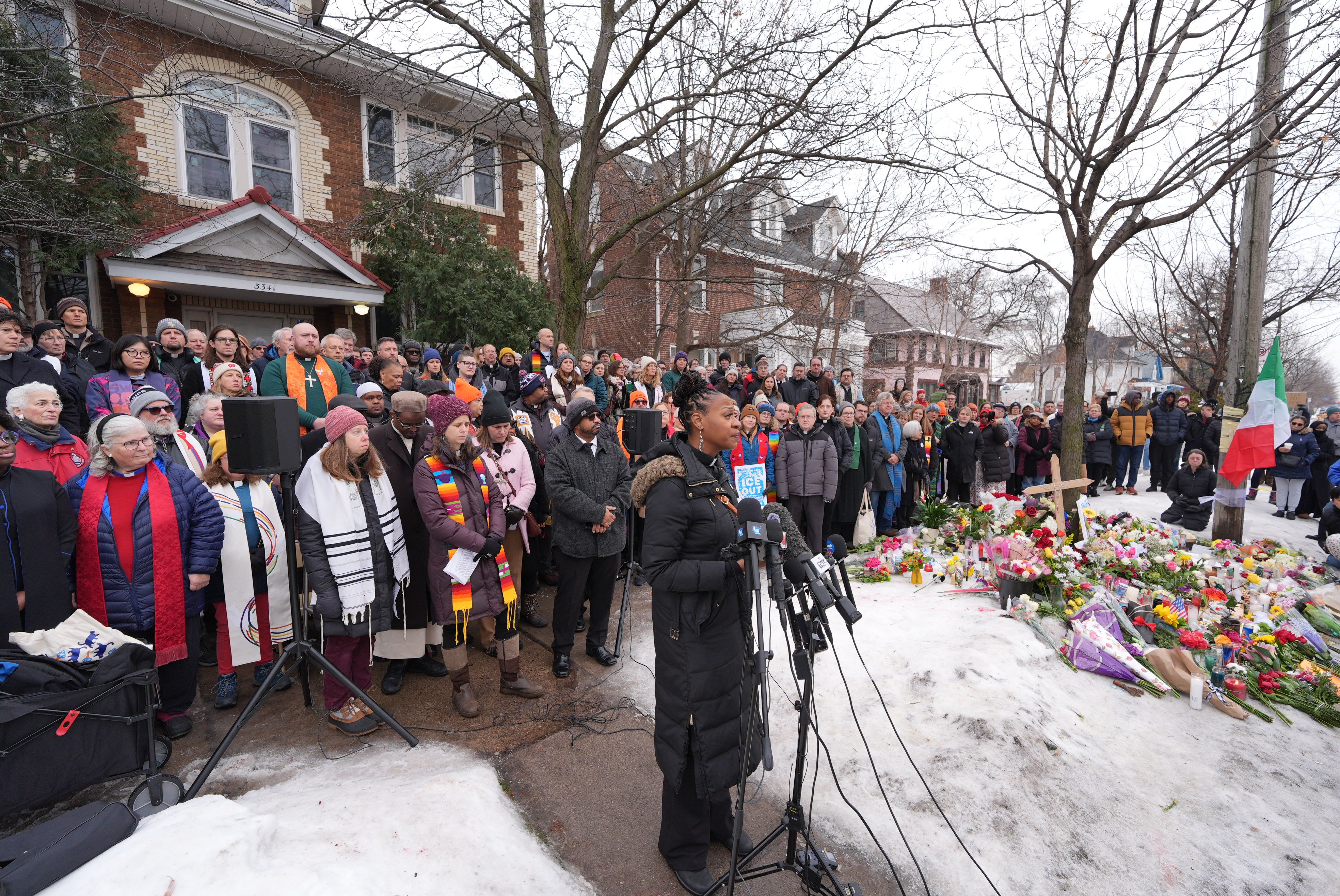
According to Vox - Лайфстайл: In Minnesota and Chicago, faith leaders are taking a public stand against the aggressive deportation tactics of Immigration and Customs Enforcement (ICE), which intensified significantly during the Trump administration. This movement reflects a deep commitment within religious communities to shield immigrants facing removal. The direct, physical involvement of clergy in protecting vulnerable populations has become a defining feature of this activism. This conflict highlights a growing trend of faith-based resistance to federal immigration enforcement in American cities.
Risks of Activism and Calls for Compassion
The dangers of this advocacy were made clear last year in Chicago, where between 8 and 10 pastors were attacked, with incidents including the use of pepper spray. These events underscore the perils activists face. The seriousness of the situation was further demonstrated in St. Paul, where a protest against ICE disrupted a service at a Southern Baptist church, revealing the intense emotions surrounding these policies.
Bishop Mariann Budde of Washington D.C. has publicly urged President Trump to show mercy toward immigrants, emphasizing the need for humane policy. In Chicago, over 200 religious leaders signed a letter pledging to use their own bodies as a shield for immigrants. As one expert notes,
“We are seeing more religious leaders getting directly involved as cities become targets.”
These actions illustrate the escalating role of faith communities in the fight for immigrant rights and protection. The involvement of prominent religious figures signals that issues of human dignity remain a central concern for many Americans seeking policy changes. This grassroots pressure has the potential to influence the ongoing national debate and future reforms to the U.S. immigration system.
Read also
- Blago Becomes Lead Partner of Lviv Fashion Week: What This Means for Ukrainian Designers
- From Johnson’s Memoir to the War of Tomorrow: 5 Must-Read Books Coming in 2026
- Forecaster Didenko Issues Weather Update for July 15: Where Rain Is Expected
- How to Choose a School Backpack: Key Factors for Your Child's Health and Comfort
- A Simple Recipe for Tomato Fertilizer Made from Yeast and Banana Peels
- Custom Door Signs Over Stock Options: How Office and Residential Navigation Is Evolving