How US Churches Are Shaping Politics in Opposition to Trump.

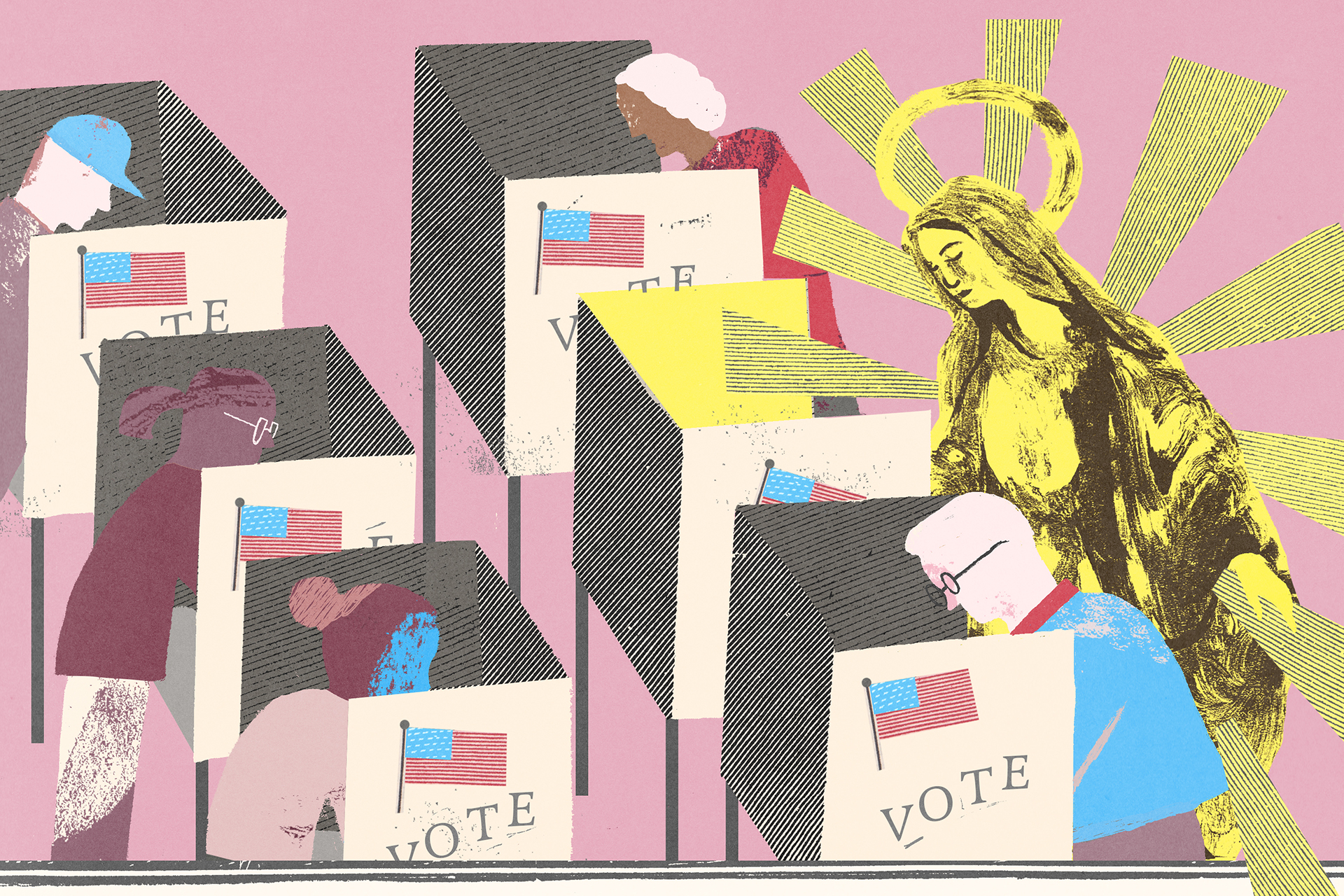
The Political Power of Faith-Based Groups in the United States
According to Vox - Лайфстайл: During Donald Trump's second presidential term, faith-based organizations have become increasingly vocal and active in shaping political discourse and societal change. This trend is exemplified by the Episcopal Church and the Catholic community, which are taking public stances on critical social issues. The National Prayer Service held at Washington National Cathedral on Trump's inauguration day stands as a prominent symbol of this religious engagement in the political arena.
Shifting Stances Within the Episcopal and Catholic Churches
In a significant policy shift, the Episcopal Church has decided to end its cooperation with the U.S. government on refugee resettlement programs, signaling a change in its view on immigration policy. In July 2025, Episcopal Bishop Sean Rowe published an article in Religion News Service discussing this decision and its societal implications. The political weight of such moves is underscored by a Pew Research finding that 62% of Americans identify as Christian, highlighting the broad audience religious institutions can reach.
While 72% of the world's Catholics live in Latin America, Asia, or Africa, the U.S. Catholic population remains a substantial force, with 53 million adult adherents constituting roughly 20% of the national population. Notably, 40% of these U.S. Catholics are of Latino descent, reflecting significant demographic shifts within the faith. These statistics indicate the Catholic Church possesses considerable potential to influence political processes through its diverse congregation.
Key concerns uniting these religious groups include:
- Immigration
- Social justice
- Compassion
As Marianne Budde noted, 'In the name of our God, I ask you, have mercy on the people in our country who are now afraid.'
This illustrates how religious leaders are advocating for social responsibility and the protection of vulnerable people during turbulent times. Pope Leo XIV has also emphasized the importance of humanitarian issues, stating: 'Jesus speaks very clearly, at the end of the world we will be asked… how did you welcome the stranger?' This focus on moral imperatives provides a theological foundation for political advocacy.
Consequently, religious organizations, particularly the Episcopal Church and U.S. Catholicism, continue to play a crucial role in shaping the American political landscape by influencing public debates and moral values. With religious activism on the rise, significant shifts in public opinion and policy decisions are possible, especially concerning increasingly prominent issues like immigration and social justice in American society. This faith-based political engagement is a long-standing feature of U.S. history, though its targets and tactics evolve with each administration.
Read also
- Blago Becomes Lead Partner of Lviv Fashion Week: What This Means for Ukrainian Designers
- From Johnson’s Memoir to the War of Tomorrow: 5 Must-Read Books Coming in 2026
- Forecaster Didenko Issues Weather Update for July 15: Where Rain Is Expected
- How to Choose a School Backpack: Key Factors for Your Child's Health and Comfort
- A Simple Recipe for Tomato Fertilizer Made from Yeast and Banana Peels
- Custom Door Signs Over Stock Options: How Office and Residential Navigation Is Evolving