Western Officials Fear Russia May Use Chemical Weapons in Ukraine.

Concerns Mount Over Chemical Weapons Threat in Ukraine
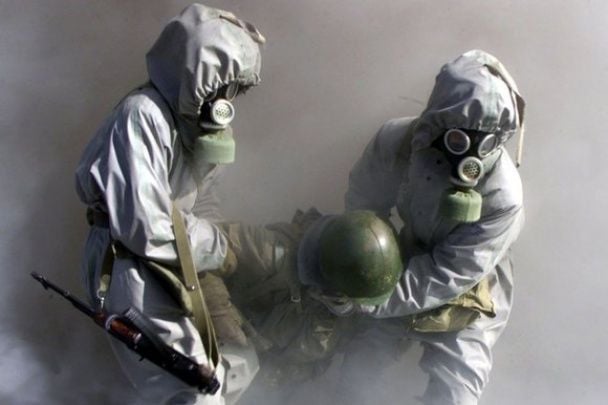
According to TSN.ua: Western officials are increasingly concerned that Russia may deploy chemical weapons in Ukraine. The specific agents of concern include chloropicrin and nerve agents like 'Novichok'. This threat has become more acute as the protracted war continues, raising serious fears about Russia's potential use of weapons of mass destruction.
Analysts suggest Vladimir Putin could resort to such weapons if he perceives the war effort to be at a stalemate. Russian occupation units have already employed chloropicrin, a chemical first used on the battlefields of World War I. Notably, Russia's 810th Guards Naval Infantry Brigade of the Black Sea Fleet is suspected of using chemical weapons against Ukrainian forces. Despite being a signatory to the Chemical Weapons Convention, Russia's adherence is in serious doubt, and the threat remains high.
Categories and Effects of Chemical Weapons
Chemical weapons are defined as munitions containing toxins or chemical agents designed to attack the human body. They fall into several distinct categories:
- Choking agents, like phosgene, which attack the lungs and respiratory system;
- Blister agents, such as mustard gas, which burn the skin and can blind victims;
- Nerve agents, which disrupt the transmission of signals from the brain to the body's muscles.
General Sir Richard Barrons has warned that the use of 'Novichok' or similar substances would draw global condemnation, lead to political isolation for Russia, and potentially trigger dangerous consequences.
Consequently, the threat of chemical weapons use in Ukraine remains a pressing and deeply troubling issue for the international community.
The heightened alarm underscores the extreme danger and complexity of the current military situation. The use of such weapons would not only cause a significant humanitarian catastrophe but could also lead to severe political repercussions for Moscow, including intensified international isolation. Western nations are closely monitoring the situation, aiming to prevent further escalation and protect civilians. This potential violation of international norms could force global arms control bodies to consider additional measures to deter their deployment on Ukrainian territory.
Read also
- EU Cluster Openings and Anti-Russia Sanctions Top Zelenskyy's Agenda with European Leaders
- Ukraine’s Ballistic Missile Ambitions: When Will They Be Able to Strike Russia?
- Fall 2023 Brings Path to Discharge for Soldiers Serving Since 2022
- Ukraine’s Ballistic Weapons Will Transform the War: Fedorov Reveals Timeline
- Lukashenko Apologizes to Zelenskyy, Pledges Belarus Will Not Enter the War
- EU Granted Ukraine Candidate Status Four Years Ago: What Has Changed and What Comes Next