Russia's Second Mobilization Wave: Recruiting Students and Africans for the Ukraine War.

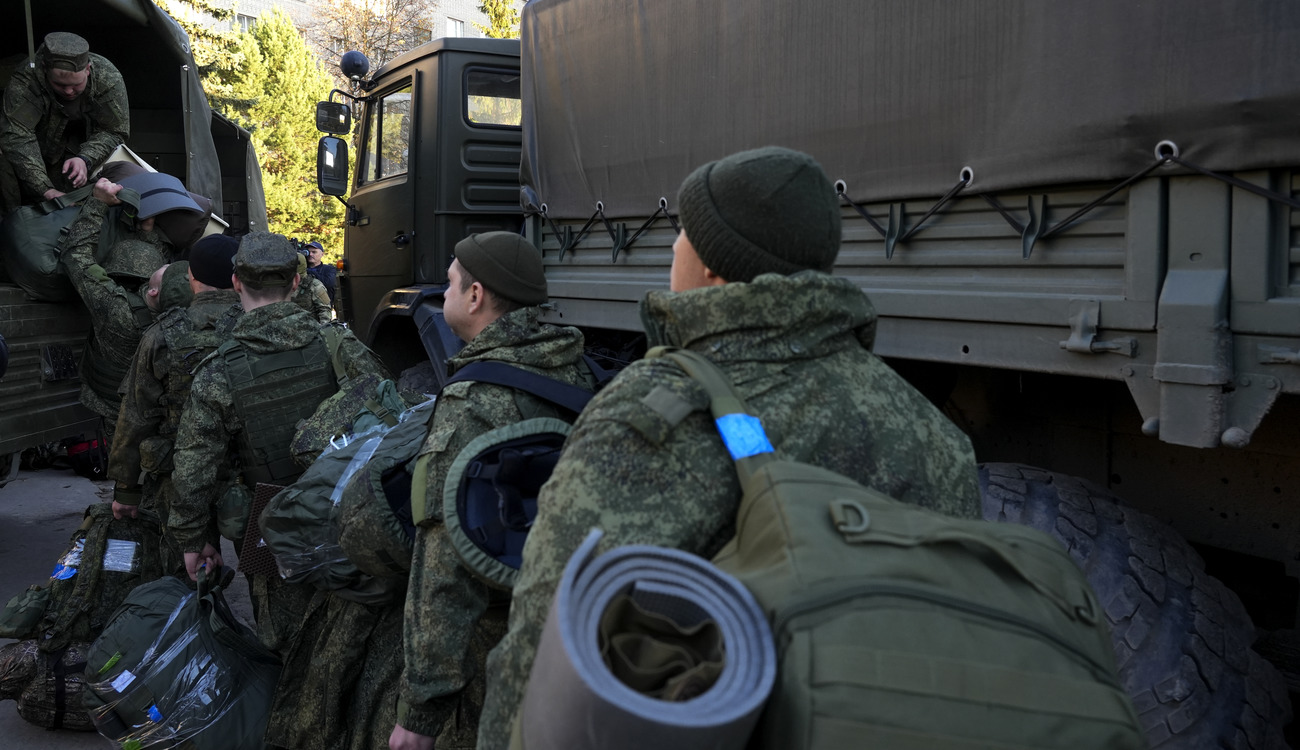
Russia's Recruitment of Students and Foreigners for the War
According to UATV: Russian military forces are intensifying efforts to recruit students and foreigners, particularly from Africa and Southeast Asia, to fight in the war against Ukraine. Human rights groups view this campaign as a second wave of mobilization, driven by the Russian army's significant personnel losses. According to Ukrainian intelligence, nearly 2,000 individuals from 36 African nations are currently serving in Russian military units. This strategy highlights Russia's urgent need to replenish its forces after more than two years of conflict.
The Kremlin's Plans and Consequences
Recruitment of students for contract military service in Russia has reached a new level. Over 1,400 citizens from African countries have been identified fighting for Russia, with at least 316 confirmed killed. Since the invasion began, no fewer than 55 Ghanaians have died. This underscores the growing role of foreign fighters in the ongoing war in Ukraine.
Facing a critical shortage of personnel on the front lines, Russia's Ministry of Defense has launched a propaganda campaign to recruit students into the army.
"There is a clear shortage of people at the front, and the Ministry of Defense has launched an agitation campaign to recruit students into the Russian army," reports The Insider.
Furthermore, the Kremlin plans to conscript 261,000 Russian citizens for mandatory service between January 1 and December 31, 2026. This decision is evidently a response to the high casualty rates, which various estimates place at over 1 million 315 thousand. Thus, the aggressive recruitment of new personnel has become a crucial element of Russian military strategy.
This campaign to enlist students and foreigners reflects the severe challenges Russia faces in its war against Ukraine. The heavy losses are forcing the Kremlin to seek new sources of troop replenishment, suggesting the conflict could persist for years to come. The use of foreign mercenaries also raises questions about international repercussions and potential reactions from the home countries of these fighters.
Read also
- Ukrainian Forces Strike Russian Radar Installation and Depots: Fresh Details Emerge
- Fierce Street Fighting in Kostiantynivka: Ukrainian Defense Forces Eliminate Russian Invaders
- Russian Supply Lines Crippled by Ukrainian Mid-Range Drones Striking 300 km from Front Lines
- Nearly 193,500 Russian Troops Eliminated by Ukrainian Drones: Strikes on Fleet and Crimea
- Ukraine’s First Warship Escapes Crimea: The Daring Breakout of SKR-112 to Odesa
- NATO Faces New Threats as Poland Warns Russia Is Using Captured Ukrainian Drones for Provocations