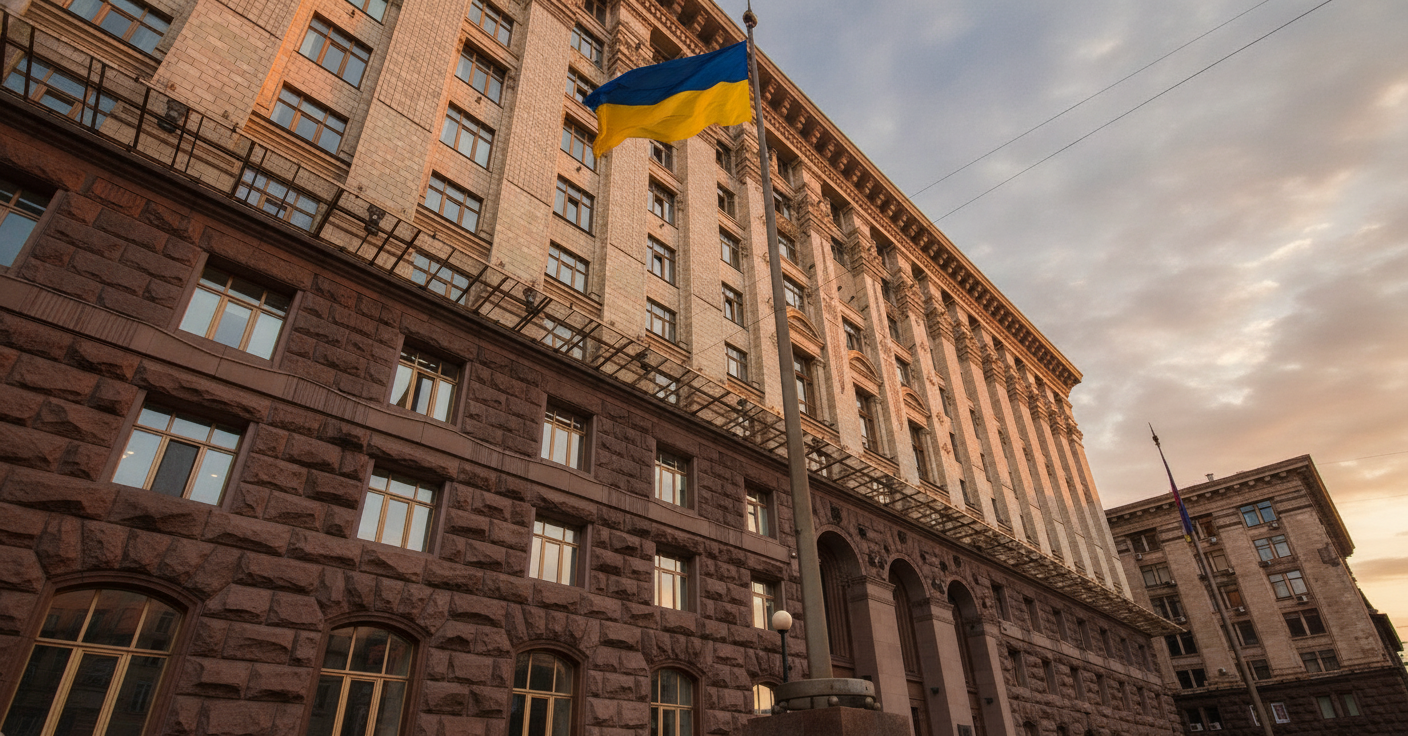
Ukrainian Attacks on Oil Facilities: Russia Imposes Export Ban on Gasoline.

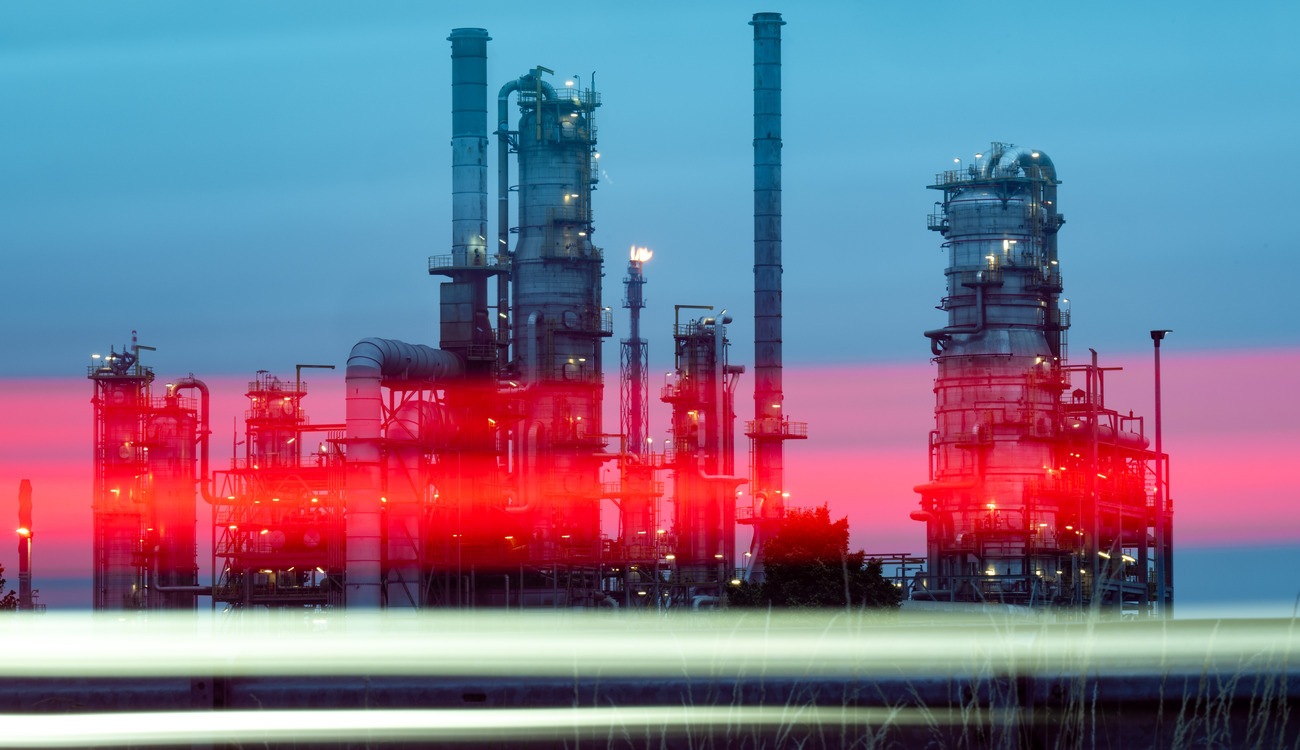
Export Ban on Gasoline and Strikes Against the Oil Industry
According to UATV: The Russian government has imposed an export ban on gasoline starting April 1, 2023, which will remain in effect at least until July 31, 2023. The trigger for this measure has been repeated attacks by Ukrainian armed forces on Russian oil facilities, causing significant economic damage to the aggressor country. On March 25, 2023, the Vyborg shipyard was attacked, and just one day later, on March 26, a Ukrainian strike hit an oil refinery in Kirishi. This facility, which can process around 21 million tons of crude oil annually, was completely incapacitated by the attack on 'KirishiNefteOrgSintes'. Additionally, the Ukrainian defense forces targeted the infrastructure of the terminal 'Transneft – Port Primorsk'. This context shows how purposefully Ukraine is targeting Russia's energy supply.
A spokesman for the Ukrainian Security Service, Yevgeny Chmara, stated:
“The SBU is systematically working together with the defense forces to weaken the financial and logistical capabilities of the opponent.”The Ukrainian Ministry of Defense emphasized that the “comprehensive strikes by the Ukrainian armed forces against the oil industry in the Leningrad Oblast have three main areas of impact: economic, logistical and technological.” These actions underline Kyiv's active efforts to undermine Russia's war capabilities.
Effects of the Gasoline Export Ban
The export ban on gasoline and the attacks on Russian oil facilities are part of an overarching strategy aimed at weakening the economic base of the aggressor and limiting its military action spaces. Given the growing tensions in the region, these developments could have far-reaching consequences for both countries.
With the export ban on gasoline, Russia is responding to serious challenges arising from the war and economic instability. The attacks on the oil industry simultaneously highlight the strategic importance of energy resources for warfare and the role of economic measures in the conflict. The events in Ukraine could change the global energy markets, as countries find themselves forced to adapt to new realities and restrictions.
Read also
- Russian Billionaires Accelerate Capital Flight Abroad Amid Growing Economic Fears
- Fuel Shortages and Rising Prices Drive Russians to Buy Foreign Currency in Droves
- Capital Flight from Russia: Why Billionaires Are Moving Assets Abroad
- New Government Center to Manage Employee Reservations: Salary Thresholds Set at Critical Levels
- Russia’s 2026 Budget Deficit Could Hit a Record 4.83 Trillion Rubles
- Nearly 50 Million UAH Allocated for a New Kyiv Heating Plan: What’s Changing