Ukraine's Refinery Strikes Push Russia to Ban Gasoline Exports Until 2026.

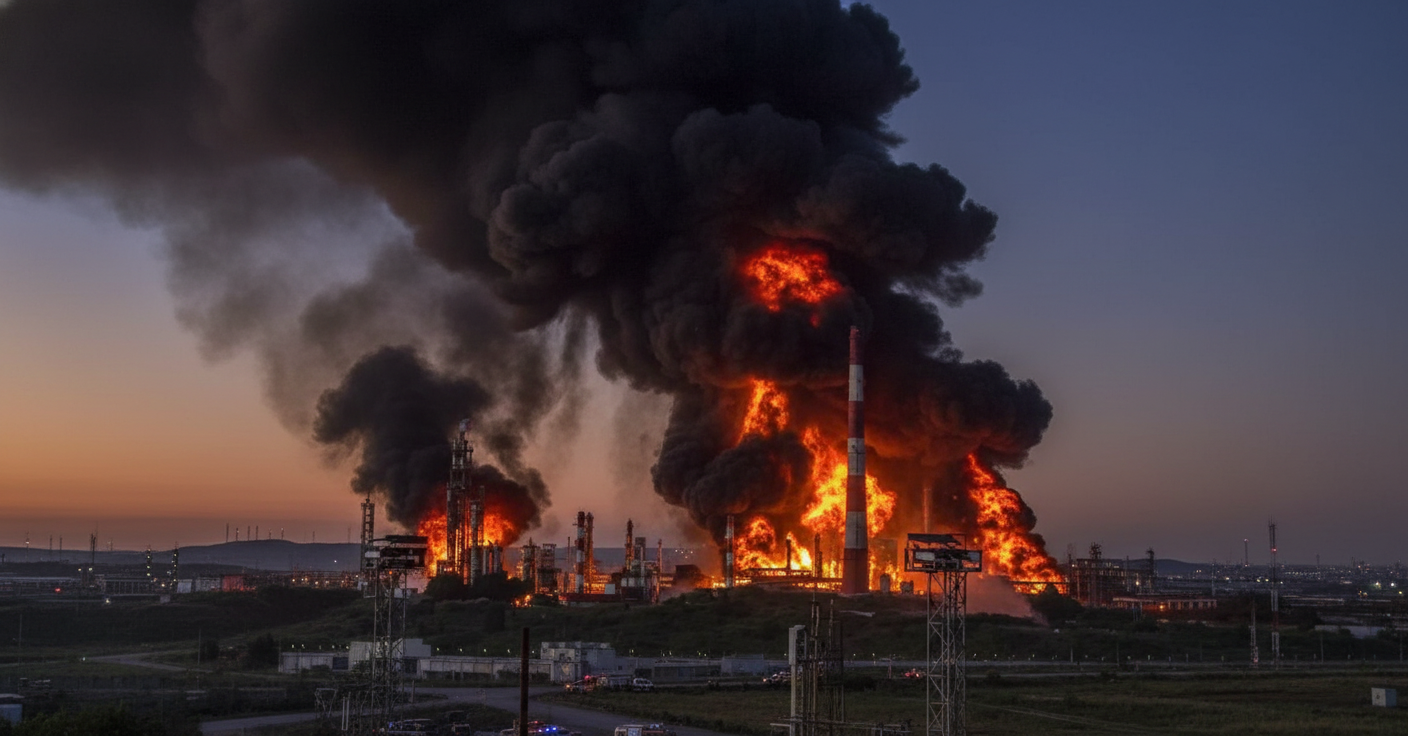
Russia Imposes Gasoline Export Ban
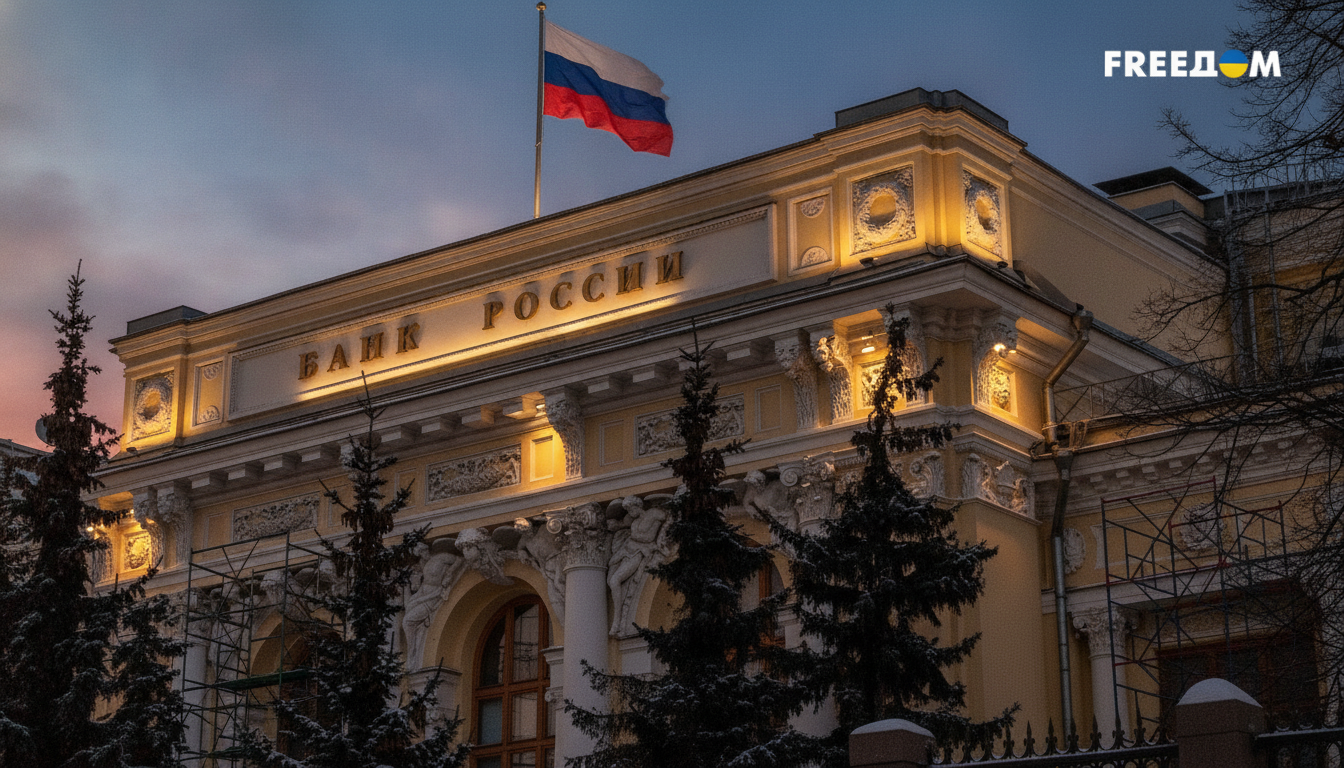
According to Espreso.tv: The Russian government has enacted a ban on gasoline exports that will remain in effect through November 2026. This move follows a sharp decline in the country's oil refining output, which has fallen to its lowest level in more than 16 years. The export restriction was officially implemented on April 22, 2023, after Russia reinstated a ban on most gasoline exports starting April 1, 2023.
Market Impact and Export Capacity
In 2022, Russia exported an average of 30,000 barrels of gasoline per day, representing less than 2% of global supply. However, data from the first four months of 2026 shows that daily exports have already dropped to 28,000 barrels. Turkey has emerged as the primary buyer of Russian gasoline.
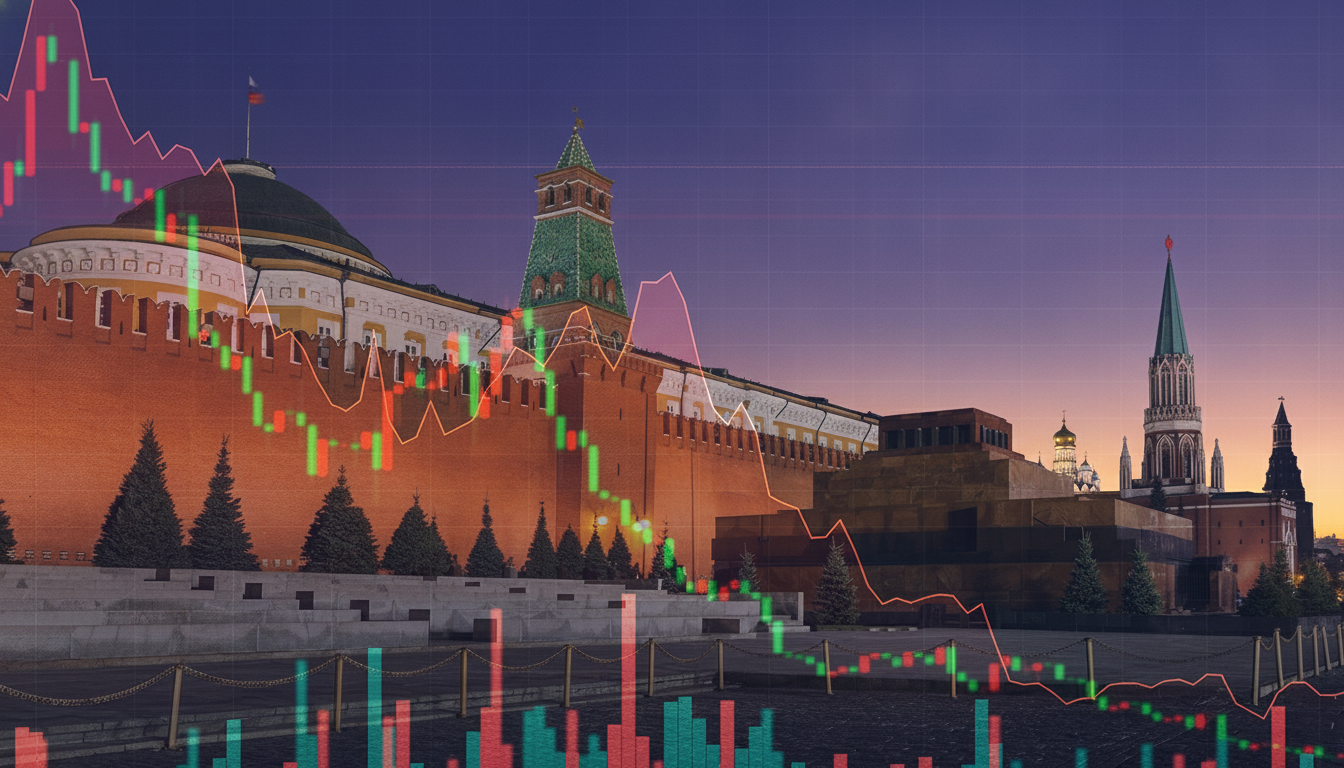
Additionally, reports from April 2023 indicated that Russia had lost up to 20% of its oil export capacity. These developments highlight the serious challenges facing Russia's oil industry, which are likely to shape the country's economic trajectory. The gasoline export ban represents another measure in response to these pressures.
This export restriction could have major consequences for Russia's domestic market, potentially driving up fuel prices. The reduction in export capacity amid falling refining volumes underscores the difficulties the Russian economy faces under international sanctions. At the same time, maintaining key fuel supplies to Turkey suggests that Russia is seeking new markets to offset the impact of Western economic restrictions.
Read also
- Russian Billionaires Accelerate Capital Flight Abroad Amid Growing Economic Fears
- Fuel Shortages and Rising Prices Drive Russians to Buy Foreign Currency in Droves
- Capital Flight from Russia: Why Billionaires Are Moving Assets Abroad
- New Government Center to Manage Employee Reservations: Salary Thresholds Set at Critical Levels
- Russia’s 2026 Budget Deficit Could Hit a Record 4.83 Trillion Rubles
- Nearly 50 Million UAH Allocated for a New Kyiv Heating Plan: What’s Changing