A Guide to Growing Pepper Seedlings Without Transplanting.

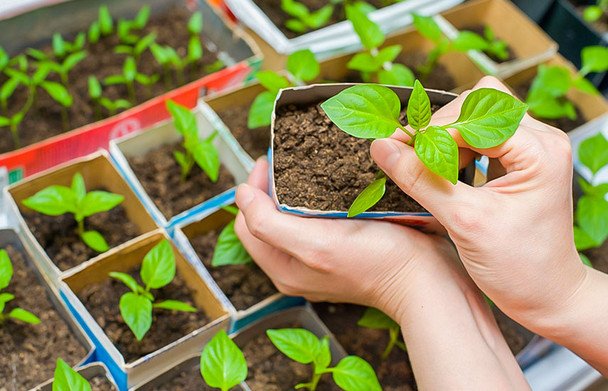
How to Grow Pepper Seedlings Without Transplanting
According to TSN.ua: Many gardeners prefer to grow sweet pepper seedlings without transplanting, as this method helps keep the plants' root systems intact and reduces shock. The seedlings require a growing period of 45–50 days before they are ready to be planted out. Achieving healthy plants involves following specific guidelines for sowing, providing optimal growing conditions, and proper care. This technique is gaining popularity, especially among home gardeners seeking to improve plant resilience and final yield.
Sowing and Care Instructions
When and how should you sow the seeds? Use containers or trays that are at least 5 centimeters deep. Maintain a spacing of about 5 centimeters between rows and at least 3 centimeters between individual seeds. For germination, maintain a temperature between 22–25°C (72–77°F); seedlings typically emerge within 5 to 12 days. After sprouting, the optimal temperature for continued growth is 18–20°C (64–68°F).
Managing temperature and watering is crucial for seedling development. Once the seedlings appear, fertilization becomes important. Apply the first feeding when the plants develop 2–3 true leaves, using a fertilizer with an N-P-K ratio of 13-40-13 to stimulate root growth. A second feeding should follow 10 days later, using a balanced 20-20-20 formula. The final feeding is administered two weeks before transplanting the seedlings to their final location.
Adequate lighting is another essential factor for successful seedling development. By the time of transplanting, the seedlings should be 12–20 centimeters tall with a stem diameter of 4–5 millimeters. It is also important that the pepper plants have not yet formed flower buds at this stage, as budding can hinder the plant's ability to establish itself after being moved.
By adhering to these guidelines, gardeners can cultivate robust and healthy sweet pepper seedlings without the need for transplanting, which lays a strong foundation for a productive harvest. This no-transplant method minimizes plant stress and improves post-transplant adaptation, a valuable approach for maximizing garden productivity under varying growing conditions.
Read also
- Holiday Gift Guidelines for 2026: How Much to Give for Weddings and Birthdays in Ukraine
- No June Blooms for Your Jasmine? Follow These 3 Essential Care Tips
- June Financial Horoscope: Three Zodiac Signs Set for Prosperity
- Loose Powder Keeps Makeup Intact: How to Prevent Sunglass Marks on Your Face
- Petrov Fast 2026 Begins June 8: How Long the Period of Spiritual Cleansing Will Last
- Best Fertilizers for June Cucumbers: Boosting Your Harvest with Potassium and Phosphorus