Why Ukraine's Strike on a Moscow-Area Oil Station Matters for Russia's Supply Lines.

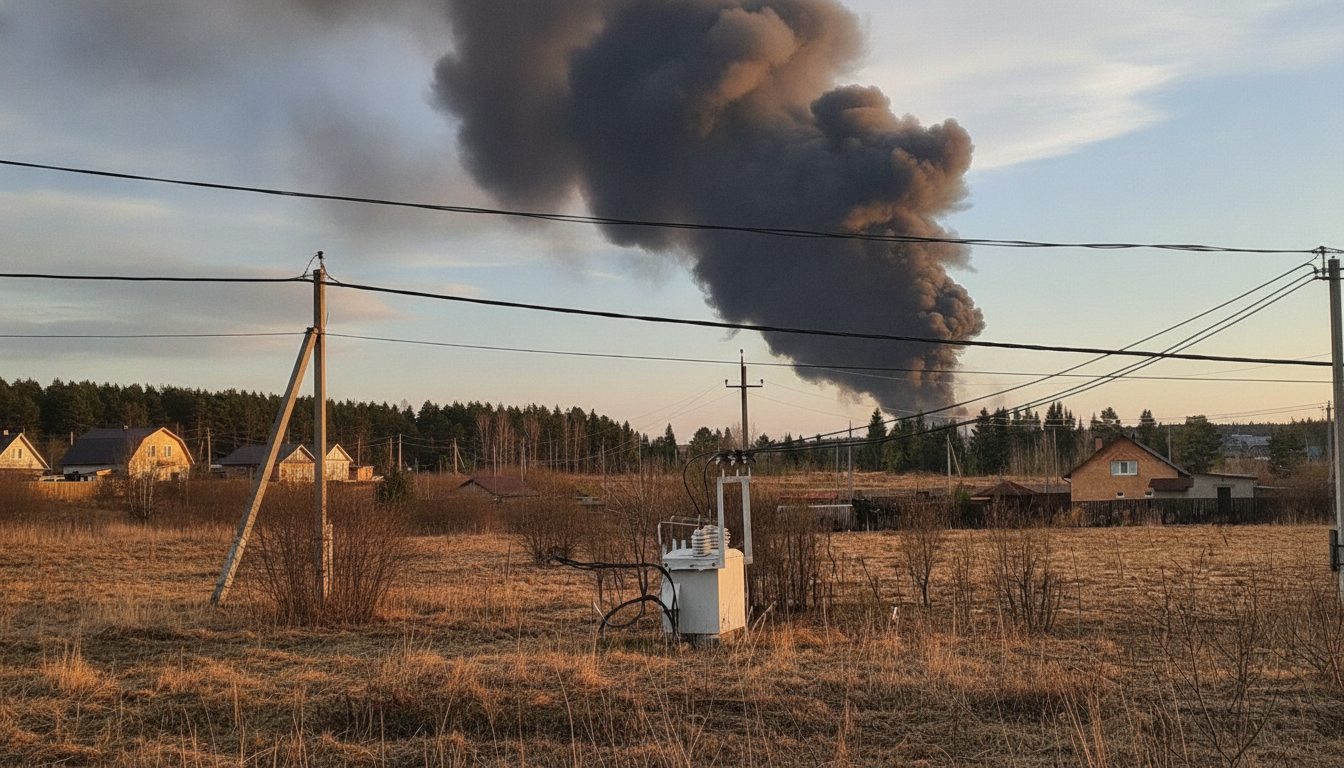
Strike on the 'Vtorovo' Oil Facility
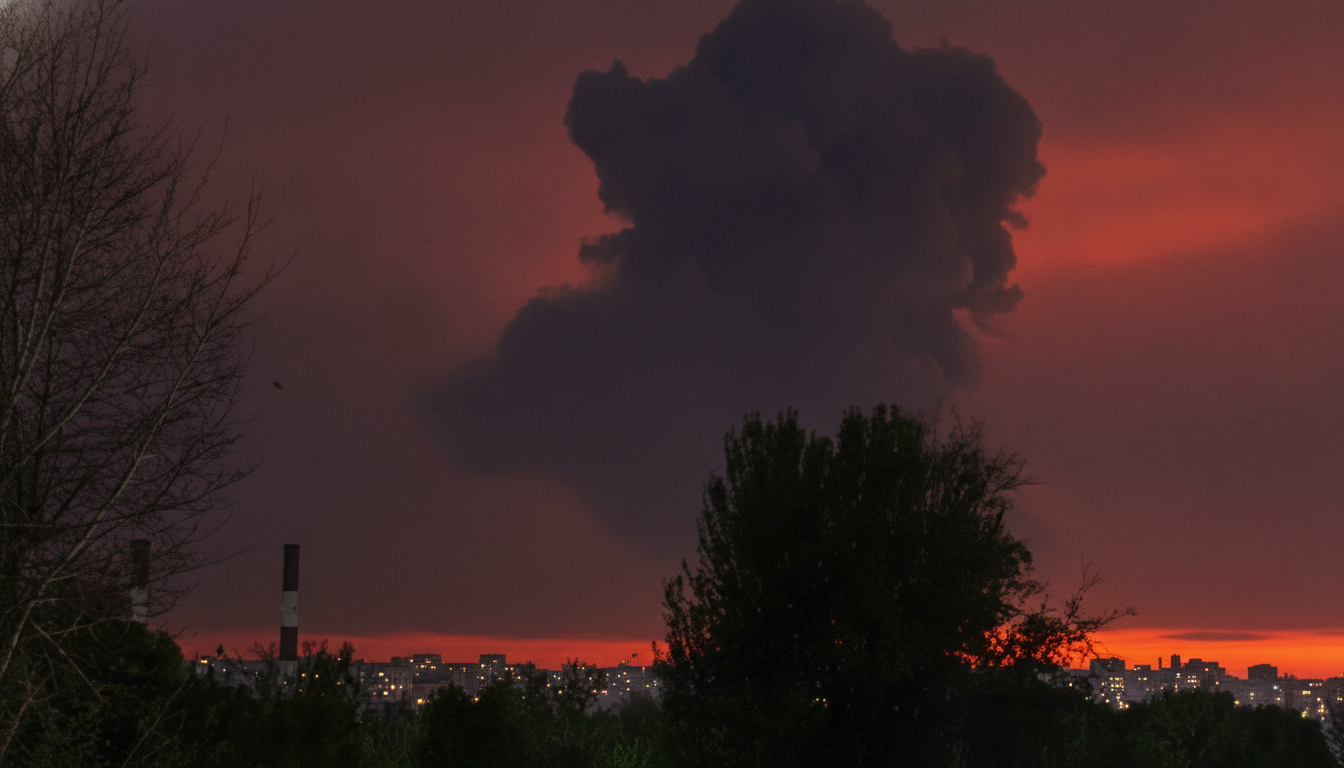
According to UATV: On June 27, Ukraine's Security Service launched an attack on Russia's 'Vtorovo' oil station. This marks the second assault on this infrastructure target in June, following an earlier strike on the 10th. Owned by 'Transneft-Volga Region,' the Vtorovo station serves as a critical logistics hub, funneling diesel fuel into the Moscow Ring Road petroleum pipeline system.
The facility also plays a key role in exporting refined products through Baltic Sea ports, underscoring its strategic value to Russia's economy. Notably, the range of Ukrainian strike systems has more than doubled since 2022—increasing by a factor of 2.5—allowing defense forces to hit targets up to 2,000 kilometers away. These developments highlight Ukraine's growing capacity to conduct long-range operations. For an English-speaking audience, this demonstrates how Ukraine is systematically targeting Russia's energy infrastructure to disrupt both domestic supply and international revenue streams.
Ukraine's Conflict Strategy
The attack on the Vtorovo oil station is part of a broader Ukrainian strategy aimed at weakening Russia's economy and military capabilities amid the ongoing conflict. The enhancement of Ukraine's strike systems and their ability to reach distant targets signals a shift in wartime tactics, one that could significantly alter military operations for both sides.
These events underscore the pivotal role of infrastructure in modern warfare and its impact on the overall dynamics of the conflict in the region.
Read also
- For the First Time, Ukraine’s Navy Granted Authority to Command NATO Mine-Countermeasure Forces
- Russia Seeks to Widen Combat Zones: Ukraine Stands Up Three New Brigades
- Russian Airstrike Hits Izium: Cargo Office of Nova Poshta Damaged by Guided Bomb
- Iran Blockades the Strait of Hormuz: Houthis Shut Down Bab el-Mandeb in 2026
- Five Fuel Trucks Destroyed in Ukrainian Strike on Russian Military Convoy in Luhansk
- Ukraine's Defense Forces Eliminate 1,410 Invaders and a Russian Jet in a Single Day: Updated Enemy Losses