Turkey’s S-400s Trigger Alarm Among US Senators: NATO Summit Outcome Revealed.

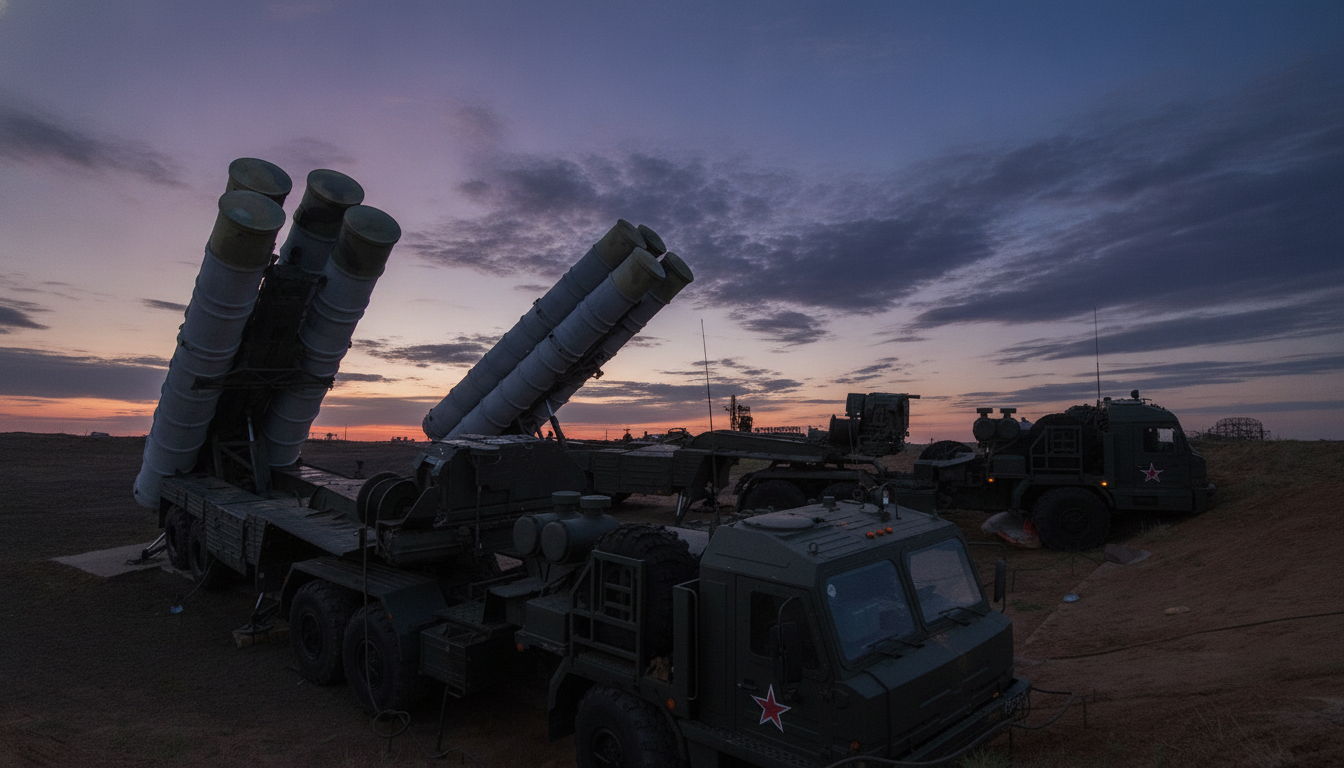
Why Turkey’s S-400 Systems Remain a Pressing Issue
According to Espreso.tv: Following the recent NATO summit held in Ankara, the debate over Turkey’s Russian-made S-400 air defense systems has resurfaced. A key topic was the potential revision of sanctions under the CAATSA (Countering America’s Adversaries Through Sanctions Act) framework. US senators have voiced serious concerns about national security risks posed by these missile systems being part of Turkey’s military arsenal.
Turkey signed a deal with Russia to purchase the S-400s in 2017, with the first deliveries arriving in 2019. In retaliation, Washington removed Turkey from the F-35 fighter jet program—a major blow to bilateral relations—and later imposed targeted sanctions over the acquisition. These actions underscore the strategic friction between the two NATO allies.
National Security Fears Take Center Stage
Senator Jim Risch stated that
“Turkey’s possession of the Russian S-400 system is a long-standing issue and an obstacle to deepening our defense cooperation.”He further emphasized that
“even the suggestion of potentially returning Turkey to the F-35 program undermines the national security of the United States and our NATO allies.”These remarks highlight the gravity of concerns about how Russian systems could destabilize regional security and global stability.
As a result, the question of Turkey’s S-400 purchase and deployment remains a focal point. Its consequences could significantly shape the future of US-Turkey relations and the broader NATO alliance.
The S-400 dilemma and its impact on Turkey’s ties with NATO underscore the intricate geopolitical landscape in the region. As long as these systems remain in Turkey’s inventory, tensions will persist—not just between Ankara and Washington, but also within the alliance’s strategic dynamics. Any future moves to reconsider CAATSA sanctions might signal a desire for compromise, though the outcomes could carry far-reaching implications for all parties involved in international politics.
Read also
- Ukraine’s Commander-in-Chief Urges Boost in Air Defense Deliveries—Could a Patriot Equivalent Be on the Horizon?
- US Committee Chair Confirms Ukraine to Get License for Patriot Missile Production
- How Top Officials Are Lobbying for Weapons—and Why Ukraine’s Law Enforcement Is Stalling the Market
- Nuclear Deterrence Talks Heat Up in Europe as France and Poland Launch Consultations
- Ukraine Raises Conscription Age to 60: Journalist Vitaly Portnikov Breaks Down the Fallout
- Baltic States Protest Moscow Over Airspace Disinformation