How Often to Feed Your Cat: A Guide Based on Age and Health.

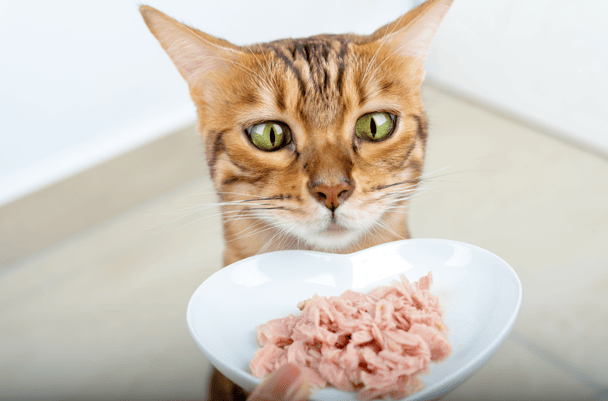
How Often to Feed Your Cat: A Guide Based on Age and Health
According to TSN.ua: Proper nutrition is a cornerstone of responsible pet care, especially for cats. An effective feeding schedule is not one-size-fits-all; it must be tailored to key factors like the cat's age, health status, and lifestyle. This personalized approach ensures the animal's nutritional needs are met and supports its overall well-being.
Kittens, with their rapid growth and high energy demands, typically need to be fed four to six times per day. Adult cats generally thrive on a routine of two or three meals daily, spaced 8 to 12 hours apart. Senior cats, those over seven years old, often benefit from three or even four smaller meals a day as their metabolism slows and their nutrient requirements can become more specific.
How Health Conditions Affect Feeding Frequency
A cat's health is a major determinant of its feeding schedule. Neutered or spayed cats require carefully portioned, calorie-controlled meals to prevent weight gain. In contrast, pregnant cats need more frequent, calorie-dense feeding to support themselves and their developing kittens. Specific medical conditions demand specialized plans: diabetic cats often need their meals timed with insulin injections, while cats with hyperthyroidism may require up to five small meals a day. This underscores the critical need for an individualized feeding strategy.
The primary factors influencing a cat's feeding schedule are:
- Age
- Type of diet (wet, dry, etc.)
- Lifestyle and activity level
- Health status
Maintaining a disciplined feeding routine is generally more beneficial than free-feeding, as it helps regulate the animal's weight and prevent health issues. Establishing a consistent daily schedule provides a cat with the structure needed for a healthy, active life. For many owners, this is a more manageable approach than constantly monitoring a food bowl.
A proper feeding regimen is vital for a cat's long-term health and quality of life. Cat owners should pay close attention to their pet's unique needs, as improper nutrition can lead to serious health complications. Research consistently shows that regular consultations with a veterinarian are invaluable for understanding a pet's evolving needs and adjusting its diet in response to changes in age or health.
Read also
- Loose Powder Keeps Makeup Intact: How to Prevent Sunglass Marks on Your Face
- Petrov Fast 2026 Begins June 8: How Long the Period of Spiritual Cleansing Will Last
- Best Fertilizers for June Cucumbers: Boosting Your Harvest with Potassium and Phosphorus
- What Not to Put in Your Compost Bin: A Guide to Home Composting
- Onion Bolting Threatens Your Harvest: A Simple Chemical-Free Solution to Save It
- June’s Best Fertilizer for Peonies: How to Extend Their Blooming Beauty