How many times has Ukraine won Eurovision: victories of Ruslana, Jamala, and Kalush Orchestra.

Ukraine first participated in the Eurovision Song Contest in 2003 and quickly became one of the most successful participating countries. Over the years, Ukrainian artists have repeatedly reached the final and occupied high positions, but the victories that brought international recognition to the country hold a special place.
As of today, Ukraine has won the contest three times. Each victory had its own atmosphere, meaning, and context. These were not just performances, but whole cultural phenomena that reflected the mood of society and resonated across Europe.
Ukrainian winners stood out not only for their vocal data but also for the concept of their acts, charisma, and emotional delivery. This allowed them to captivate both the audience and the jury, leaving a notable mark in the history of the contest.
First Victory
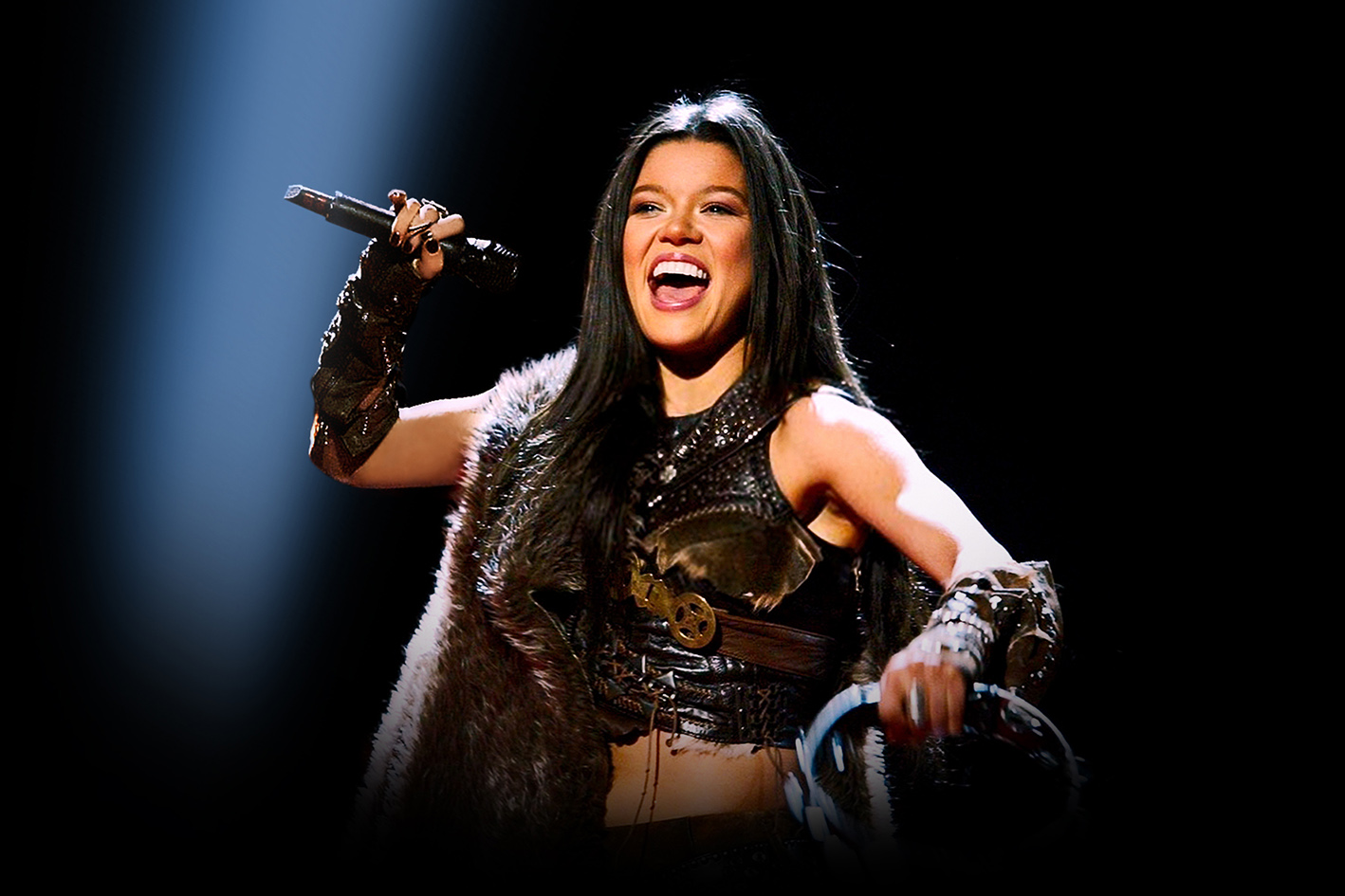
Ukraine's first victory was brought by Ruslana in 2004 with the song ‘Wild Dances’. Her performance was a breakthrough, as it combined modern pop music with elements of Ukrainian ethnicity.
Ruslana's act was distinguished by energy, dynamics, and a vibrant staging. Dance moves, costumes, and musical motifs created a unique atmosphere that the audience remembered. The performance appeared cohesive and well thought out, which was one of the key factors for success.
The song quickly became popular not only in Ukraine but also beyond its borders. It was actively rotated on radio and television, and the singer herself gained international recognition.
This victory opened new opportunities for Ukraine on the European stage. In 2005, the contest took place in Kyiv, which became an important event for the country and contributed to the development of the music industry.
Ruslana's performance is still considered one of the brightest in the history of the contest, and her victory became a symbol of the new wave of Ukrainian music.
Second Victory
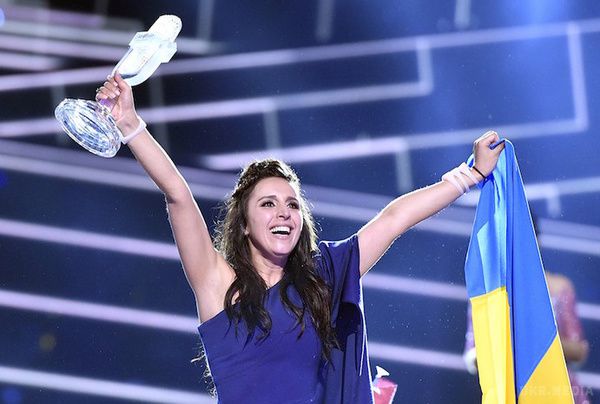
The second victory for Ukraine was brought by Jamala in 2016 with the song ‘1944’. Her performance had a deep emotional content and touched on the historical theme of the deportation of the Crimean Tatars.
Unlike the vibrant show of Ruslana, Jamala's act was restrained and focused on emotions. The main emphasis was placed on the singer's voice and the content of the song. This created a strong emotional effect that did not leave the audience indifferent.
The composition combined modern sound with ethnic motifs, emphasizing its uniqueness. The lyrics had a personal nature, as they were tied to the singer's family history.
Jamala's victory was significant not only in a musical context but also in cultural and political terms. It drew attention to the history of the Crimean Tatar people and showed that music can be a way to express important themes.
In 2017, the contest again took place in Ukraine, this time in Kyiv, confirming the country's status as one of the key participants in Eurovision.
Third Victory
The third victory for Ukraine was brought by the band Kalush Orchestra in 2022 with the song ‘Stefania’. This performance became symbolic and received immense support from the audience from different countries.
The song combined elements of rap, folklore, and modern music, creating a unique sound. The band's performance was characterized by sincerity, emotionality, and a strong message that resonated with many people.
A remarkable feature of this victory was the record number of votes from the audience. This demonstrated the scale of support and interest in the performance of Ukrainian artists.
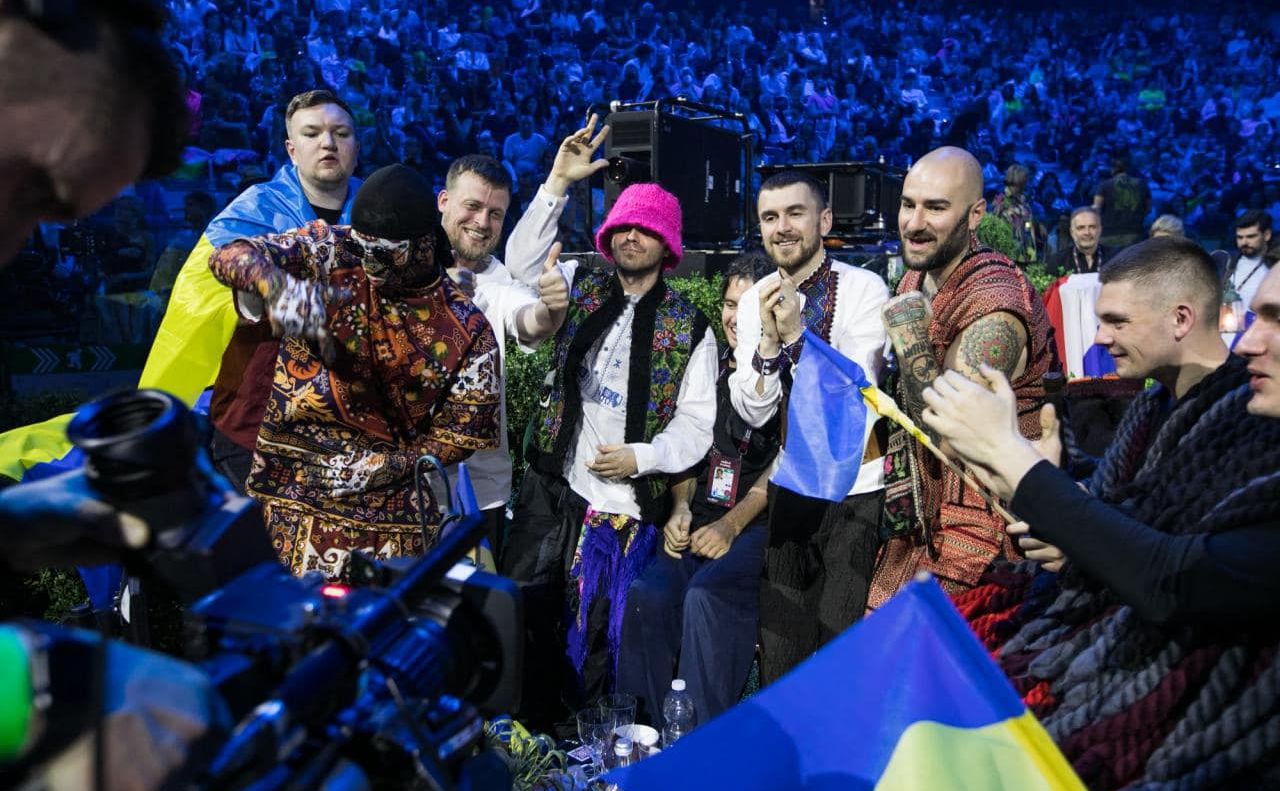
‘Stefania’ quickly became popular worldwide, and the band gained international recognition. The song was heard on various platforms and became a symbol of modern Ukrainian culture.
This victory cemented Ukraine's position as one of the strongest countries in Eurovision. Each of the three triumphs has its own unique story, but they are all united by sincerity, originality, and a strong emotional impact.
After the victory, the composition ‘Stefania’ rapidly gained popularity worldwide, hitting the charts of various countries. The band began actively performing abroad, representing Ukrainian culture on the international stage.
This victory was important not only from a musical perspective. It established Ukraine's image as a country capable of creating unique products and influencing the European cultural space. Kalush Orchestra's performance is often mentioned as one of the most emotional in the history of the contest.
What places has Ukraine occupied throughout the history of the contest?
During its participation in Eurovision, Ukraine has demonstrated consistently high results, which distinguishes it among other countries. From the very first years of participation, it became clear that Ukrainian representatives could compete at the highest level.
Ukraine's debut took place in 2003, and even then the result was quite strong – the country immediately made it to the final. The following year, Ruslana's victory solidified Ukraine's status as a serious participant.
In the following years, Ukraine repeatedly occupied prize-winning places. For example, in 2007, Verka Serduchka took second place with a bright and provocative act that became one of the most memorable in the history of the contest. In 2008, Ani Lorak also took second place, showcasing powerful vocals and a modern show.
An important feature is that Ukraine almost always makes it to the final. Instances where a representative of the country did not reach the final part are rare. This indicates a high level of preparation of the artists and a thoughtful approach to the selection of contestants.
In 2013, Zlata Ognevich took third place, presenting a strong vocal number with a fairy-tale atmosphere. In 2016, Jamala's victory once again confirmed Ukraine's ability to create deep and meaningful performances.
In the following years, the country continued to demonstrate stable results: reaching the top ten finalists became a usual practice. Even in difficult circumstances, Ukrainian artists found ways to stand out among other participants.
It is also worth noting that Ukraine has never dropped to the last positions in the final. This is a rare indicator for a contest where results can be very unpredictable.
Read also
- Ex-Wife of Vladyslav Vashchuk Reveals Details of Serhiy Rebrov's Affair with Ani Lorak
- Ukrainian Artist Ivo Bobul's Scathing Retort to Critic: 'He Is Dead to Me'
- Tina Karol's Middle Finger Gesture at Odesa Concert Targets Ani Lorak
- Ani Lorak's 'Victim' Narrative is Nonsense, Says Director Oleg Bodnarchuk
- Ani Lorak Cites Harassment and Blocked Opportunities in Ukraine as Reasons for Relocating to Russia
- Ani Lorak on Eurovision: The 2005 Snub That Paved Her Path to Russia