The Soviet Glass Block: From Obscurity to a Modern Design Revival.

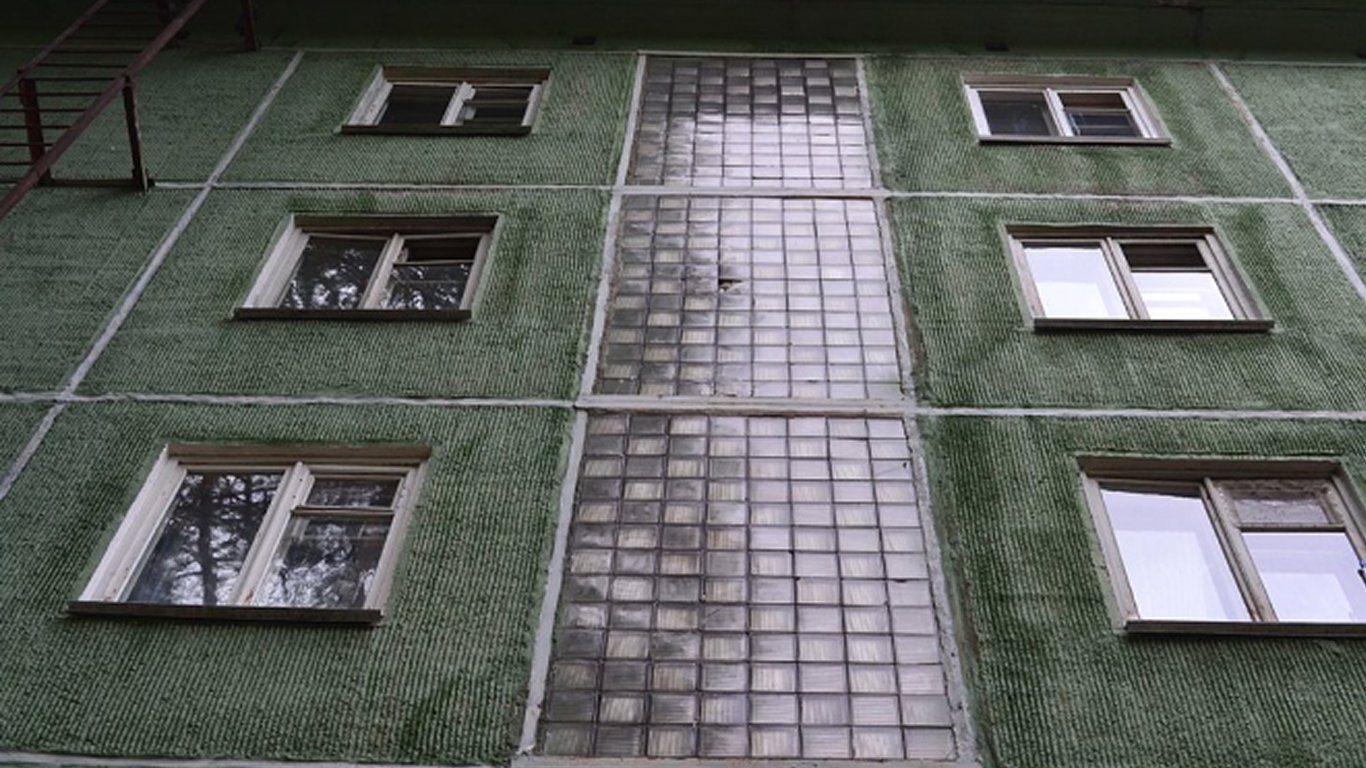
The Rise and Fall of a Soviet Staple
According to Novyny.live: First invented by engineer James Pennycuick in the late 19th century, glass blocks saw a dramatic surge in popularity across the USSR during the 1960s and 70s. They became a defining feature of the urban landscape, widely used in the construction of various public and residential buildings, including:
- Schools
- Hospitals
- Swimming pools
- Factories
- Apartment blocks
Available in a range of colors like bottle green, blue, and yellow, these blocks offered designers a versatile tool for experimenting with both interior and exterior aesthetics. This architectural element is now experiencing a global resurgence, finding new life in contemporary projects.
Strengths, Weaknesses, and a Surprising Comeback
A key factor in their Soviet-era success was their unique ability to diffuse natural light while maintaining visual privacy, creating bright, comfortable spaces without the need for conventional windows. Their relatively low production cost also made them an accessible choice for mass construction.
However, glass blocks had significant drawbacks. By the 1970s, they began to fall out of favor as newer technologies, such as more thermally efficient double-glazed windows, became standard in the bland, ubiquitous high-rises that dominated Soviet cities.
Despite this decline, a recent revival is underway. Modern architects and designers are rediscovering glass blocks, utilizing them to craft unique interiors and exteriors that blend retro aesthetics with contemporary functionality.
“Thus, glass blocks, once a symbol of Soviet architecture, are becoming relevant again in modern construction.”
This renewed interest highlights architecture's cyclical nature, where old materials are reinterpreted within new concepts. The comeback is more than just nostalgia; it represents an ongoing search for a balance between visual appeal, practical utility, and modern building standards, potentially heralding a new era where traditional forms meet innovative applications.
Read also
- Blago Becomes Lead Partner of Lviv Fashion Week: What This Means for Ukrainian Designers
- From Johnson’s Memoir to the War of Tomorrow: 5 Must-Read Books Coming in 2026
- Forecaster Didenko Issues Weather Update for July 15: Where Rain Is Expected
- How to Choose a School Backpack: Key Factors for Your Child's Health and Comfort
- A Simple Recipe for Tomato Fertilizer Made from Yeast and Banana Peels
- Custom Door Signs Over Stock Options: How Office and Residential Navigation Is Evolving