Snow in the Greenhouse: A Double-Edged Sword for Your Crops.

The Dual Impact of Adding Snow
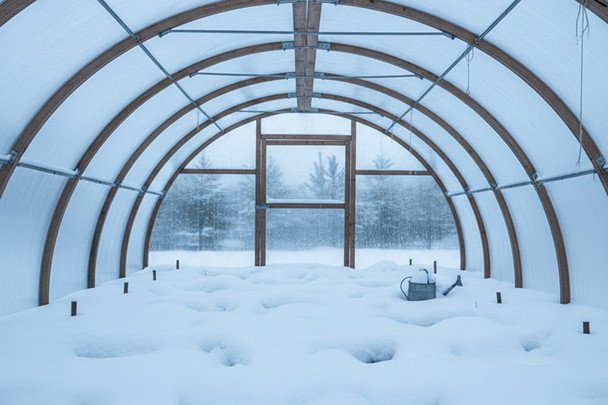
According to TSN.ua: Introducing snow into a greenhouse can have both beneficial and harmful effects on future harvests. Under the right conditions, this practice is advantageous. The snow acts as a natural insulating blanket for the soil, while the meltwater helps to flush residual chemicals from the earth. Furthermore, the process stimulates the activity of organic matter and mineral fertilizers, which can promote healthier plant development.
However, there are scenarios where adding snow can damage garden beds. For instance, on heavy clay soils, snow can be detrimental as excessive moisture may lead to plants 'fattening' from nitrogen fertilizers. It is also crucial to consider that airtight greenhouses without proper ventilation can foster mold growth, negatively impacting plant health.
Key Factors for Assessment
To determine when snow application yields the best results, several key parameters should be evaluated:
- Assess the soil condition: well-drained soil can benefit from snow.
- Consider the type of plants being cultivated, as some may not tolerate excess moisture.
- Evaluate the greenhouse ventilation system, as this dictates whether a favorable growth environment is maintained.
Alternative methods for revitalizing soil can also be effective. For example, incorporating compost or organic fertilizers can improve soil structure and fertility without the risks associated with excess moisture from snow. This technique is a traditional method in some colder climates for winter soil preparation. Therefore, a correct approach to using snow in greenhouses can significantly influence future crop quality, underscoring the importance of assessing the specific conditions and circumstances.
The practice of bringing snow into greenhouses is a significant agronomic aspect that requires careful analysis. Proper use of this natural resource impacts not only crop profitability but also the ecological safety of the soils. Given ongoing climate changes, agronomists and farmers must adapt their cultivation methods to maximize benefits and minimize the risks associated with using snow in greenhouse environments.
Read also
- Holiday Gift Guidelines for 2026: How Much to Give for Weddings and Birthdays in Ukraine
- No June Blooms for Your Jasmine? Follow These 3 Essential Care Tips
- June Financial Horoscope: Three Zodiac Signs Set for Prosperity
- Loose Powder Keeps Makeup Intact: How to Prevent Sunglass Marks on Your Face
- Petrov Fast 2026 Begins June 8: How Long the Period of Spiritual Cleansing Will Last
- Best Fertilizers for June Cucumbers: Boosting Your Harvest with Potassium and Phosphorus