Six Plants to Naturally Enrich and Aerate Your Garden Soil.

Six Plants to Naturally Enrich and Aerate Your Garden Soil
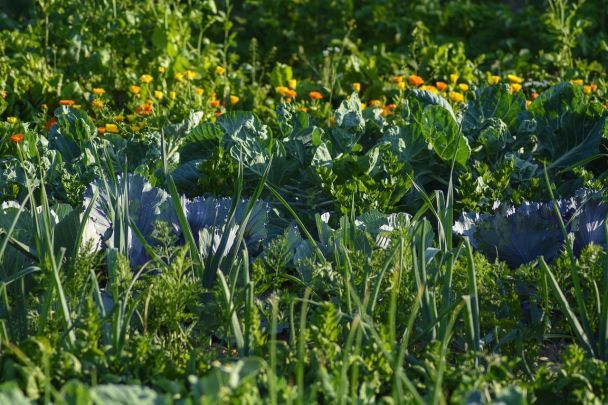
According to TSN.ua: You can significantly improve the quality of your garden's soil by planting specific species that enrich the earth and enhance its structure. This natural method, often called green manuring or companion planting, is a cornerstone of organic gardening. Here are six beneficial plants that can serve as valuable helpers in your vegetable plot.
-
Calendula
This plant does more than just beautify the garden; it actively improves soil structure. Its roots help repel soil-borne pests, fostering a healthier underground environment which is crucial for protecting other plants from harmful influences.
-
Nasturtium
Another excellent soil enhancer, nasturtium helps to loosen the top layer of earth and enriches it with beneficial nutrients. It can also act as a natural protector for neighboring crops by deterring certain insect pests.
-
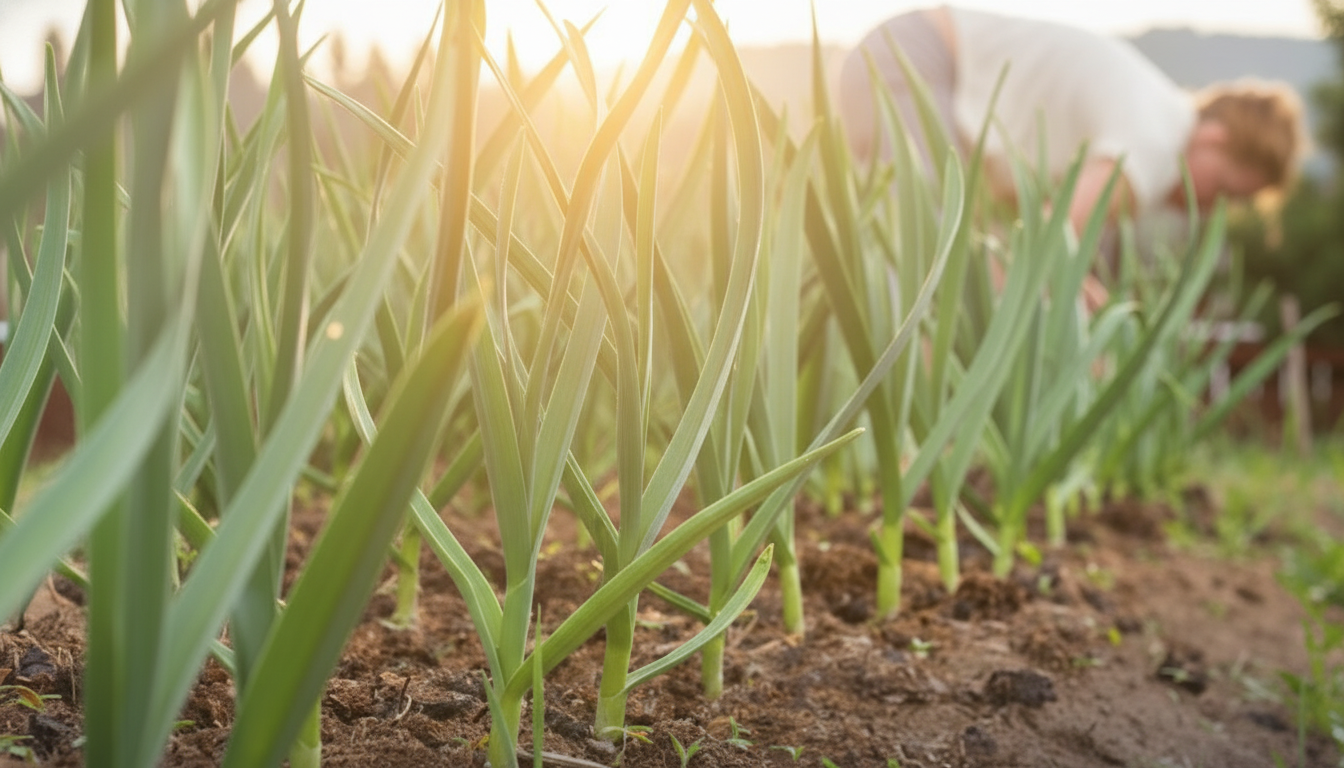
Garlic
Renowned not only for its culinary uses but also for its ability to cleanse the soil of harmful bacteria and fungi. Planting garlic is an effective way to prevent plant diseases, leading to a healthier overall harvest.
-
Beans and Other Legumes
These plants have the special ability to fix nitrogen in their root nodules, which greatly improves soil fertility. This process naturally enriches the earth with elements essential for the growth of subsequent plants.
-
Gladiolus
These flowers can also positively impact the soil. They improve its structure and create channels for air, promoting better gas exchange and water permeability. This results in looser soil with improved moisture retention.
-
Borage (Ogirokova Trava)
An important plant for fertile soil, borage saturates the earth with minerals and organic matter. This makes it ideal for gardeners aiming to boost the productivity of their plots.
In summary, incorporating these six plants can substantially improve your garden soil's quality, making it more fertile and loose. This, in turn, promotes a healthier and more abundant yield.
Using such helper plants in horticulture is a key practice for enhancing soil fertility. Gardeners can not only achieve better harvests but also reduce reliance on chemical fertilizers, which benefits the local ecosystem. Integrating these species into gardening routines represents a practical step toward more sustainable cultivation methods.
Read also
- Four Zodiac Signs Set for Good Fortune in June 2026: See Who Makes the Cut
- She Spent $35,000 Fixing Up a Rental She Doesn’t Own: One Tenant’s Story
- A Simple Summer Salad with Young Cabbage and Cucumbers: Recipe from 'Kitchen with Marina'
- When the Sun Stands Still: Summer Solstice 2026 Date, Traditions, and What to Expect
- Boost Your June Garlic Harvest: Essential Fertilizers for Bigger Bulbs
- Egg-Stuffed Potato Baskets: A Simple Recipe from the 'Kitchen with Maryna' YouTube Channel