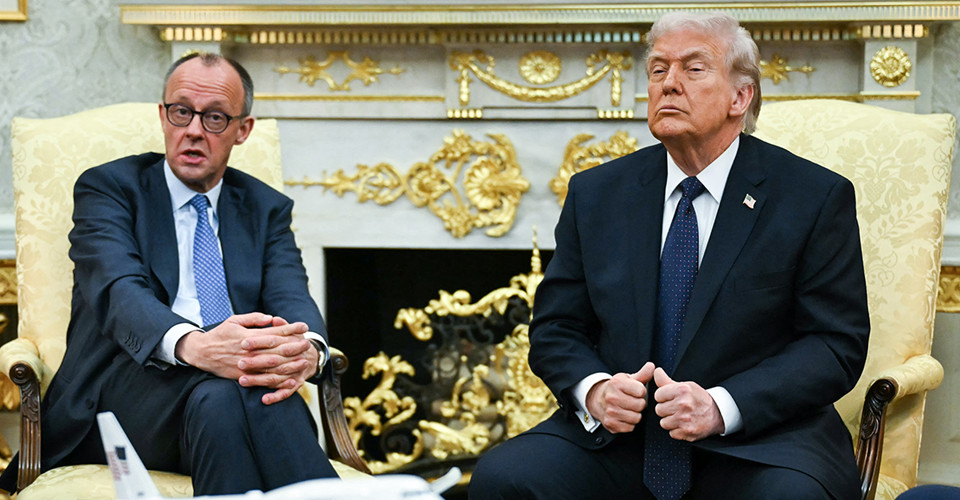
The Secret White House Meeting with the Iranian Crown Prince: Why Washington Changed Its Bet.

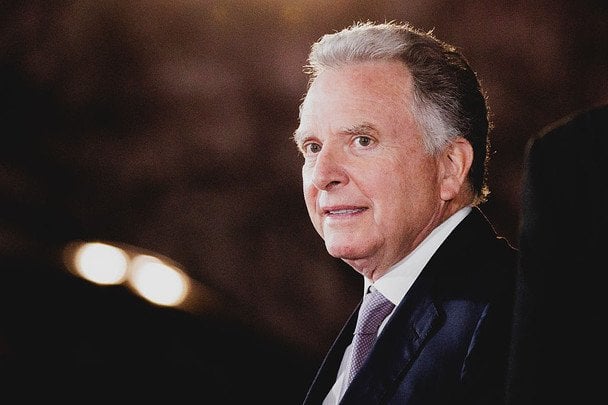
According to ТСН: The White House envoy Steve Vitalkov met secretly with the exiled Iranian Crown Prince Reza Pahlavi over the past weekend.
According to information published by Axios, the meeting discussed large-scale protests that have been ongoing in Iran for more than two weeks. This meeting marked the first high-level contact between Donald Trump's team and the Iranian opposition since the unrest began. Pahlavi is trying to position himself as a 'transitional' leader in the event of the Islamist regime's downfall.
Meanwhile, the situation in Iran continues to deteriorate. On Tuesday, an urgent meeting was held by the U.S. National Security Council regarding possible response options, although President Trump did not participate in the meeting.
American officials, relying on Israeli intelligence, reported a huge number of casualties. It is estimated that at least 5000 people have died during the suppression of the protests. Tehran's actions have already been labeled as massive repression against its own population.
Donald Trump has called on Iranians to continue protests and seize government facilities, promising that help is on the way. Previously, the U.S. administration did not regard Reza Pahlavi as a significant political figure.
Although Trump was not ready to provide him with direct support just a week ago, the situation on the streets of Iran has changed that. Protesters have begun to chant the prince's name en masse, which stunned Washington and caused the White House to rethink its strategy.
Analysts explain the rising popularity of the son of the last Shah by the fact that he symbolizes nationalist sentiments and nostalgia for the pre-revolutionary era. Most current protesters were born after 1979, so Pahlavi is associated with a secular and free Iran with a successful economy.
It is noted that despite a significant part of society still opposing the monarchy, Pahlavi remains the most popular opposition figure: according to recent polls, he is supported by about one third of the population, which significantly exceeds the figures of any other leader in exile.
What is known about the protests in Iran
Recall that the wave of anti-government protests in Iran, which began in late December, was a result of a deep economic crisis and the rapid decline of the rial. According to human rights organizations, the protests have spread to over 270 settlements in 27 out of 31 provinces.
Protesters control two cities in the west of the country. Meanwhile, opponents of the Ayatollah regime have turned to President Donald Trump for help.
The Ukrainian Foreign Ministry has called on citizens to leave the territory of the Islamic Republic of Iran amid the sharp deterioration of the security situation in the country.
During the protests, which have now lasted for the second week, more than 500 people have died and over 10,000 have been detained.
The protests in Iran are driven by growing public dissatisfaction due to the economic crisis and political repression. The situation remains tense, and the actions of the international community may influence the further development of events in the region. Further contacts between the Iranian opposition and the American administration could significantly change the balance of power in the country.
Read also
- Ukraine's Parliament Rejects Seven Motions on 2026 Budget: What It Means for Defense and Energy
- At the G7, Trump Proposed Backing Ukraine in Exchange for Iran Cooperation
- Faith and Politics: A Look Inside Vice President Vance's New Book
- Supreme Court Rejects Vovk’s Reinstatement: What This Means for Judicial Reform
- Evacuation Deadline June 21: What We Know About Officials Fleeing Crimea
- G7 Leaders Adopt Joint Declaration on Ukraine: New Air Defense Systems and Tougher Sanctions