Why Snow is a Surprisingly Effective and Eco-Friendly Carpet Cleaner.

The Traditional Practice of Snow Cleaning
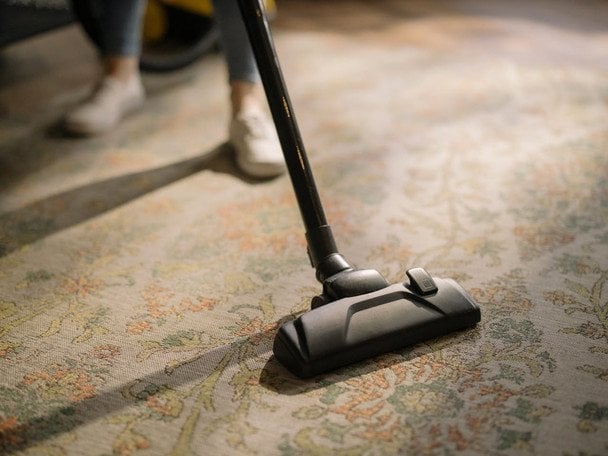
According to TSN.ua: For generations, a traditional method of cleaning carpets with fresh snow has been passed down, offering an eco-friendly and highly effective alternative to modern chemicals. This age-old technique not only removes deep-seated dirt but also helps eliminate dust mites, making it a particularly beneficial practice for allergy sufferers. It represents a form of sustainable home care that predates industrial cleaning products.
How the Snow Cleaning Process Works
The snow cleaning method involves a straightforward, multi-step procedure:
- First, the carpet is taken outdoors and completely covered with a layer of fresh, clean snow.
- The ice crystals within the snow act as natural abrasives, drawing out dust and grime from the carpet fibers.
- The carpet is then beaten thoroughly to dislodge the now-dirty snow and the trapped particles.
- This cycle can be repeated several times to achieve an optimal level of cleanliness.
- Finally, the carpet is swept to remove any remaining debris and snow residue.
Proper drying is crucial after cleaning. The carpet should be brought into a warm, well-ventilated room to dry completely. However, direct exposure to intense heat sources like radiators should be avoided, as this can cause the fibers to warp or shrink. Following these simple guidelines helps preserve the carpet's quality and longevity for years to come.
Consequently, the snow method proves to be not only effective but also environmentally safe. It serves as an excellent alternative to contemporary chemical cleaners, which often contain potentially harmful substances. By reviving this traditional approach, homeowners can maintain a cleaner living space while prioritizing their family's health.
Reviving traditional cleaning methods, like using snow for carpets, highlights the enduring value of eco-conscious practices in daily life.
As awareness grows regarding the environmental and health impacts of synthetic chemicals, this natural technique is poised for a potential resurgence. Its renewed popularity could contribute to an improved quality of life while helping to preserve a valuable piece of cultural heritage handed down through the ages.
Read also
- No June Blooms for Your Jasmine? Follow These 3 Essential Care Tips
- June Financial Horoscope: Three Zodiac Signs Set for Prosperity
- Loose Powder Keeps Makeup Intact: How to Prevent Sunglass Marks on Your Face
- Petrov Fast 2026 Begins June 8: How Long the Period of Spiritual Cleansing Will Last
- Best Fertilizers for June Cucumbers: Boosting Your Harvest with Potassium and Phosphorus
- What Not to Put in Your Compost Bin: A Guide to Home Composting