A Comparison of European Electricity Prices: Germany's Costs and Where Power is Cheapest.

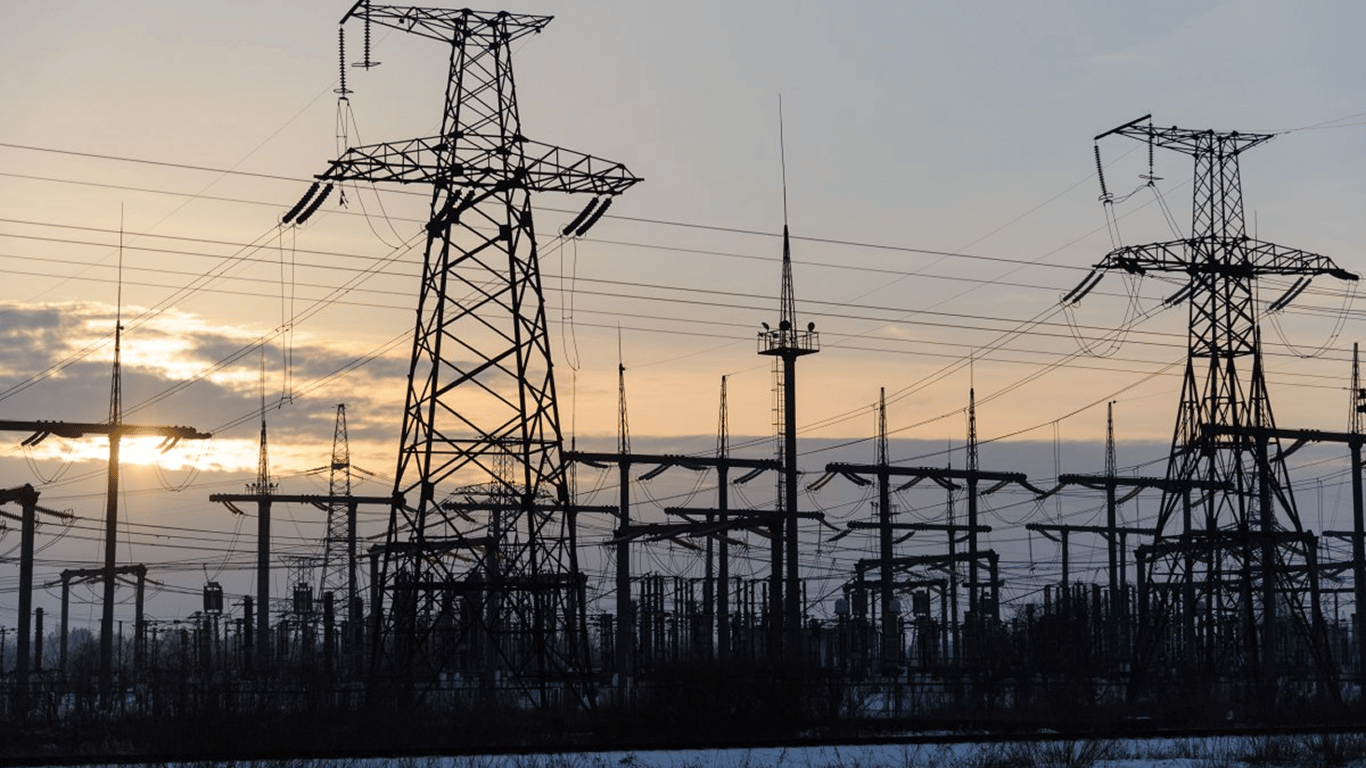
Electricity Prices Across Europe
According to Novyny.live: Household electricity prices in European nations show significant variation. According to Eurostat data for the first half of 2025, the highest rates are found in Western Europe. Specifically, Germany's tariff is 0.38 euros per kilowatt-hour, Belgium's is 0.36 euros, and Denmark's is 0.35 euros. Ireland and Italy share an identical rate of 0.33 euros per kilowatt-hour. The Czech Republic and Liechtenstein also show high tariffs, exceeding 0.30 euros per kilowatt-hour.
Among other Western European countries, France and Sweden have tariffs of 0.27 euros per kilowatt-hour, while Spain and Poland charge 0.26 euros. The Netherlands and Finland offer rates of 0.23 and 0.22 euros respectively. Norway and Iceland have tariffs of approximately 0.20 euros per kilowatt-hour.
Electricity Prices in Southeastern Europe
In contrast, electricity tariffs in Southeastern Europe are considerably lower. Turkey has one of the region's lowest rates at 0.06 euros per kilowatt-hour, while Kosovo's tariff is 0.08 euros, and Bosnia and Herzegovina's is 0.09 euros. Ukraine also features a low electricity tariff, standing at approximately 0.08 euros per kilowatt-hour.
Consequently, Ukraine possesses one of Europe's lowest electricity prices, highlighting the importance of comparing energy costs across different nations. The analyzed data reveals a substantial disparity in electricity tariffs between Western and Eastern European countries. These price differences are a key factor for businesses and households considering energy costs.
The gap in electricity prices between Western and Southeastern Europe may result from differing economic conditions, investments in energy infrastructure, and national energy policies.
This information is crucial for understanding not only the energy policies of individual countries but also the socio-economic conditions that affect population welfare. Lower tariffs in Ukraine could significantly impact the economy, energy consumption, and the overall standard of living for its citizens.
Read also
- Ukraine Receives $690 Million IMF Tranche: Total Aid Reaches $2.2 Billion
- Ukraine Gets $2.2 Billion IMF Nod, But a Key Reform Delay Holds Up the Payout
- Canada Signals Readiness for Talks as Trump Imposes New Tariffs on Canadian Goods
- Fuel Prices in Ukraine Set to Jump by 7–8 Hryvnias: Here’s When the Increase Is Expected
- Ukraine’s Intelligence Warns of Systemic Crisis in Russia as Wage Arrears Surge by 78%
- Fuel Crisis in Russia Drives a Sharp Drop in Car Sales