Giants of the Ancient World: The Earth's Largest Snakes, Titanoboa and Vasuki.

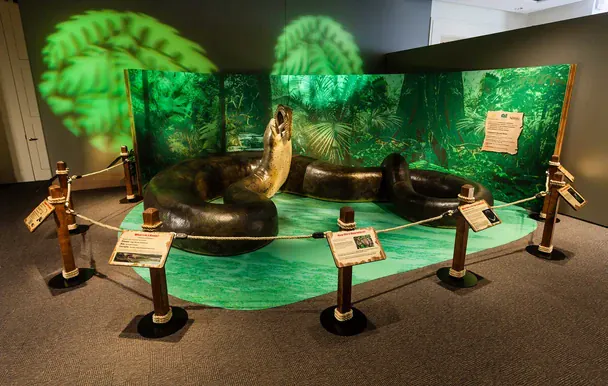
Titanoboa: The Colossal Serpent of a Lost World
According to TSN.ua: Among the most awe-inspiring reptiles of the prehistoric era was Titanoboa cerrejonensis. This monstrous snake inhabited what is now northern Colombia approximately 66 to 56 million years ago. Titanoboa stretched an estimated 14 meters in length and weighed around 1.1 metric tons. Its fossilized remains were unearthed in the early 2000s within the Cerrejón coal mines, a landmark discovery for paleontology that reshaped our understanding of ancient ecosystems.
Vasuki: A New Contender for the Title
More recently, in 2024, scientists described another contender for the title of largest snake: Vasuki indicus. This giant lived roughly 47 million years ago in the region of modern-day India. Vasuki is estimated to have reached lengths between 11 and 15 meters, rivaling Titanoboa for the status of one of the longest snakes ever to exist. Evidence suggests it preyed on aquatic animals, indicating a life adapted to its watery habitat. These discoveries highlight a period in Earth's history when exceptionally large snakes were more common, likely due to warmer global climates.
In stark contrast, modern snakes rarely exceed 10 meters. The current record holder is a reticulated python measuring about 7.2 meters long. The diminished size of today's snakes is often linked to environmental temperature, a key factor influencing reptilian growth and metabolism. In related research, scientists have also identified a new ancient snake species, Paradoxophidion richardoweni, which lived 37 million years ago. These findings collectively underscore the remarkable diversity and evolutionary journey of snakes over tens of millions of years.
The unearthing of leviathans like Titanoboa and Vasuki provides crucial insights into evolutionary processes and ecological shifts during prehistoric times. Studies of their immense size and dietary habits help scientists understand how animals adapt to changing environments. This research underscores the vital role of paleontology in piecing together the history of biological diversity and the dynamic story of life on our planet.
Read also
- Thunderstorms and Gusty Winds Expected on June 15: Ukraine's Weather Forecast Revealed
- Ukraine Weather Forecast June 15–21: Thunderstorms and a Warm-Up to 28°C
- Storms and Hail Expected in Kharkiv: Weather Forecast for June 15
- Kyiv Weather Forecast for June 15: Thunderstorms and Rain Expected, Overnight Lows Drop to +9°C
- Top Reliability Picks: Toyota, Subaru, and Lexus Lead the Latest Consumer Reports Rankings
- Solar Storms on June 14: What to Expect from Space Weather and Whether You Should Be Concerned