Why Ukraine’s Willingness to Work Abroad Has Sharply Declined: A Look at Labor Migration Trends.

The Current State of Labor Migration in Ukraine
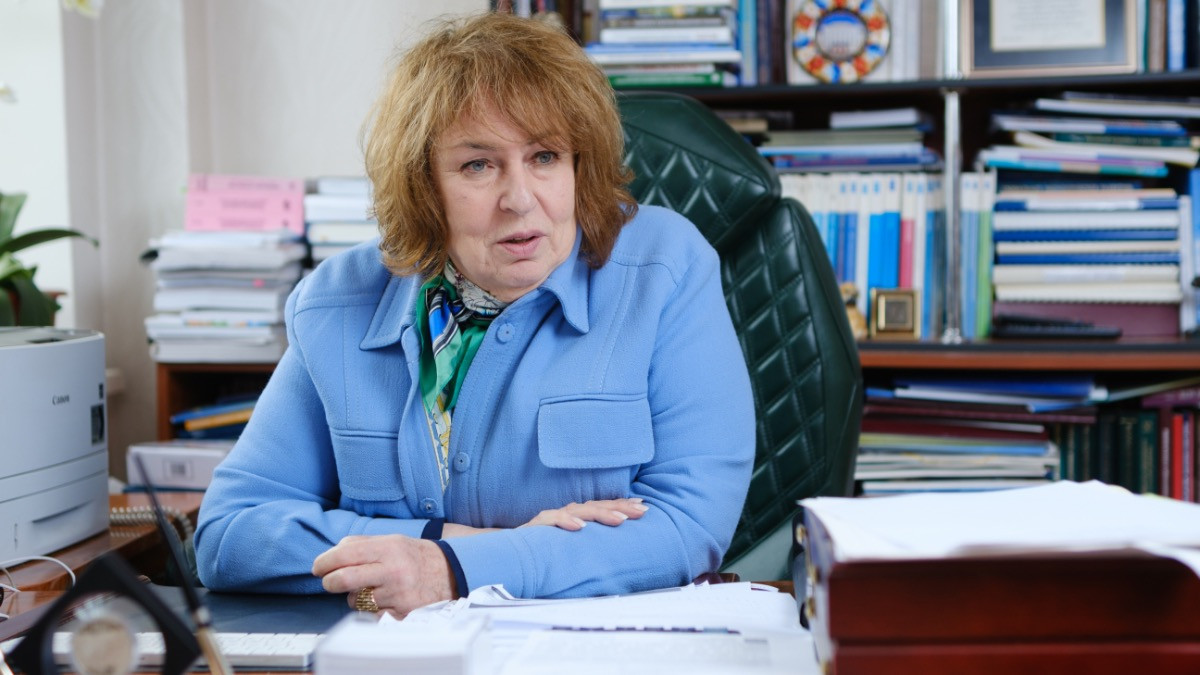
According to Espreso.tv: In a recent interview, Ella Libanova, Director of the Institute of Demography and Social Studies, discussed the current state of labor migration in Ukraine and outlined the new Migration Strategy. This plan aims to bring Ukrainians back home and regulate the flow of migrant workers. She noted that in 2025, the number of approved applications from labor migrants was around 9,000—a significant drop compared to 2021, when that figure reached 22,000.
New Migration Strategy Unveiled
Libanova also addressed public concerns about a potential influx of foreigners into Ukraine.
'Not at all—I think not. It can be limited, and Europe’s mistakes can be avoided (...) Our people are very afraid that hordes of foreigners will come here and demand state assistance—they won’t come to us. Our poverty protects us from that.' Ella Libanova
Additionally, the new Migration Strategy plans to introduce a system similar to Canada’s, where a work visa would not be issued to just any resident of a country, but specifically to someone who meets labor market demands. 'The idea is to avoid, God forbid, letting this spiral out of control,' Libanova added.
Labor migration has become a pressing issue in Ukraine, especially following a rally on May 23, 2026, where representatives of Ukrainian nationalist youth groups demanded a halt to the import of foreign workers. These events highlight growing public attention to labor migration and its impact on the country’s economy.
The relevance of labor migration in Ukraine is increasing amid economic challenges and the need for effective workforce management. The new Migration Strategy, which focuses on controlling migrant workers and aligning them with labor market needs, could be a crucial step toward ensuring labor market stability. At the same time, public reactions—including protests against immigration—underscore the need to balance economic demands with societal sentiments.
Read also
- Migrants in Russia Face Deportation for Criticizing the Army as Pressure Mounts
- Foreigners in Russia Now Required to Keep Location Tracking On—Here Are the Penalties for Non-Compliance
- Lithuania and Latvia Join Forces Against Illegal Migration: A New Crackdown on Human Smugglers
- EU Commissioner Urges Germany to End Internal Border Checks
- EU Extends Temporary Protection for Ukrainians Until 2028
- EU Extends Protection for Ukrainians Until 2028: What You Need to Qualify