Ukraine Lawmakers Propose Three-Month Battle-Free Adjustment Period for Troops After Training.

Bill Introduced to Mandate Post-Training Adaptation for Service Members
According to Novyny.live: A newly registered bill in Ukraine's parliament, the Verkhovna Rada, would require a three-month adaptation period for military personnel after completing their training, during which they would be barred from combat. The legislation's author is lawmaker Serhiy Hryvko.
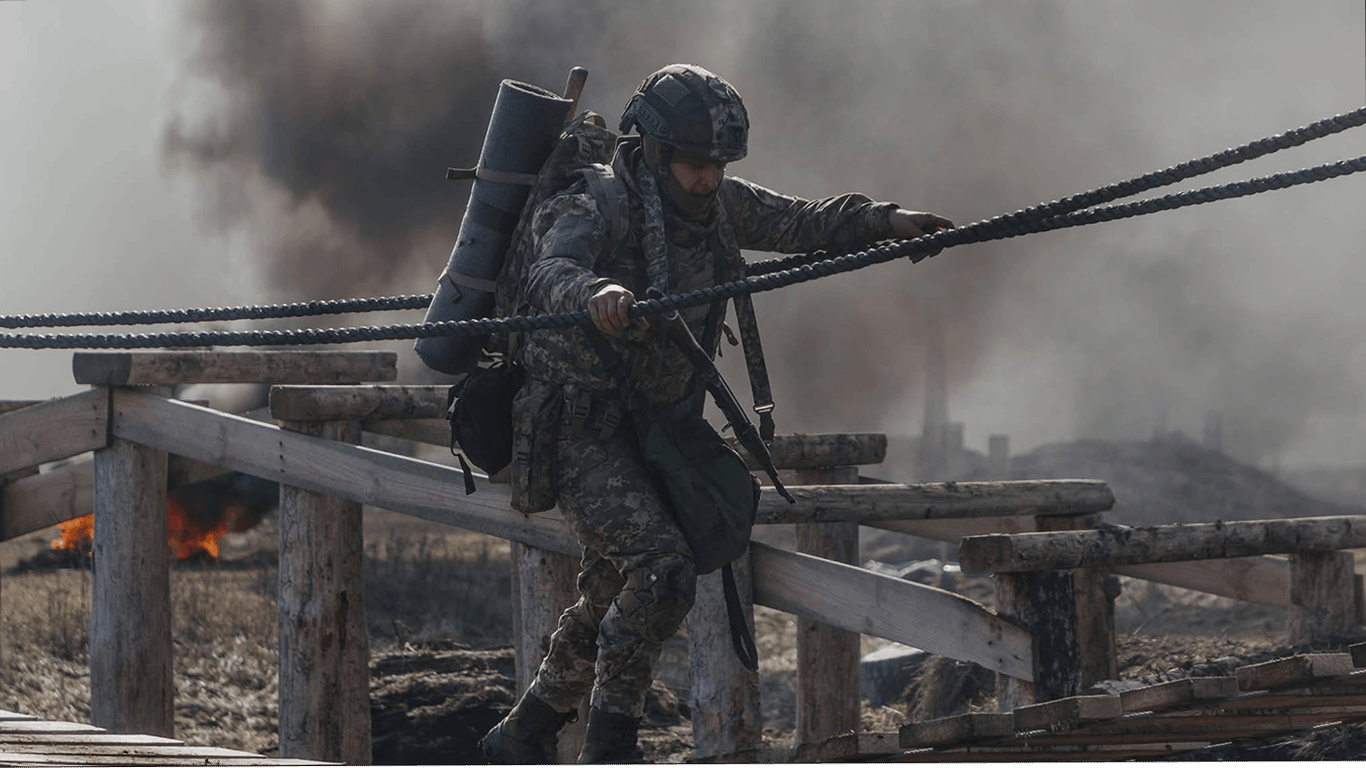
Under the proposed law, soldiers could not be deployed to combat zones for 90 days following basic training or graduation from higher military academies. This measure aims to ease the psychological and physical transition into active duty, which Hryvko argues will boost their effectiveness in real combat scenarios.
Current Ukrainian law does not restrict combat deployment immediately after training. If passed, this change would significantly alter how troops are phased into service.
Additional Social Support Measures for Military Personnel
Alongside this bill, parliament recently registered another proposal that would grant discharges to service members raising minor children with disabilities. It also seeks to ban debt collection from soldiers and their families during martial law. These initiatives reflect lawmakers' growing focus on the social welfare of troops and their relatives.
After finishing training, fighters would undergo a three-month integration period within their units, potentially marking a major upgrade to the military's preparation system. Such proposals clearly require further debate and assessment to weigh their feasibility and impact on national defense.
The proposed legal changes could help improve troop morale and readiness for missions, a critical need amid modern challenges. The adaptation window outlined in the bill may foster better assimilation of new soldiers into combat units, lowering the risks of stress-related injuries and inadequate preparedness.
This also signals increasing attention to social issues affecting service members and their families, which could positively influence the army's overall morale.
Read also
- Zelenskyy Offers Fedorov a Role on Ukraine's National Security Council Amid Protests in 16 Cities
- EU readies 21st sanctions package targeting 90 Russian banks and crypto platforms
- Trump Endorses Sanctions and PAC-3 Licenses, Signaling a US Policy Shift on Ukraine
- SBU General Yevhen Khmara Takes Over as Defense Minister: What to Know
- Commander-in-Chief of Ukraine’s Armed Forces Cannot Be Dismissed Due to Absence of a Defense Minister
- Ukraine to receive enhanced air defense after 15th meeting of the 'Coalition of the Willing'