Starting July 1, 2026, Ukraine Mandates New Fuel Standards: What Drivers Need to Know.

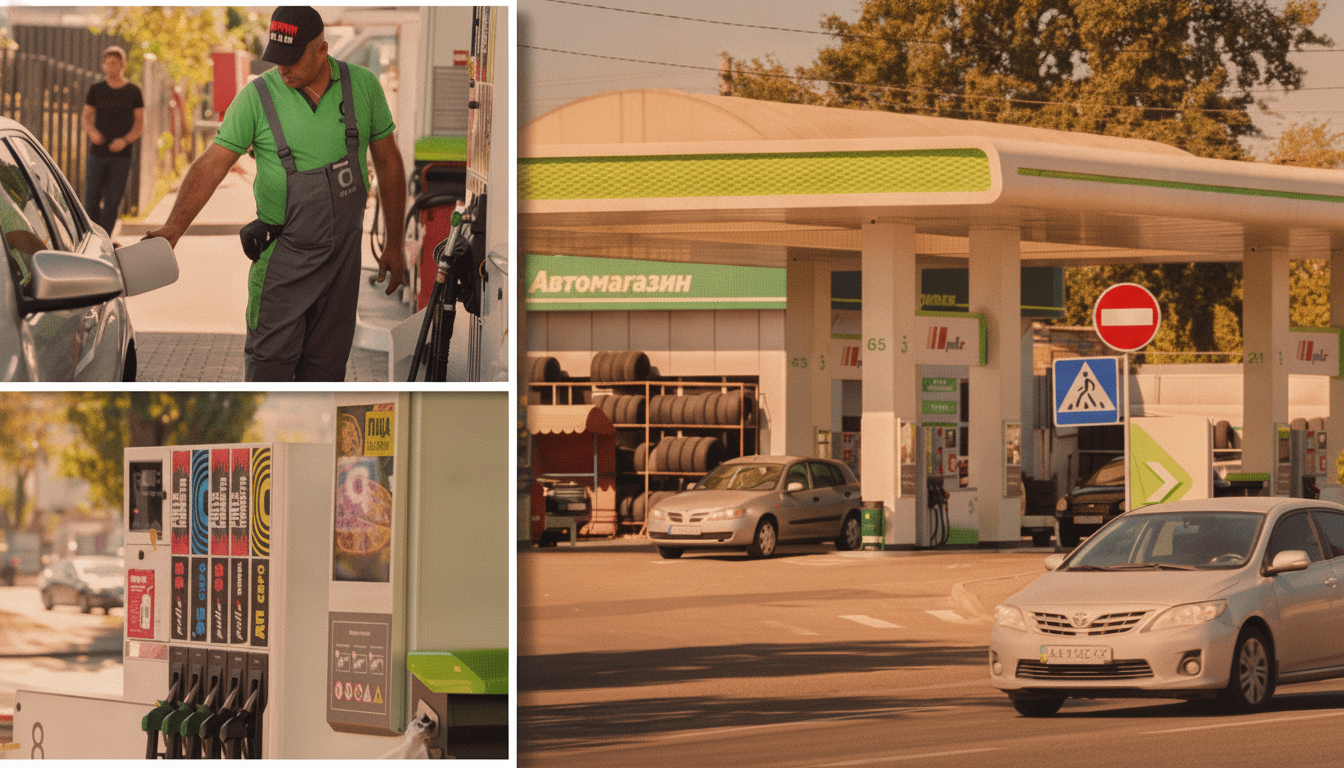
Ukraine's Upcoming Fuel Regulations
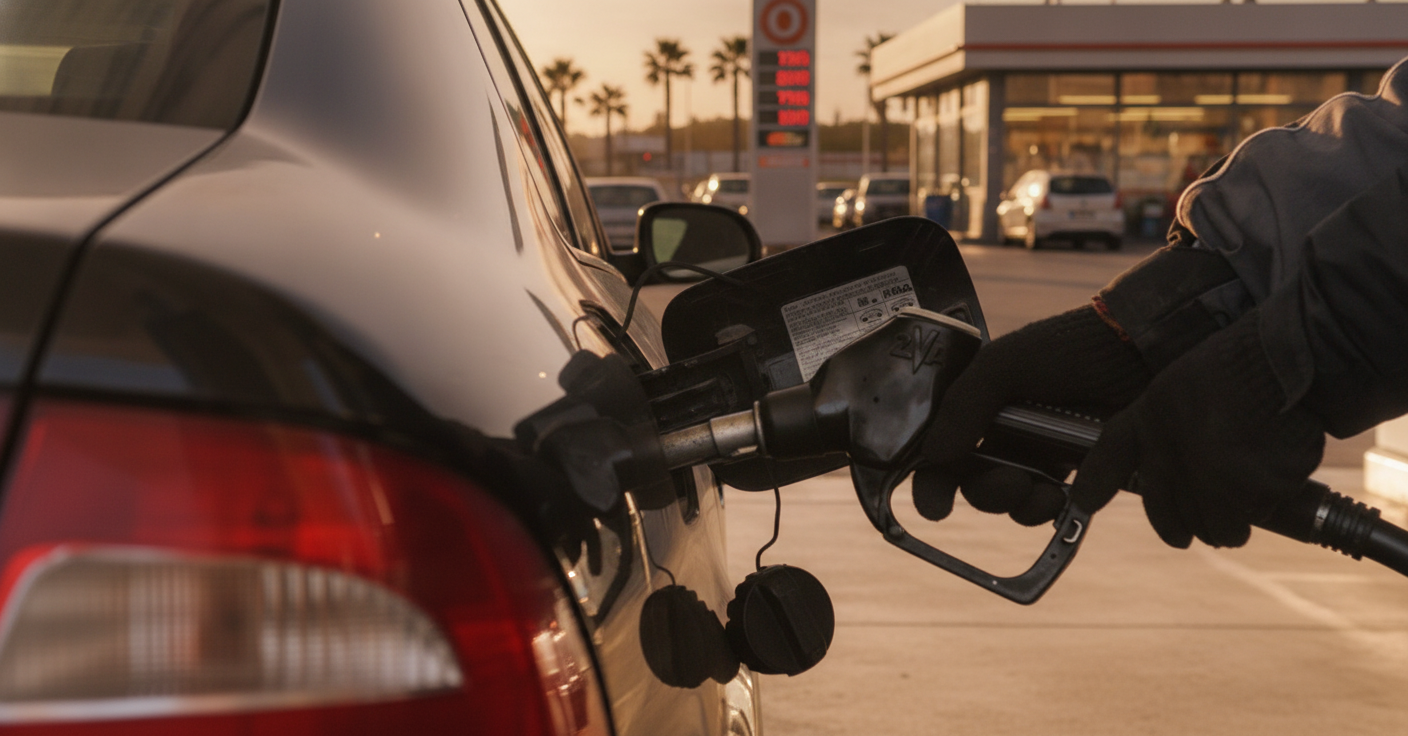
According to Novyny.live: Beginning July 1, 2026, Ukraine will enforce updated fuel requirements, including a mandatory minimum of 7% bioethanol content in gasoline. This initiative stems from the law 'On Amendments to Certain Laws of Ukraine Regarding the Mandatory Use of Liquid Biofuels (Bio-components) in the Transport Sector.' The move aligns with broader European trends toward reducing carbon emissions and promoting renewable energy sources.
Under the new rules, gasoline and diesel will be rebranded with labels such as E5, E10, and B7, replacing the current A-95 and A-92 grades. Despite these changes, the Ministry of Economy, Environment, and Agriculture has stated that
“gasoline will not become more expensive after the mandatory addition of bioethanol takes effect on July 1.”
Impact on Vehicles and Financial Burdens
In addition to fuel composition changes, the regulations introduce stricter reporting requirements for liquid biofuel content. Non-compliance or late reporting could result in fines of up to 336,080 Ukrainian hryvnias, underscoring the government's commitment to enforcement.
Addressing concerns about vehicle performance, expert Serhiy Kuyun reassured drivers that
“when bioethanol comprises up to 10% of gasoline, it cannot cause any malfunctions in a car's operation.”This clarification aims to ease worries among motorists about potential negative effects on their vehicles.
Beyond fuel, Ukrainians should also note that from July 1, 2026, students in Kyiv will pay 25% of the monthly transit pass cost, while university students will pay 50% until September 1. These combined changes—fuel reforms and adjusted transit fees—may increase the financial strain on Ukrainian households.
Overall, starting July 1, 2026, Ukrainians must prepare for new fuel standards involving mandatory bioethanol, updated fuel labeling, and altered transportation costs for students. These measures are part of a national effort to lower carbon emissions and shift toward greener energy sources, though they also pose potential economic challenges for families.
Read also
- Ukraine Receives $690 Million IMF Tranche: Total Aid Reaches $2.2 Billion
- Ukraine Gets $2.2 Billion IMF Nod, But a Key Reform Delay Holds Up the Payout
- Canada Signals Readiness for Talks as Trump Imposes New Tariffs on Canadian Goods
- Fuel Prices in Ukraine Set to Jump by 7–8 Hryvnias: Here’s When the Increase Is Expected
- Ukraine’s Intelligence Warns of Systemic Crisis in Russia as Wage Arrears Surge by 78%
- Fuel Crisis in Russia Drives a Sharp Drop in Car Sales