Ukrainian Skeleton Racer Vladyslav Heraskevych Barred from 2026 Olympics, Receives Backing from Oleksandr Usyk.

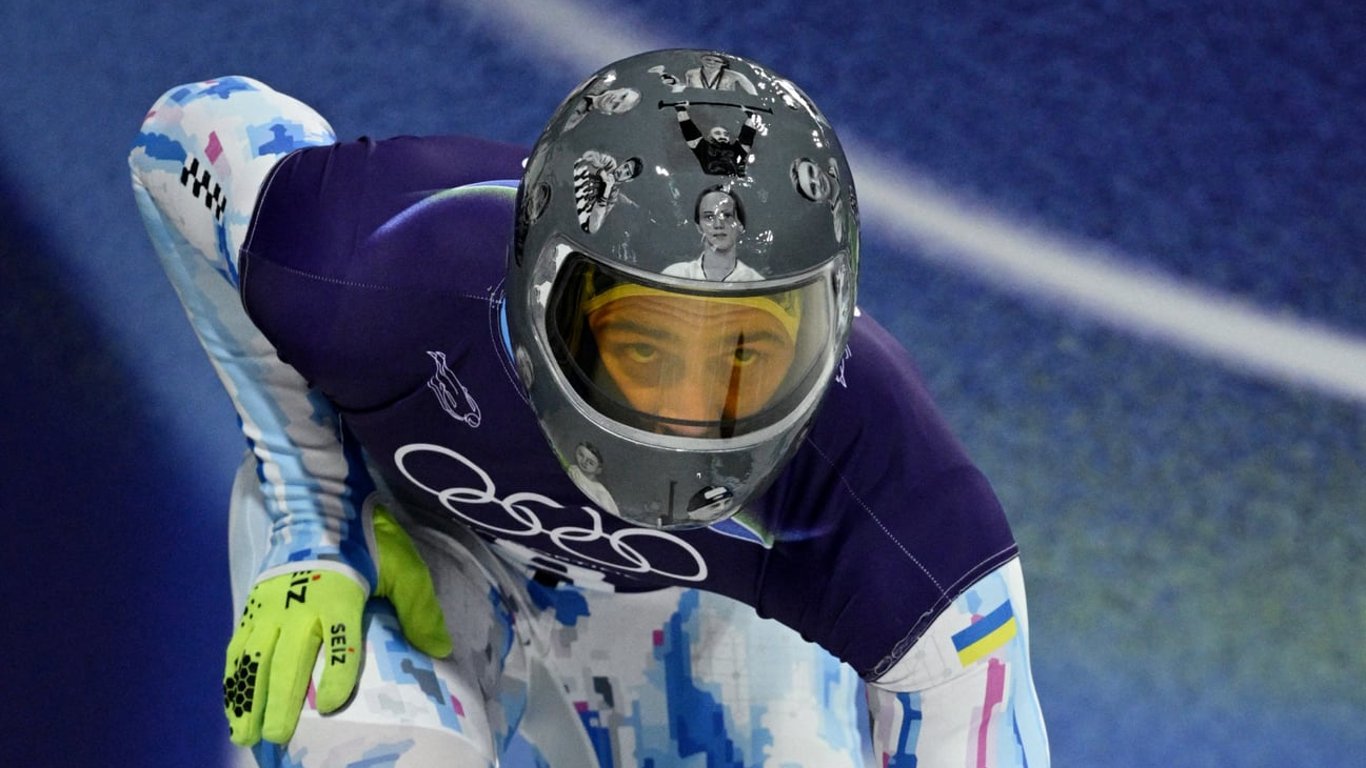
Vladyslav Heraskevych Banned from Competing in the 2026 Winter Games
According to Novyny.live: Ukrainian skeleton athlete Vladyslav Heraskevych has been disqualified from participating in the 2026 Olympic Games. This decision has sparked widespread debate and drawn expressions of support from fellow athletes, notably world champion boxer Oleksandr Usyk and his wife Kateryna.
The International Olympic Committee (IOC) issued the ban after prohibiting Heraskevych from using a commemorative helmet dedicated to Ukrainian athletes who have died in the war. The helmet was intended as a tribute to honor the memory of these fallen competitors. Oleksandr Usyk voiced his astonishment at the ruling, stating:
'I am surprised by the decision of the International Olympic Committee.' - Oleksandr Usyk
A Symbolic Tribute and Ethical Questions
The controversy surrounding Heraskevych has shifted focus beyond his individual case to the broader issue of honoring athletes lost to conflict. The symbolic gesture of support from the Usyk family has underscored the importance of backing Ukrainian sports figures during a difficult period. The athlete's exclusion from the Games has become a topic of discussion among a wide range of competitors and the broader sports community.
This incident has generated significant resonance within the sporting world, as it raises critical questions about the role of memory and symbolism in athletics, particularly against the backdrop of the war in Ukraine. Heraskevych's disqualification may prompt further debate regarding the ethical standards of the International Olympic Committee and its approach to conflicts impacting athletes. Many observers believe that supporting and commemorating the deceased is not merely a matter of personal sentiment, but a vital part of a nation's collective identity during times of crisis. The case highlights the complex intersection of sports, politics, and remembrance on the global stage.
Read also
- Trump Endorses FIFA's Ban on Balogun and Backs New UN Secretary-General Pick
- Ukraine's National Team Clinches Team Gold at World Shooting Championships in Tallinn
- Ukrainian Volleyball Star Dmytro Yanchuk Tops 2026 Nations League in Aces with 21
- Kevin Keegan, Two-Time Ballon d'Or Winner, Dies After Battle with Cancer
- Commander of the 107th Brigade Denys Perch Highlights Key Military Challenges: Infantry Shortages and Red Tape
- Ferran Torres’s lone goal secures Spain’s 2026 World Cup victory in New Jersey final