Protect Your Apple Blossoms from Spring Frost with Potassium.

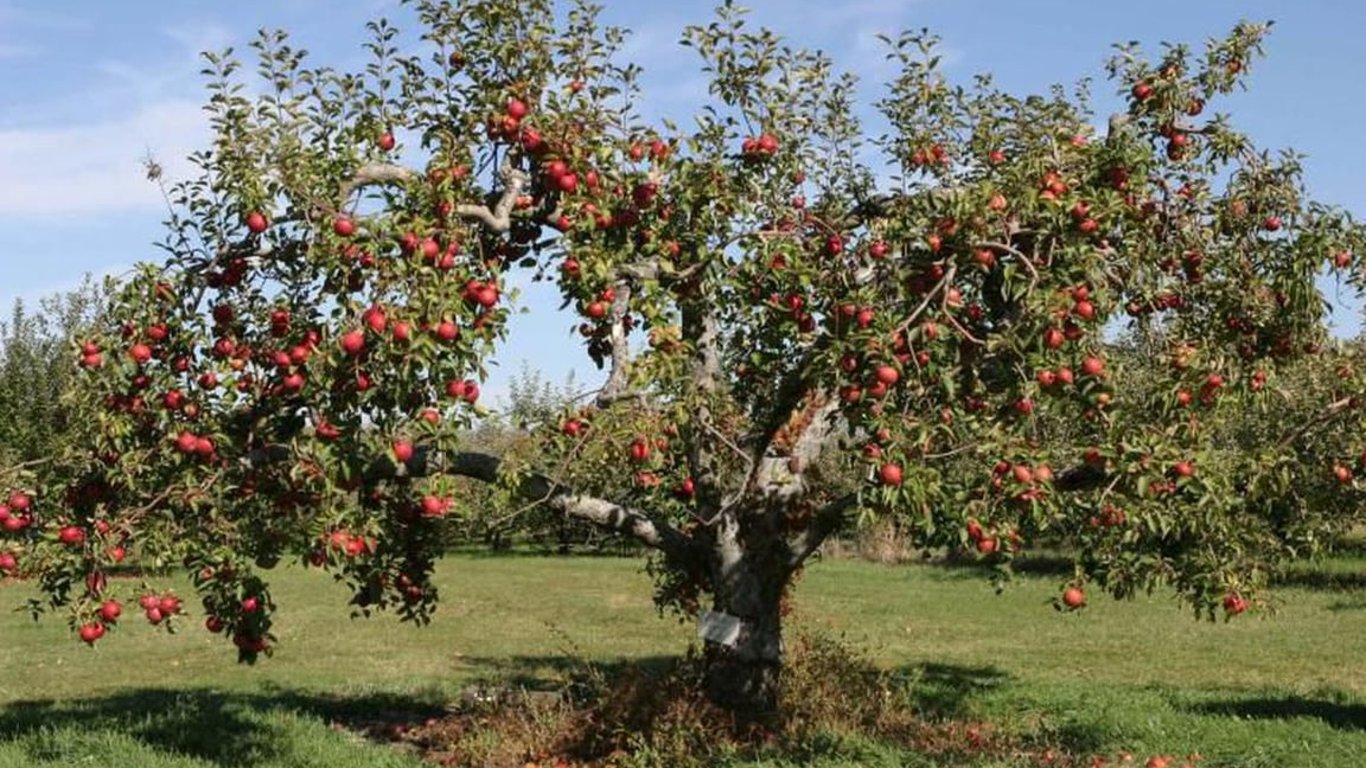
The Threat of Spring Frost to Apple Yields
According to Novyny.live: Apple harvests face significant risk from late spring frosts, but applying potassium can be a crucial defense for safeguarding the delicate fruit buds. This nutrient is vital for supporting apple trees as they recover from the stress of freezing temperatures, which can severely impact fruit set and development.
Preventing Bud Drop After a Cold Snap
Why do apple trees shed their buds following a frost? This is a common concern for orchard growers. Exposure to low temperatures creates plant stress, often resulting in bud drop. To mitigate this damage, applying potassium sulfate is recommended. This compound helps secure the buds to the branches and enhances the tree's overall health and recovery.
For effective application, use one handful of potassium sulfate for a young tree and two handfuls for a mature one. Dissolve this amount in 10 liters of warm water to create a solution. Apply it to the soil to deliver essential nutrients directly to the roots during the critical post-frost recovery period. This practice is common in temperate fruit-growing regions where unpredictable spring weather is a constant challenge.
It is important to avoid nitrogen-based fertilizers after a frost, as they can add further stress to the tree. Research indicates that with proper care, such as potassium supplementation, a mature apple tree's yield can increase by 3-4 kilograms even after a stressful frost event.
'By following these guidelines, growers can significantly improve their chances of a successful apple harvest in the coming season.'
Given the importance of post-frost tree care, growers should be well-versed in agronomic practices that protect their crop. Potassium fertilization is a key factor in boosting a plant's resilience to stressful conditions. Implementing the right techniques can not only preserve existing buds but also ensure more stable future harvests, which is increasingly critical amid climate change and growing agricultural risks.
Read also
- Loose Powder Keeps Makeup Intact: How to Prevent Sunglass Marks on Your Face
- Petrov Fast 2026 Begins June 8: How Long the Period of Spiritual Cleansing Will Last
- Best Fertilizers for June Cucumbers: Boosting Your Harvest with Potassium and Phosphorus
- What Not to Put in Your Compost Bin: A Guide to Home Composting
- Onion Bolting Threatens Your Harvest: A Simple Chemical-Free Solution to Save It
- June’s Best Fertilizer for Peonies: How to Extend Their Blooming Beauty