U.S. Economy Feels Immediate Impact from Iran Conflict as Oil Hits $100.

Iran War's Economic Impact on the United States
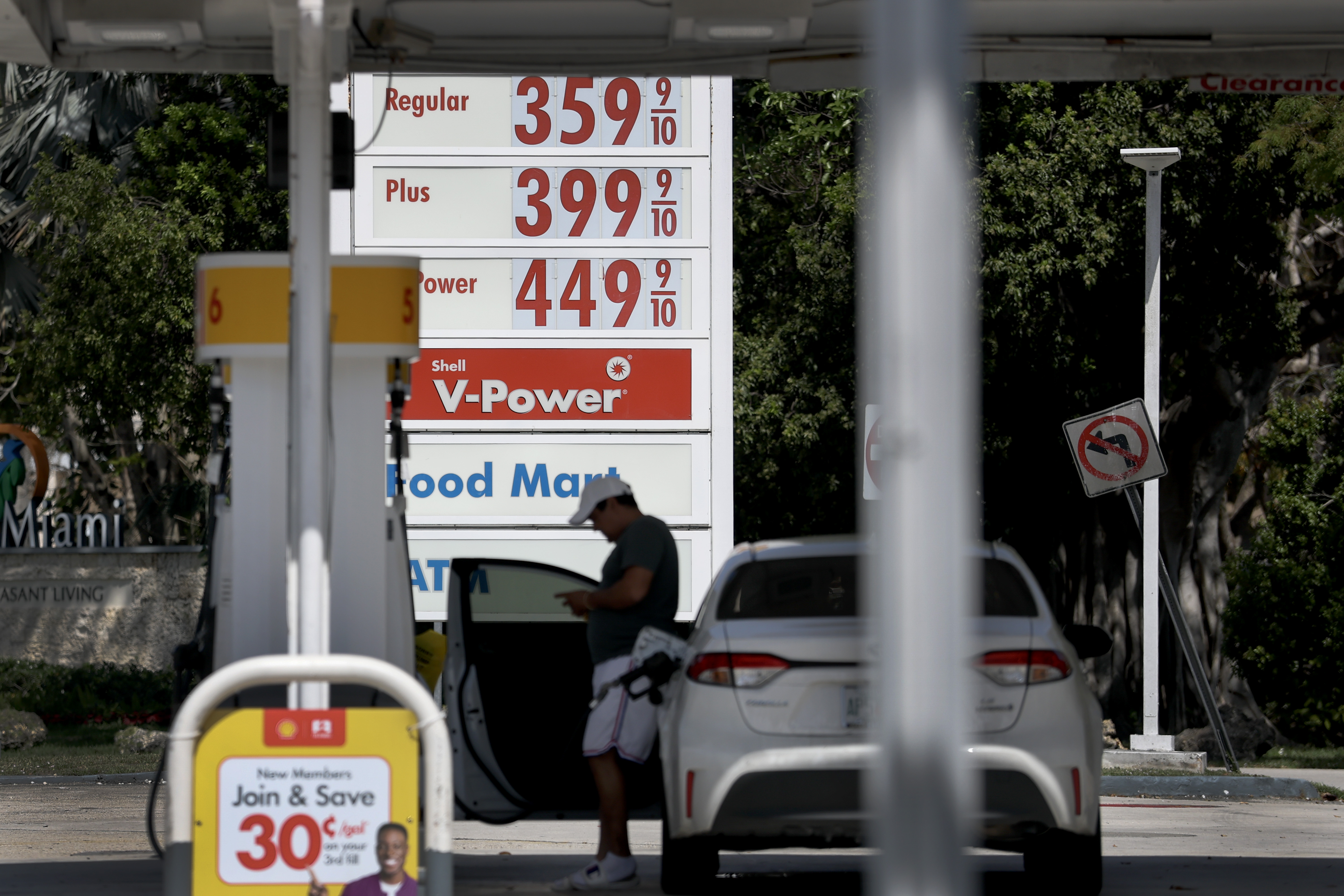
According to Vox - Загальний: The conflict in Iran is already having a significant effect on the U.S. and global economy, particularly on the price of oil and gasoline. On Monday, oil prices reached a key market benchmark of $100 per barrel. The average price for a gallon of gasoline in the U.S. has now surpassed $3.50, causing concern among consumers and businesses alike. This price surge is a direct consequence of instability in a major oil-producing region.
The rising cost of fuel, driven by the conflict, directly impacts the price of other consumer goods, increasing overall living expenses. Furthermore, the cost of fertilizer is closely tied to oil prices, which could have serious repercussions for the agricultural sector.
Economic Consequences and Political Challenges
'The short answer is yes, the war in Iran is already affecting the U.S. economy.' Economic expert Mike Beard
He also emphasized that 'this is already the second major supply shock caused by the administration's actions,' suggesting the war's economic effects could be prolonged and complex.
Such shifts in the fuel market could influence the U.S. political landscape, particularly for the Republican Party, which may face challenges amid rising energy costs. Consequently, the Iran war is not only driving up oil and gasoline prices but could also become a factor that reshapes domestic politics. High energy prices have historically been a sensitive political issue for American voters.
The situation surrounding the Iran war underscores the importance of global energy security and its impact on U.S. domestic policy. Rising energy costs may push the government to seek alternative energy sources and implement new policies to support the public. Simultaneously, economic turbulence could lead voters to reconsider their support for existing political forces, creating additional challenges for leadership during a period of international uncertainty.
Read also
- Ukraine Gets $2.2 Billion IMF Nod, But a Key Reform Delay Holds Up the Payout
- Canada Signals Readiness for Talks as Trump Imposes New Tariffs on Canadian Goods
- Fuel Prices in Ukraine Set to Jump by 7–8 Hryvnias: Here’s When the Increase Is Expected
- Ukraine’s Intelligence Warns of Systemic Crisis in Russia as Wage Arrears Surge by 78%
- Fuel Crisis in Russia Drives a Sharp Drop in Car Sales
- Ride-Hailing Costs Set to Rise in Ukraine: New Taxes Target Bolt and Uklon in 2026