45 Million People Face Starvation After Iran Conflict Blocks the Strait of Hormuz.

Consequences of the War in Iran
According to Vox - Загальний: The conflict in Iran, which erupted on February 28, 2026, has severely disrupted nations reliant on the Strait of Hormuz. At its narrowest point, this strategic waterway spans just 21 miles and had previously facilitated 20% of global oil shipments and 20% of liquefied natural gas trade. Since the strait was shut down, cargo traffic has plummeted by 95%, triggering widespread economic turmoil across multiple countries.
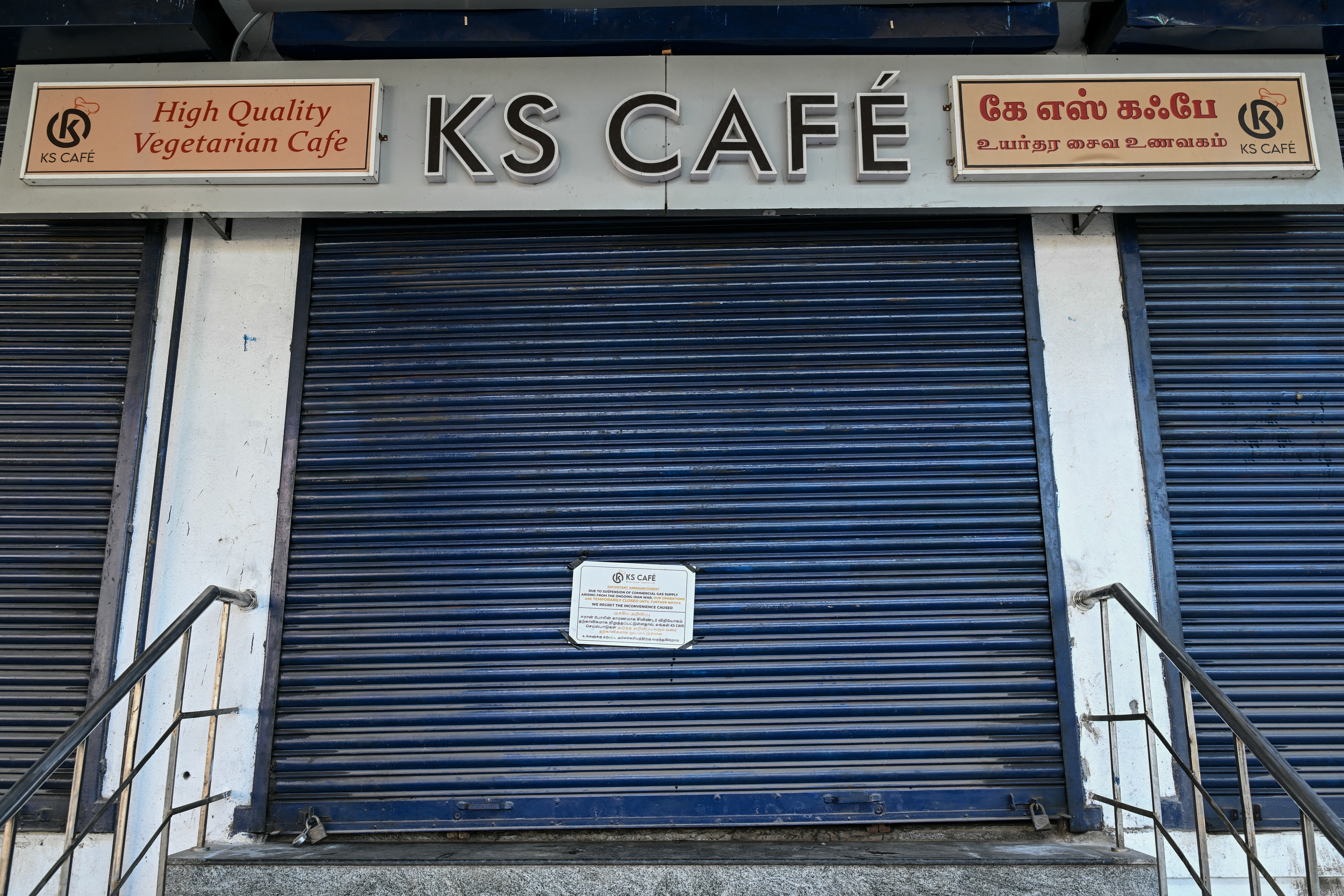
An estimated 3.2 billion people now face constraints in fuel and energy supplies. In India, the price of liquefied gas cylinders has nearly tripled, jeopardizing around 10,000 restaurants in the state of Tamil Nadu. In Nepal, urea prices surged by 40% just before the rice planting season, signaling growing food insecurity. Overall, roughly 45 million people could slip into severe food shortages as supply chains falter and essential goods become unaffordable.
National Responses and Environmental Fallout
Nations including India, Sri Lanka, Laos, Egypt, Thailand, and South Korea have already introduced energy-saving measures to cope with the crisis. These steps reflect an urgent need to adapt to the new reality created by the strait's closure. Meanwhile, environmental repercussions are emerging: Japan plans to lift restrictions on coal-fired power plants, signaling a return to dirtier energy sources.
The war in Iran is thus reshaping not only the region but also the global economy, particularly energy and food supplies for countries dependent on the Strait of Hormuz. Given the vast number of people affected by these economic shocks, it is critical to monitor international responses and potential conflict resolution pathways. Without intervention, the situation could deepen socio-economic instability in many nations that rely on steady access to energy and food.
Read also
- Major Salary Hikes Planned for Ukrainian Rescuers: Here’s What They Could Earn
- Gazprom Shares Hit a 20-Year Low: What Triggered the Collapse?
- Russia's Shadow Fleet Under Fire: Black Sea Oil Exports Face Systemic Disruption
- Russian Billionaires Accelerate Capital Flight Abroad Amid Growing Economic Fears
- Fuel Shortages and Rising Prices Drive Russians to Buy Foreign Currency in Droves
- Capital Flight from Russia: Why Billionaires Are Moving Assets Abroad