Earnings and Utilities in Germany: What Ukrainians Earn and Where Their Money Goes.

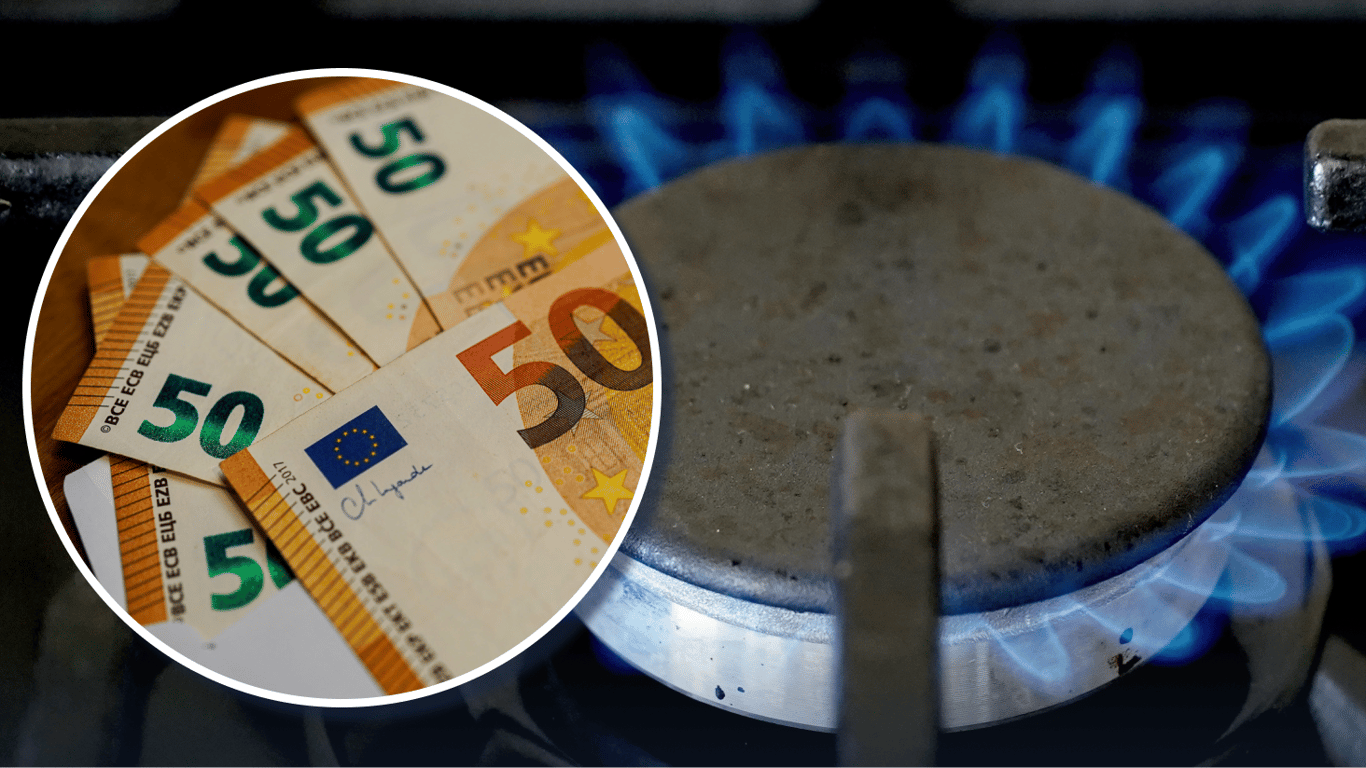
Social and Economic Conditions for Ukrainians in Germany
According to Novyny.live: Understanding utility costs, minimum wages, and social benefits is essential for Ukrainians navigating life in Germany under current socio-economic conditions. Starting January 1, 2026, the country's minimum hourly wage will rise to €13.90, translating to roughly €2,482 gross per month for full-time work. After taxes and deductions, a worker takes home about €1,700, equivalent to approximately 87,000 Ukrainian hryvnias.
Unemployment benefits differ depending on arrival date. Those who entered Germany before April 1, 2025, receive €563 per adult. Ukrainians arriving after that date are entitled to €441 per person.
Costs for Utilities and Housing Services
Monthly housing-related expenses in Germany fall into several key categories:
- land taxes;
- building maintenance fees;
- administrative service charges;
- utility bills.
Land tax for a two-room apartment runs about €70–150 annually. Building management (property management company) costs €60–100 each month, while administrative fees add another €30–50 monthly. Contributions to a repair fund amount to roughly €15 per square meter.
As for utilities:
- electricity averages €0.30 per kilowatt-hour;
- water ranges from €0.30 to €0.50 per cubic meter;
- gas costs around €5 per cubic meter;
- heating can reach up to €70 per month;
- waste disposal runs €10–25 monthly;
- phone and internet services cost about €25 per month;
- the mandatory media contribution (radio and TV) is €17.50 monthly.
Overall, average monthly utility expenses for a two-bedroom apartment in Germany total approximately €300. This data is crucial for Ukrainians already in the country or planning to move, helping them navigate the socio-economic landscape more effectively.
Knowledge of minimum wage levels and social benefits is vital for Ukrainians adapting to life in Germany, especially amid economic challenges. Understanding utility costs also enables new immigrants to budget more efficiently, supporting their integration into German society. Grasping these details allows Ukrainians to better prepare for life in a new country, factoring in all possible expenditures and income streams.
Read also
- Russian Billionaires Accelerate Capital Flight Abroad Amid Growing Economic Fears
- Fuel Shortages and Rising Prices Drive Russians to Buy Foreign Currency in Droves
- Capital Flight from Russia: Why Billionaires Are Moving Assets Abroad
- New Government Center to Manage Employee Reservations: Salary Thresholds Set at Critical Levels
- Russia’s 2026 Budget Deficit Could Hit a Record 4.83 Trillion Rubles
- Nearly 50 Million UAH Allocated for a New Kyiv Heating Plan: What’s Changing