Why Zelenskyy and Yermak Underestimated the Invasion Threat.

Russia's Full-Scale Invasion of Ukraine
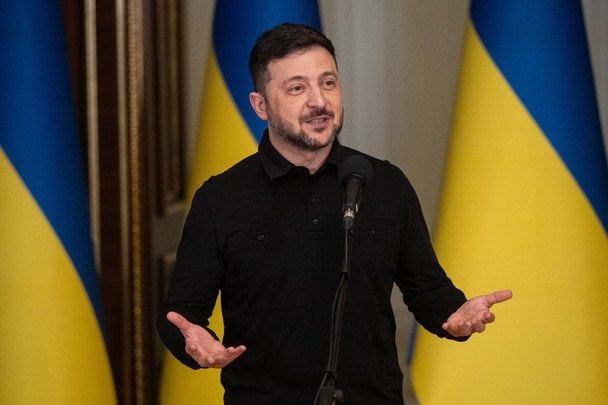
According to TSN.ua: Russia launched its full-scale invasion of Ukraine on February 24, 2022, the culmination of prolonged tension and uncertainty. Just two days prior, on February 22, 2022, a secret intelligence report detailing Russia's preparations for an attack was delivered to President Volodymyr Zelenskyy. Despite receiving this warning, key figures in Ukraine's leadership, including Andriy Yermak, then head of the President's Office, did not fully grasp the immediacy of the threat. This intelligence failure occurred against a backdrop of widespread international skepticism about Vladimir Putin's ultimate intentions.
A high-ranking Kremlin official noted at the time,
"There are many military personnel around Putin, the atmosphere is extremely tense, something is happening, but we have no idea what exactly."This statement underscores a situation where even the Russian elite may have been unprepared for the scale of the impending aggression. It points to Putin's isolation and a lack of reliable information flow among Russian leadership circles.
Key Factors in the Buildup to Aggression
Several critical factors defined the period leading up to the invasion:
- Russia's use of hybrid warfare tactics, rather than an overt, large-scale siege, created ambiguous conditions that made the adversary's real actions difficult to predict.
- Putin's isolation likely influenced his decision-making, as he may not have been receiving objective data from his advisors and military commanders.
- The consequences of "reassurance" diplomacy, which took place right up to the invasion, prevented a proper assessment of the looming danger.
Consequently, skepticism toward intelligence about potential Russian aggression became a crucial factor shaping the Ukrainian leadership's response. The situation highlights the complex and multifaceted nature of pre-war preparations, where many elements remained hidden. For Western observers, this episode illustrates the peril of dismissing clear warnings, even when they seem politically inconvenient.
This analysis stresses the vital importance of accurately assessing military threats and having reliable intelligence for decision-making in critical moments. For Ukraine and its international partners, the lessons learned from the war's outset can form a foundation for improving response strategies to similar challenges in the future. A key aspect will remain the necessity for open information exchange and adaptation to new realities emerging on the international stage.
Read also
- June 7 Elections in Armenia: What’s at Stake for the Nation and the Wider Region
- Zelensky Honors Ukrainian Journalists and Issues Fresh Remarks on Peace Efforts
- Slovakia's Mixed Signals: Fico Calls for Talks with Moscow After Constanta Blast
- NATO Leaders Debate New Funding Package for Ukraine: Who Pays and How Much?
- New Alternative Service Law in the Works: Who Will Be Affected in Ukraine
- Drone Strikes from Belarus Intensify: Border Guards Reveal New Details