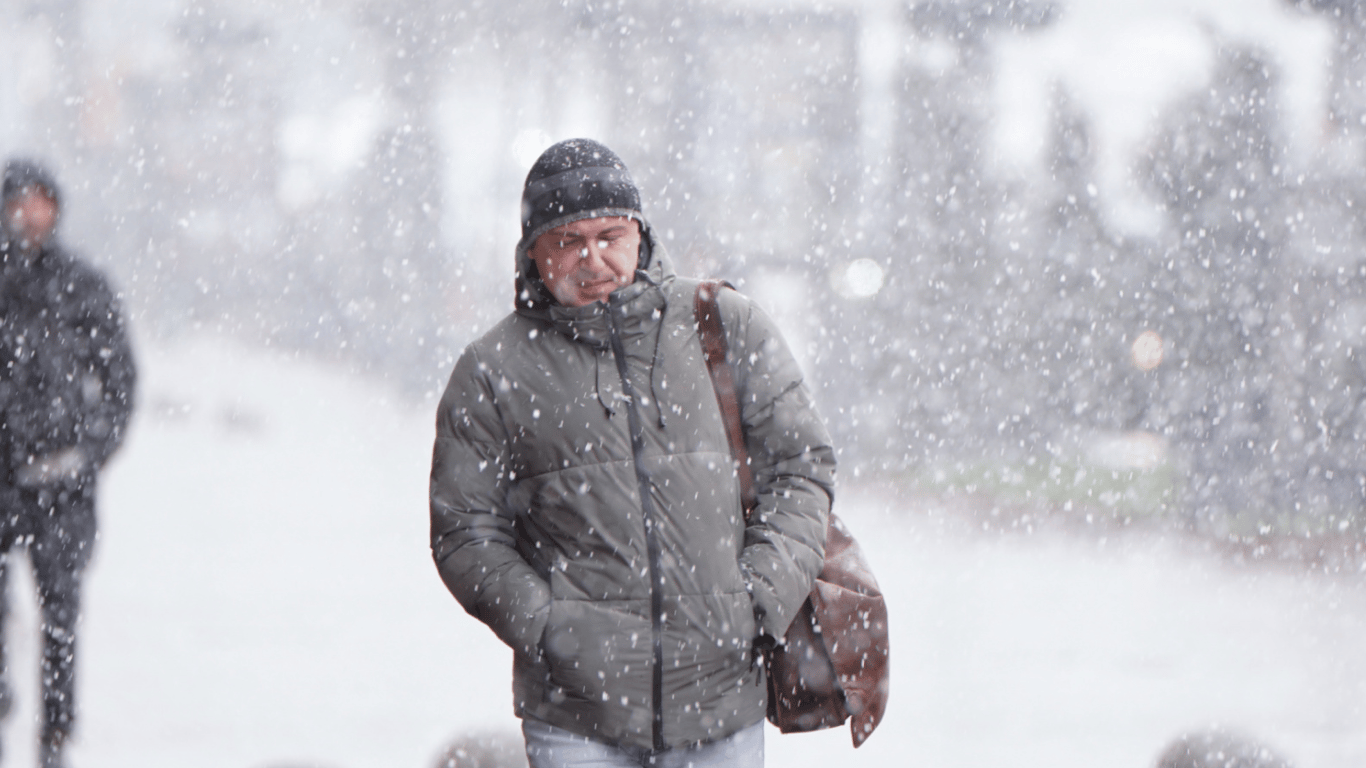
Lviv Braces for Icy Conditions and Subzero Temperatures on February 17.

Weather Forecast for Lviv on February 17
According to Novyny.live: Residents of Lviv and the surrounding region should prepare for a wintry mix on February 17, with light snow, icy glaze, and a sharp drop in temperature expected. Daytime highs will range from -4 to +1 °C, but the mercury is forecast to plunge to a frigid -11 °C overnight. This type of freezing rain can create hazardous layers of ice on surfaces.
The wind will be southeasterly, blowing at 5 to 10 meters per second. Due to the risk of dangerous meteorological conditions, authorities have issued a yellow-level hazard warning for ice in Lviv. This advisory highlights the need for extra caution on roads and walkways, as slippery patches pose a significant threat to both drivers and pedestrians.
Local officials are urging people in the region to exercise care while traveling and to account for the weather when planning their activities. It is crucial to be aware of the potential risks that may arise from the deteriorating conditions.
Winter Weather Pattern in Lviv
While such weather is characteristic of the winter season in western Ukraine, the specific forecasts for ice and severe cold demand heightened attention from the public. The declaration of a yellow-level danger underscores the importance of vigilance, which can help prevent accidents on slippery roads.
During the winter months, it is always wise to stay prepared for sudden weather changes and to plan activities in line with the latest forecasts.
Read also
- Scorching Heat Up to +34°C and Fire Hazards: July Weather Outlook for Kharkiv Region
- Kyiv Faces Extreme Fire Danger on July 1: What the Weather Forecast Looks Like
- Extreme Fire Hazard Declared in Odesa Region on July 1 as Temperatures Soar to 35°C
- Lviv Region Braces for Severe Storms, Torrential Rain, and Scorching Heat Up to 36°C
- Severe Storm Hits Kyiv on June 29: Obolon District Suffers Worst Damage
- Strike on Sumy on June 30: 12 Injured, 5 Hospitalized