New Income Caps Could Drive 200,000 Sole Proprietors into the Shadow Economy.

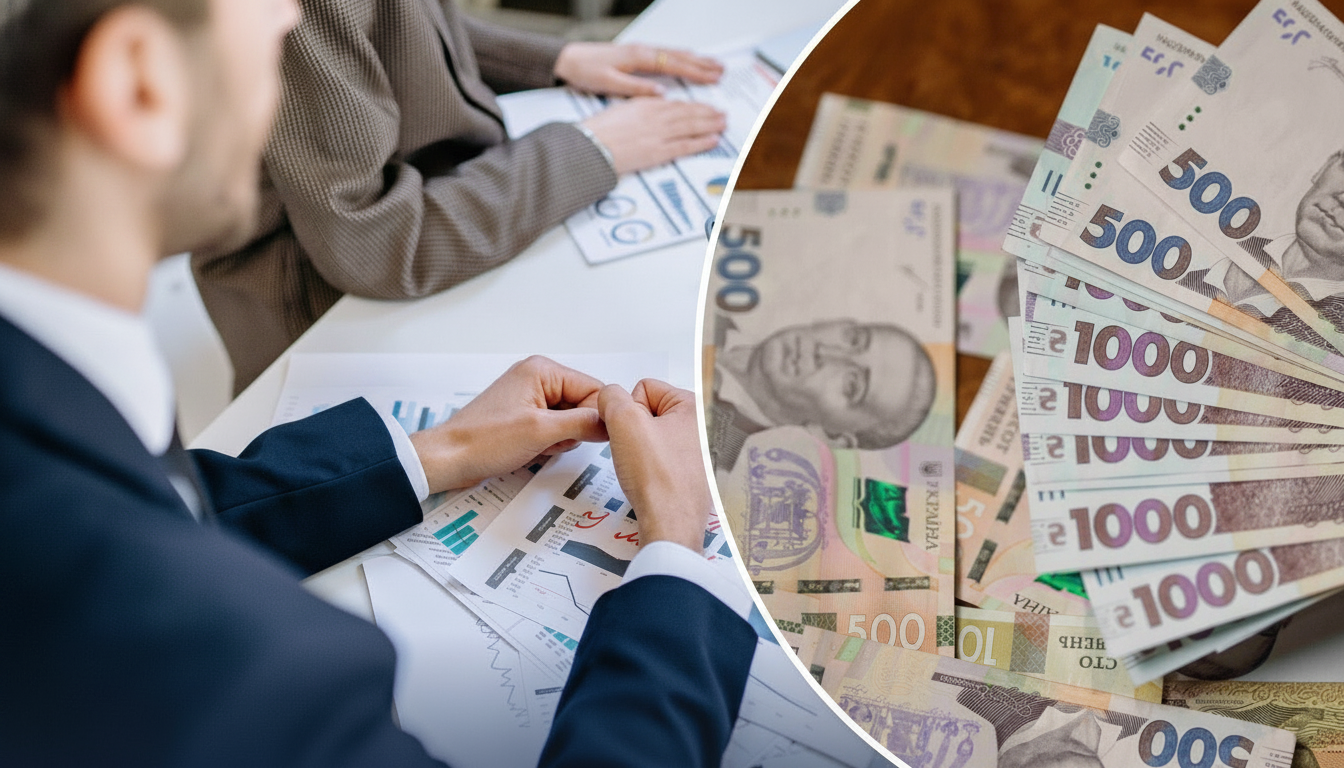
Legal Reforms and Their Impact on Small Businesses
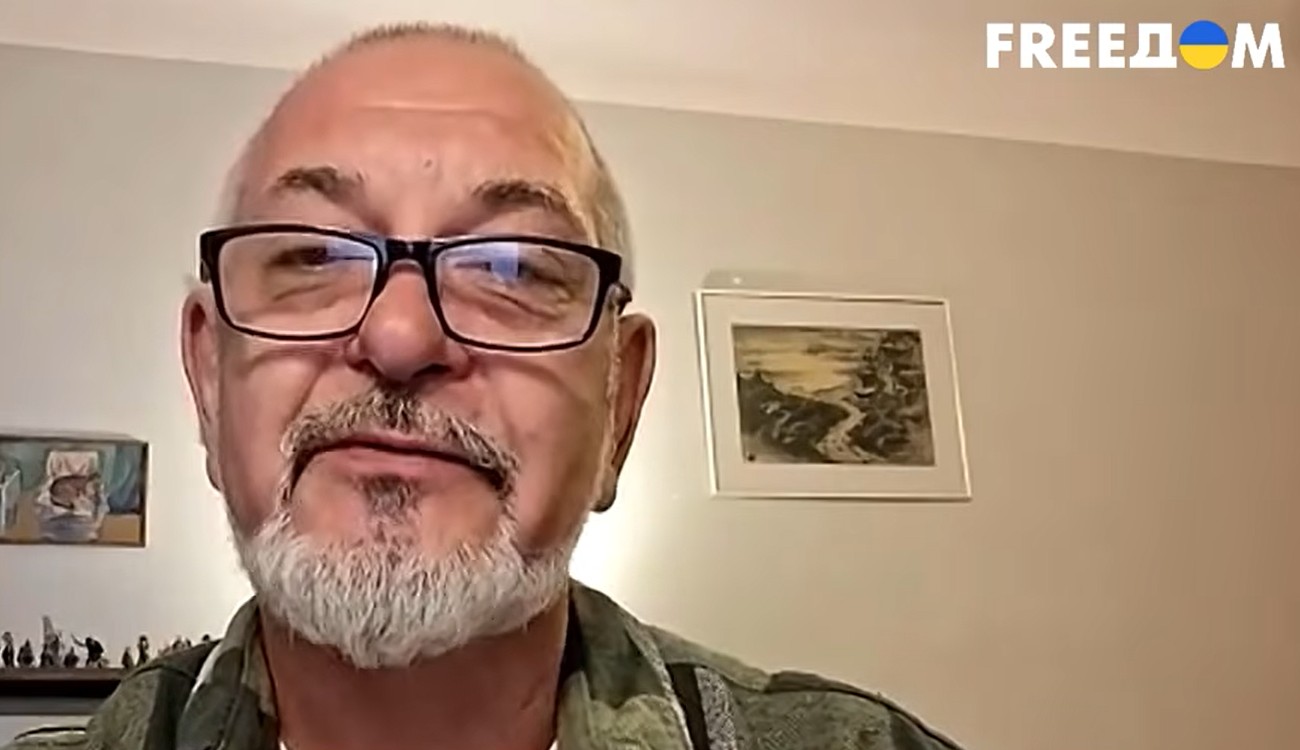
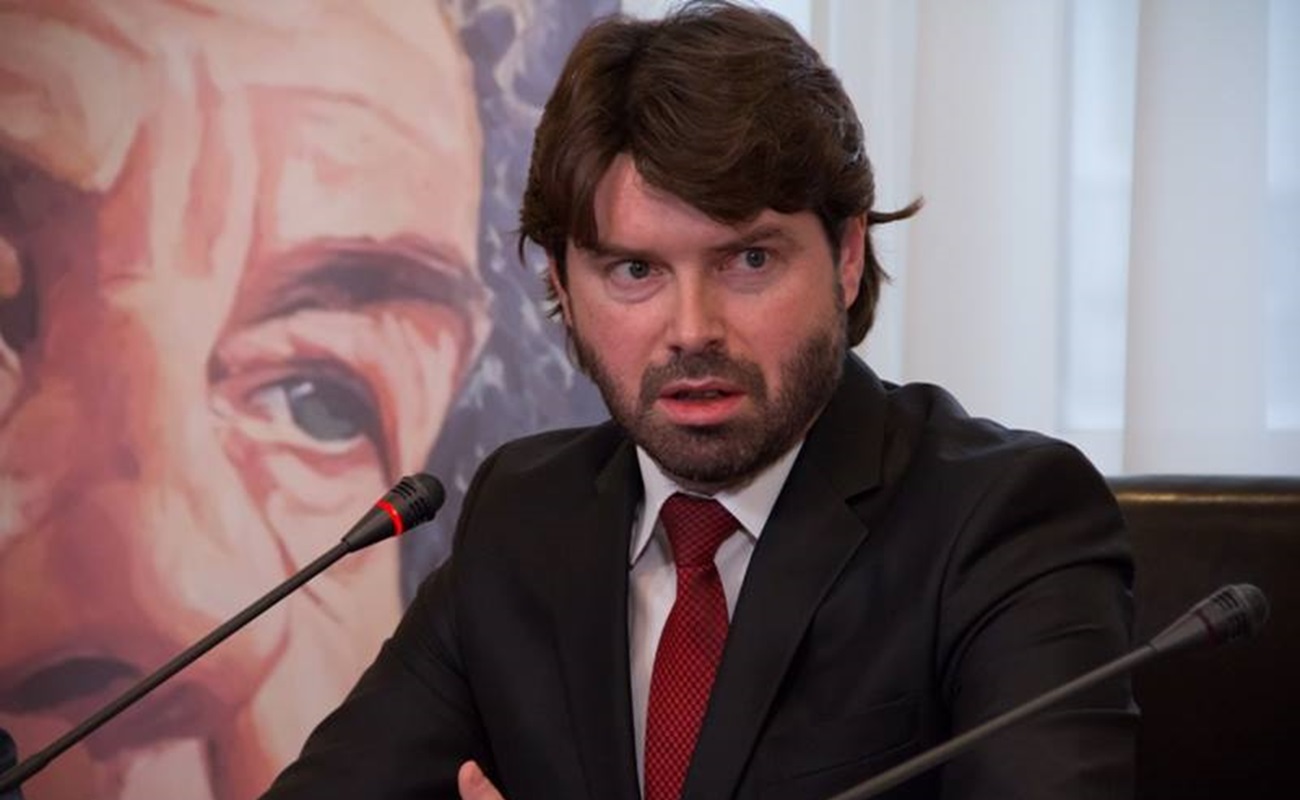
According to Novyny.live: Proposed legislative changes may push approximately 200,000 entrepreneurs into the shadow economy, warns economist Oleh Ustenko. This shift would likely reduce tax revenues and jeopardize funding for essential state programs. The expert cautions that stricter rules could incentivize small business owners to evade taxes entirely, undermining fiscal stability.
Currently, third-category sole proprietors (known as FOPs) have an annual income limit of 2 million hryvnias. Should the new restrictions take effect, analysts estimate that around 200,000 FOPs could go underground. Ustenko stated,
“If this is implemented, we will see roughly 200,000 FOPs move into the shadows.”Such an outcome would disrupt the tax system’s balance and shrink government revenue.
The Shadow Economy's Scale and Why Legal Changes Matter
Ukraine’s shadow economy already accounts for about 30% of total economic activity—a figure that deeply concerns experts. A further expansion of the informal sector could hinder the country’s overall economic growth. Ustenko emphasized,
“Instead of the projections made by the Finance Ministry’s computers, we will see the opposite effect: lower tax receipts for the budget.”
Adding to the pressure, the deadline for first- and second-group FOPs to pay their military levy and single tax falls on June 20. This deadline raises further questions about how entrepreneurs will cope if new caps are introduced.
Given these risks, policymakers must consider adjustments to the law that prevent harm to small businesses while ensuring stable budget inflows. Striking a balance between monitoring incomes and supporting entrepreneurial activity is crucial.
Adapting legislation amid economic turbulence is vital for fostering small business growth in Ukraine. A larger shadow sector would not only cut tax revenue but also make life harder for those trying to operate legally. Therefore, the government should prioritize business needs and seek ways to nurture entrepreneurship, thereby avoiding negative consequences for the national economy.
Read also
- Russia’s Oil and Gas Revenue Set to Surge by 60%—Here’s What’s Driving the Jump
- IMF Disburses $690 Million Second Tranche to Ukraine: Where the Funds Are Going
- Russia’s Budget Deficit Could Hit 7 Trillion Rubles—What Are the Default Risks?
- Expert Sets Critical Threshold: 60% of Russia's Oil Refining Capacity Must Be Destroyed
- Russia Faces Imminent Fuel Crisis: Why Refinery Recovery Is Nearly Impossible, Expert Warns
- Economist identifies Russia's point of no return: why it can never reclaim its place among global economic leaders