Fuel Crisis Hits Russia: Military Gets Only 30% of Needed Supply After Ukrainian Strikes.


Russia Faces Severe Fuel Shortage
According to UATV: Russia is grappling with a major fuel deficit that has particularly crippled its military, which now receives just 30% of the gasoline and diesel it requires. The crisis has forced Moscow to import fuel from other nations and adopt hands-on distribution controls. Ukrainian attacks on energy infrastructure have significantly worsened the situation.
By early July, Russia's fuel output had dropped to 65% of seasonal consumption levels. This has slashed military fuel supplies to only 30% of what is needed, creating serious logistical challenges for the armed forces. Adding to the strain, a fire at an oil depot in Armavir engulfed roughly 800 square meters, potentially deepening the crisis.
Imports and Fuel Consumption Priorities
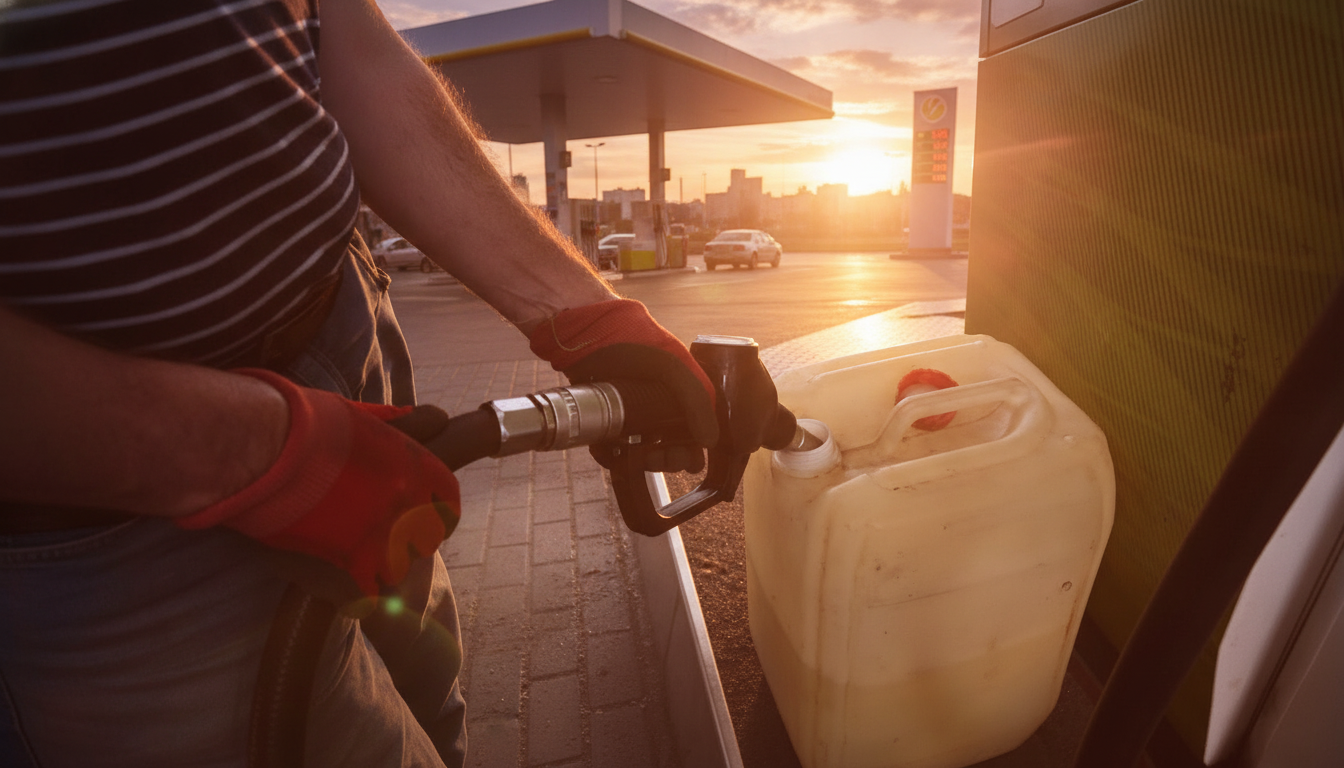
To offset the shortfall, Russia is now importing gasoline not only from Kazakhstan but also from Belarus and India. In July, Kazakhstan's 'Kondensat' refinery shipped 5,000 tons of gasoline to the Volga region and Moscow Oblast. Russian oil companies have resumed fuel sales on the St. Petersburg International Mercantile Exchange, with a combined refining capacity of around 40 million tons per year.
The government has listed the following as priority fuel consumers:
- the military
- defense industry enterprises
- farmers
- businesses
- ordinary car owners
“Ukraine has successfully applied long-range sanctions against important targets in the Krasnodar and Stavropol regions” — Volodymyr Zelenskyy
Russia's fuel crisis stems not only from domestic economic troubles but also from external pressure.
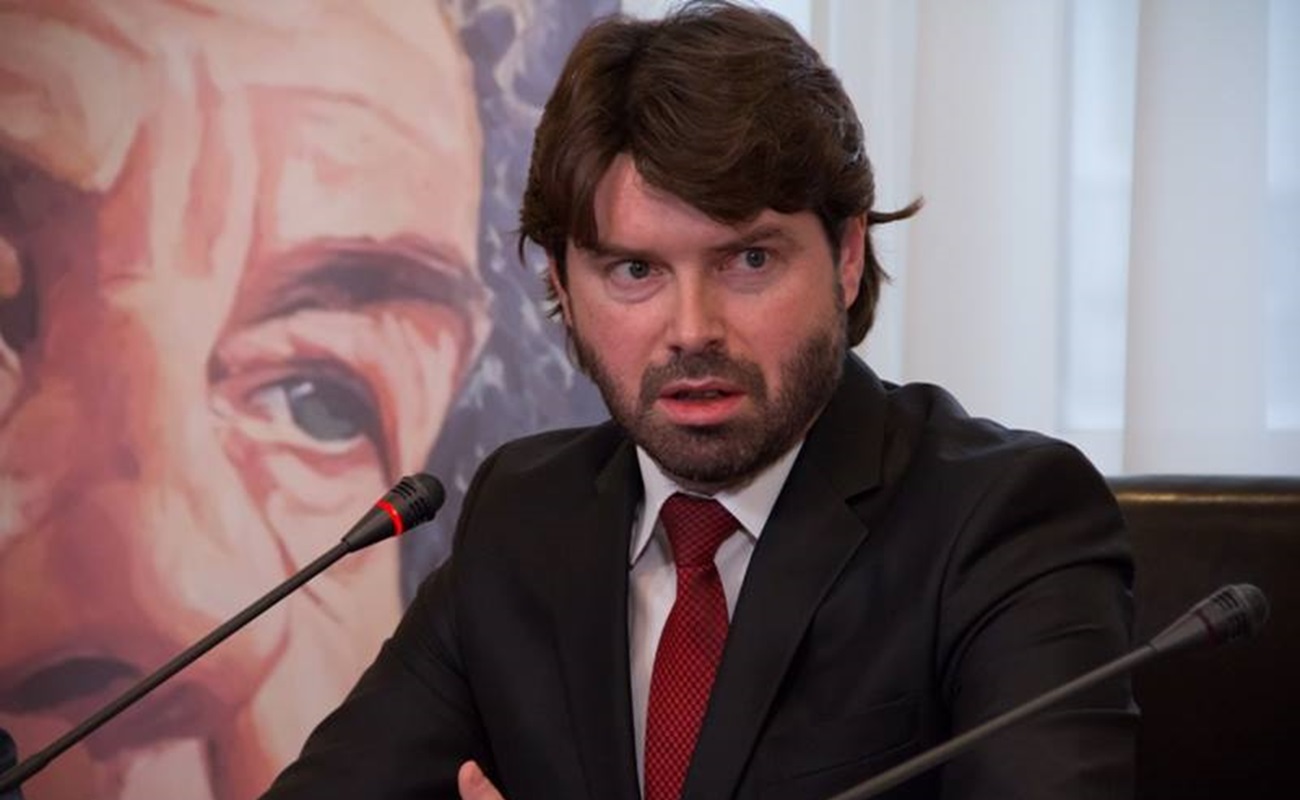
“Today it turns out that the only way to stop the war is to inflict a large number of counterstrikes on infrastructure inside Russia” — Mykhailo PodolyakThe situation remains tense, and future developments will hinge on multiple factors, including ongoing military operations and economic decisions.
This fuel deficit could severely hamper Russia's military capabilities, as reliable fuel supplies are critical for combat operations. Given the country's reliance on imports and the potential for further attacks on energy infrastructure, the crisis may escalate. This underscores the importance of energy security for both Russia and Ukraine, which could in turn shape the conflict's trajectory and the economic stability of both nations.
Read also
- Fedorov Dismissed as Defense Minister: Tensions with Syrskyi Behind the Decision
- Ukraine Overhauls Military Leadership: New Army Chief and Chief of General Staff Appointed by Zelenskyy
- European Allies Caught Off Guard by Ukraine’s Military Leadership Shake-Up
- Ukraine Ready for 'Peace with Dignity,' Zelenskyy Says: What We Know About the Talks
- U.S. Media Hails Drapatyi’s Appointment: What Ukrainian Troops Are Saying
- Ukraine’s Military Leadership Shake-Up: Drapaty Takes Over Armed Forces, Skybyuk Leads General Staff