Russia Sets Record in Gold Sell-Off: What It Signals for the Economy.


Russia’s Gold Sales: A Closer Look at the Current Situation
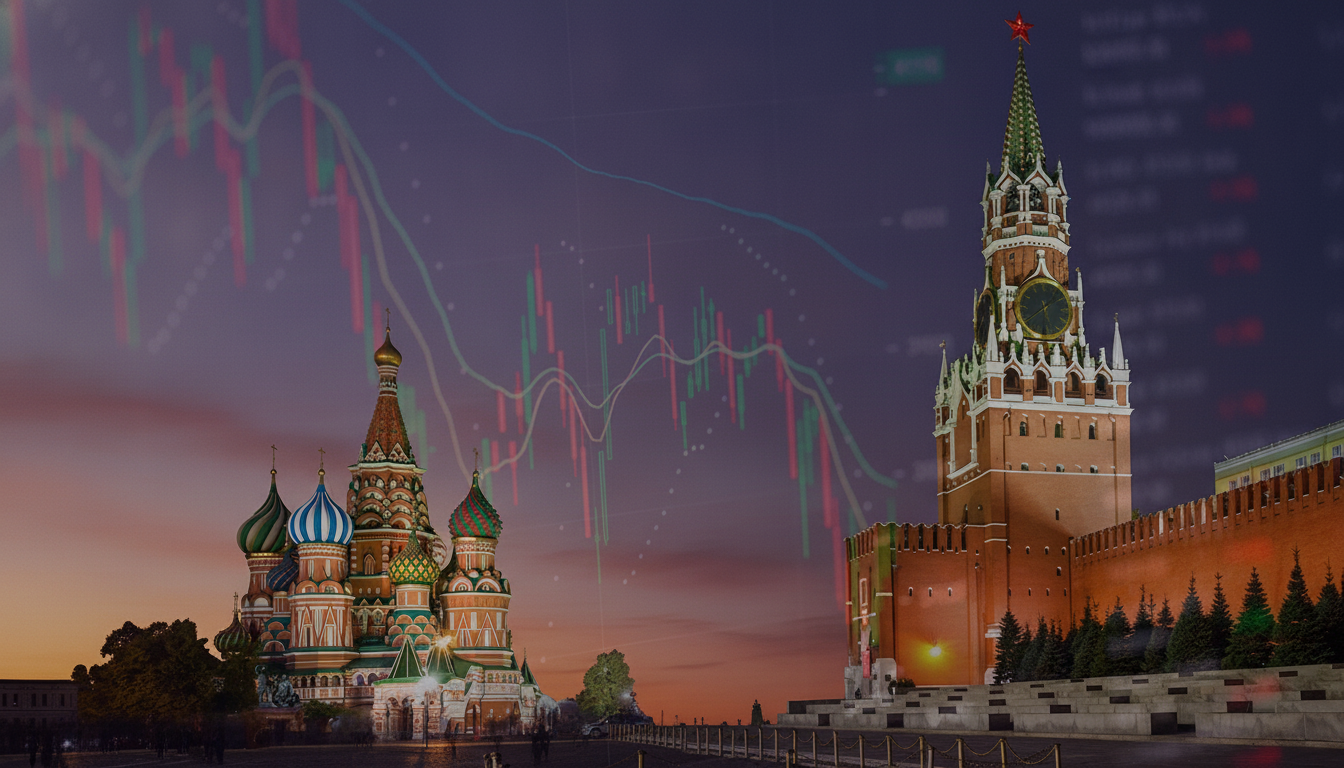
According to Espreso.tv: Russia has been offloading its gold and foreign currency reserves for six consecutive months, with sales hitting a historic high this month at 44 tons—the largest amount ever sold by the Russian Federation. This development has sparked concern among economists and analysts, as it carries serious implications for the nation’s economic health. For an English-speaking audience unfamiliar with the context, this sell-off comes amid ongoing international sanctions and volatile commodity prices that have pressured Russia’s finances.
Since the start of the year, the price of gold has dropped by 20%. This decline in the precious metal’s value reduces the revenue Russia earns from its gold sales, potentially worsening its financial outlook. By year’s end, Russia’s budget deficit is projected to hit $90 billion, raising alarms about the country’s fiscal stability.
Historical Parallels and Broader Implications
Looking back, large-scale gold sales are not unprecedented. Switzerland was the last country to fully abandon the gold standard for paper currency in the 20th century, marking a shift in global financial systems. Similarly, the United Kingdom sold 130 tons of gold in 1999 during what became known as 'Brown's Bottom,' a notable event in gold market history. These examples highlight how such moves often reflect broader economic pressures.
Russia’s current gold sell-off is a critical factor that demands careful scrutiny. It could have far-reaching consequences for the country’s economy, potentially undermining its financial stability as debt burdens grow. The shrinking gold reserves may also indicate the government’s efforts to find alternative funding sources to cover debts and maintain economic stability. This, in turn, could affect Russia’s foreign economic relations and investment climate—key considerations for assessing future developments.
Russia’s gold sales might signal severe financial difficulties the country faces amid international sanctions and falling commodity prices.
The reduction in gold reserves could further point to attempts by the government to seek alternative financing to manage debts and shore up economic stability. This scenario could reshape Russia’s external economic ties and investment landscape, factors that are crucial to monitor when evaluating the country’s trajectory.
Read also
- Putin’s Economic Claims Exposed as Manipulation by Ukraine’s Disinformation Center
- Rheinmetall to Double Gunpowder Output: What This Means for Ukraine
- Azerbaijan Steps Up as Europe's Energy Alternative: Gas Deliveries to Germany Already Underway
- IMF Demands Utility Rate Hikes as Naftogaz Debt Surges 63%
- 12 Red Flags for Shell Companies Identified by Ukraine's Central Bank: Banks Ordered to Scrutinize Importers
- Ukraine's Debt Surpasses $210 Billion: A Breakdown of Hourly Fluctuations