Five European Islands Where You Won't Find Crowds: Authentic Charm and Untamed Nature.

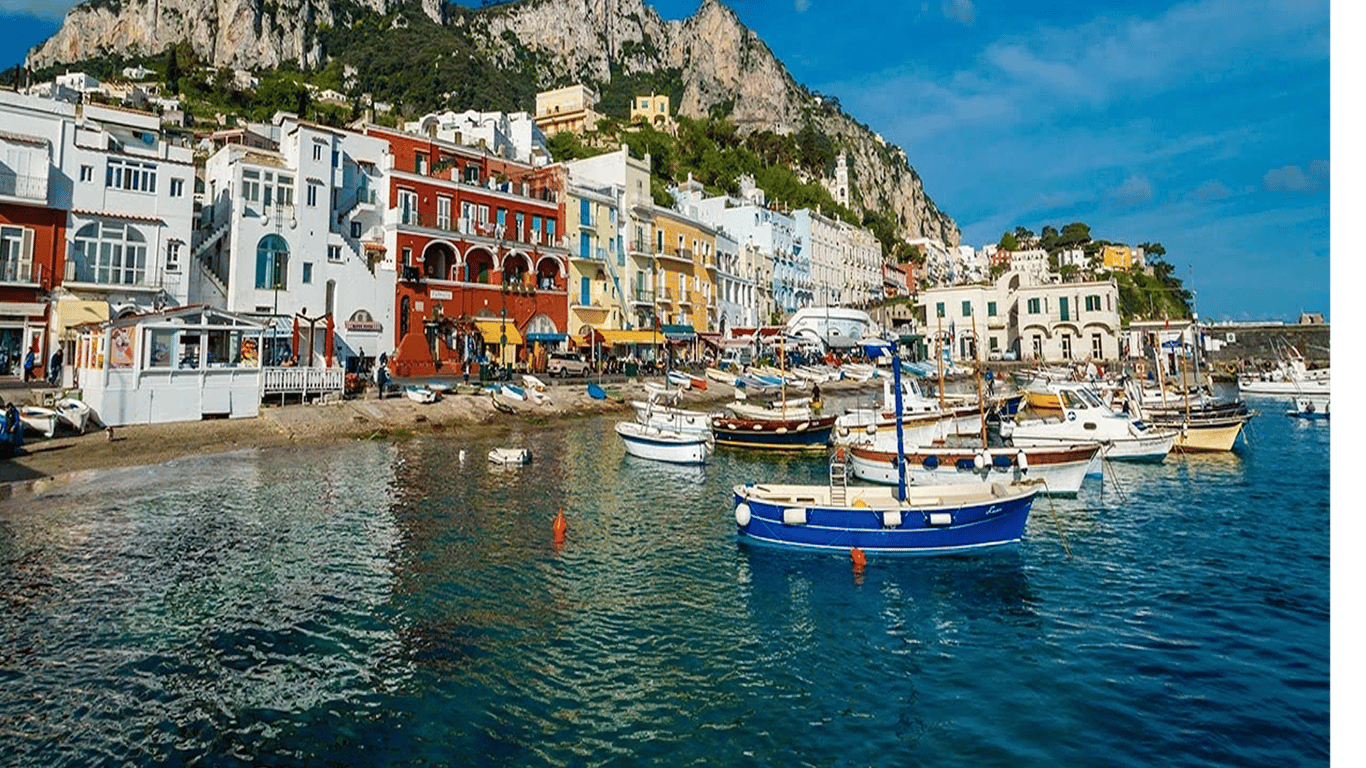
Hidden European Islands with No Tourist Crowds
According to Novyny.live: Across Europe, numerous islands have managed to preserve their genuine character and local feel, far removed from the bustle of mass tourism. Among them, five stand out for drawing travelers with their natural beauty and unique culture. Meanwhile, Venice has announced it will introduce a tourist fee—a development worth noting for anyone planning a European trip.
Aegina, Greece
Located just a short distance from Athens, this island is perfect for those seeking tranquility and authentic Greek tavernas. It is known for its port and the ancient Temple of Aphaia, adding cultural depth to the destination.
Bornholm, Denmark
This island impresses with dramatic cliffs and pine forests. Its limited transportation options make it even more appealing for visitors who want to escape the crowds. Bornholm’s natural landscapes are stunningly beautiful and peaceful.
Île d'Oléron, France
Situated off the coast of Brittany, this island is famous for its markets and small harbors. It reflects an authentic French way of life and offers a retreat in the atmosphere of traditional villages.
Ponza, Italy
With its towering cliffs and coves, Ponza is a hard-to-reach island that lends it a special charm. Travelers can enjoy natural beauty and seclusion in this part of Italy.
Illa de Arousa, Spain
This is the only island municipality in Galicia. The island captivates with its small fishing villages, where you can experience the true spirit of local culture and daily life.
In closing, Venice will once again charge tourists a fee. This measure aims to reduce pressure on the city and preserve its uniqueness for future generations. Thus, both Venice and these European islands are striving to maintain their authenticity in a world of mass tourism.
The efforts by Venice and other European islands reflect a global shift toward sustainable tourism, emphasizing the preservation of cultural and natural heritage. The introduction of tourist fees in Venice could serve as a model for other popular destinations facing overcrowding and the need to protect their unique features. These changes may significantly shape the future of tourism in Europe, encouraging travelers to seek out new, lesser-known places for their vacations.
Read also
- What to Do If You Miss Your Train Due to an Air Raid: Ukrzaliznytsia’s Guidelines
- Tighter Boarding Rules from Ryanair and Wizz Air: What Travelers Need to Know
- LOT Polish Airlines to Launch Warsaw–Tromsø Route: Start Date and Flight Schedule Revealed
- Scenic Railway from Skagway to Yukon Launches Its Summer Season
- 2026 Velvet Season: Affordable Beach Destinations and Their Prices for Ukrainian Travelers
- June saw over 2.6 million Ukrainians cross the western border, marking a seasonal surge