Air-conditioning and refrigeration is a growing industry with hot prospects.

Opportunity in the cooling sector
According to The Sun: This week, the UK celebrated one of the hottest August bank holidays. So, shouldn't we pay attention to one of the lesser-known but important sectors in the country?
The demand for air conditioning and refrigeration is steadily rising, with over 40,000 people already working in this field.
There are around 5,000 companies in the country specializing in cooling systems, air conditioning, and heat pumps (RACHP). However, this area does not receive wide publicity.
“Cooling is one of the most important sectors you probably never thought about,” says Lisa-Jane Cook, President of the Institute of Refrigeration.
“From preserving our food to powering medical equipment, cooling technologies are fundamental to modern life.
“It’s an exciting, practical career with opportunities to travel, solve problems, and work on modern sustainable technologies.”
This sector has openings for maintenance, repair, and installation, as well as positions in design, consulting, sales, and wholesale.
Work experience and career opportunities
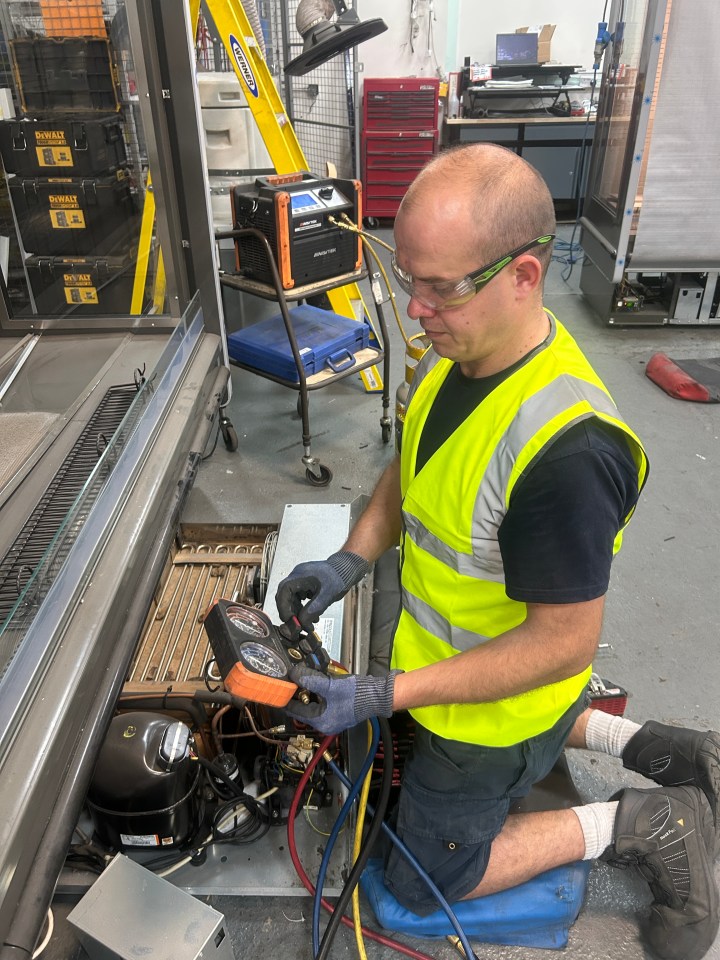
Tom Vieck, 38, works as a refrigeration engineer at Lowe Rental, which supplies cooling systems for events such as Formula 1, the Glastonbury festival, and Wimbledon, as well as for well-known retail chains.
“I’m a practical person and love solving problems, so becoming a refrigeration engineer seemed like a great way to enhance my skills and build a career that I would truly enjoy.”
“Entering this industry is not easy, and it takes a lot of effort to become a refrigeration engineer.
“When I started my course, there were 28 of us, and only six completed the level 3 training three years later.”
“It requires a combination of practical skills and the ability to understand quite complex theory.”
“My advice? Get as much practical experience as you can during your training, as it makes the process much clearer.”
“And, if possible, find great mentors. If you enjoy repairing things, learning new skills, and aren't afraid to get your hands dirty, this career is a great fit for you.”
The RACHP sector makes a significant contribution to the UK economy, generating at least £2.4 billion annually.
Climate change is only increasing the demand for cooling worldwide, so the UK is becoming one of the leading countries in achieving net-zero carbon emissions and sustainable systems, including using artificial intelligence to enhance cooling efficiency.
Even heat pumps depend on cooling technologies, so professionals trained to work with low-emission and energy-saving systems have many opportunities.
The demand for highly qualified AI design engineers to create more efficient cooling systems is also growing.
“Whether you’re just starting or looking for a career change, cooling offers a real purpose, high income, and job stability in a changing world,” adds Lisa-Jane.
Career opportunities
Let’s find the best path for you! There are many directions in the field: from apprenticeships to T-Levels and university diplomas.
- Not all roles are engineering-related. There are also opportunities in sales, marketing, and business management.
- Your pursuit of professional development will pay off. In such a dynamic field, it’s important to constantly update your knowledge, so you will always be in demand.
- Registering with the Engineering Council will help you stand out from the crowd. It is a sign of professionalism and commitment as an engineer.
- Network: this is a friendly and supportive industry, so networking with others can help open new opportunities and keep you in touch with new technologies. Membership in a professional body, such as the Institute of Refrigeration, is a great way to stay informed.
The importance of technology
Small construction companies can create a reliable future through a new IT course. Award-winning construction trainer Maria Coulter invites 1,000 small construction companies to join the free course 'Technology Solutions for Small Builders'.
The course covers tips for choosing the right technologies—from AI assistants to project management systems, as well as recommendations for customer relationship and workflow management.
“Understanding IT can be the difference between success and failure,” Maria notes.
“Think of it as a toolkit in IT. You wouldn’t go without a hammer or screwdriver, so I want small builders to consider IT as an extension of their tools.”

How to spot fake job listings
At the beginning of September, there is traditionally a spike in job listings as new graduates enter the job market and workers look to change careers after the summer. However, this is also a ripe time for fraudsters who use fake job ads to obtain your personal data.
Oscar Rodriguez, Vice President of Trust at LinkedIn, provides several tips on how to ensure your safety when applying:
- Fraudsters may behave suspiciously or unprofessionally. Unsolicited messages, too-good-to-be-true offers, unclear job descriptions, or poor grammar—these can all be signs of fraud.
- Be wary of unreliable or strange offers or services.
- Fraudsters often use fake social media profiles that are practically inactive. Ask yourself: is this person in your network? Do they have a photo, followers, and meaningful connections?
- If you’re job hunting on LinkedIn, fraudsters may try to lure you off the platform. Be cautious if you’re asked to move to another site or continue the conversation elsewhere, such as in a messenger. Genuine opportunities typically stay on professional platforms.
- Fraudsters usually don’t go through verification. Look for signs of trust in the service. Is the person or organization verified on LinkedIn? The verification badge indicates that certain information about the organization or professional has been confirmed.
Read also
- Facing Diesel Shortages, Russia Bans Exports and Turns to Imports for the First Time
- Kyrgyzstan Scrambles for Fuel as China and Belarus Step In to Replace Russia
- UDP Leadership Accused of Asset Theft: Losses Hit $7 Million
- Russia Faces Fuel Crisis: Putin Admits Shortages as Moscow Prepares to Import Petroleum Products
- Half a Million Bankruptcies in One Year: Russia’s Economy on the Brink of Collapse
- Defense Forces Strike Halts Key Russian Refineries: Fuel Shortage Expected to Hit 30,000 Tons