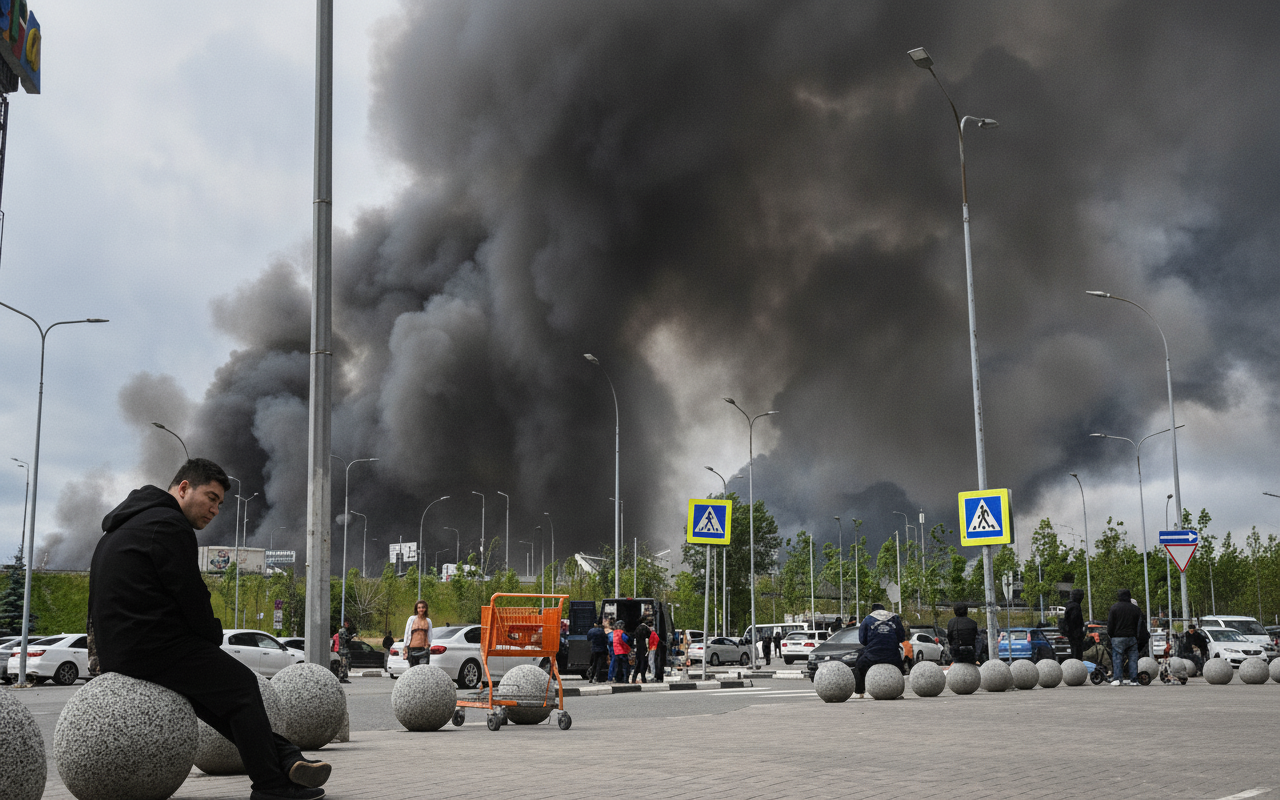
Kyrgyzstan Scrambles for Fuel as China and Belarus Step In to Replace Russia.

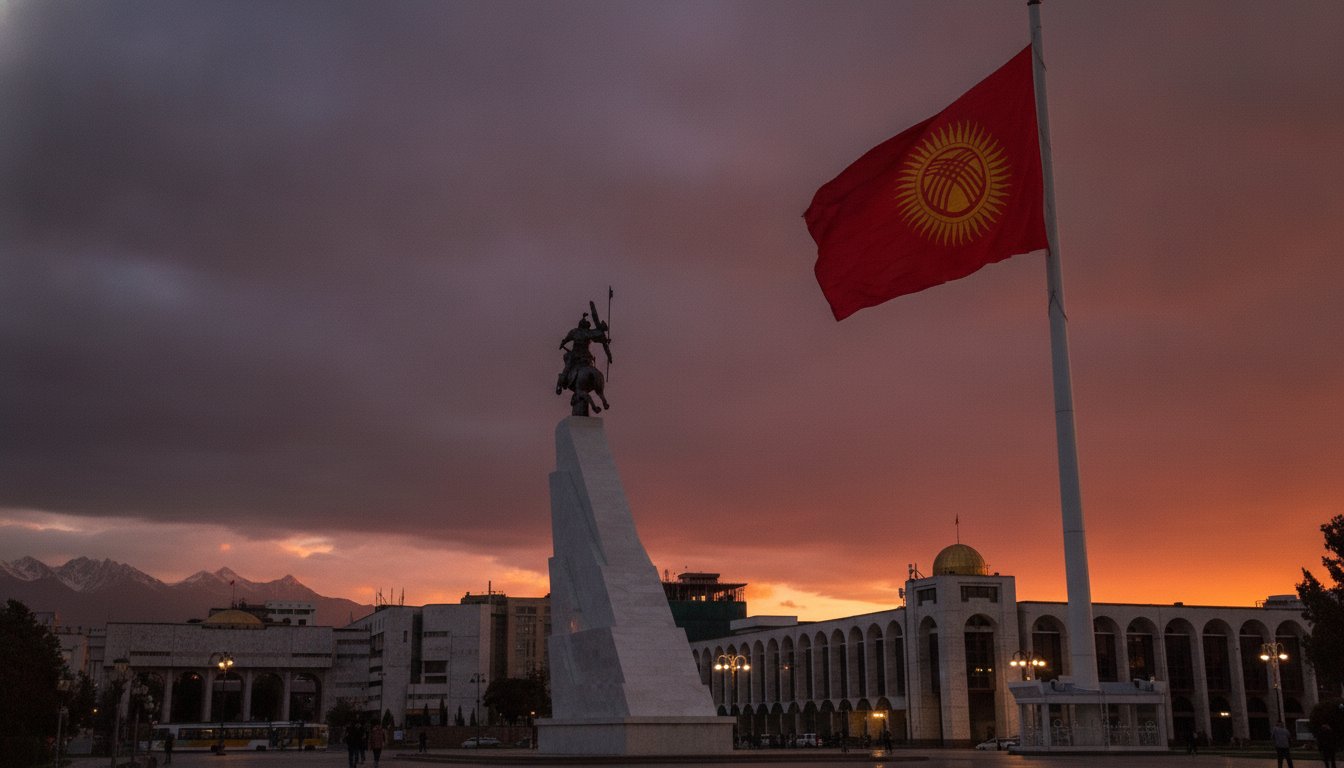
Fuel Supply Crisis in Kyrgyzstan
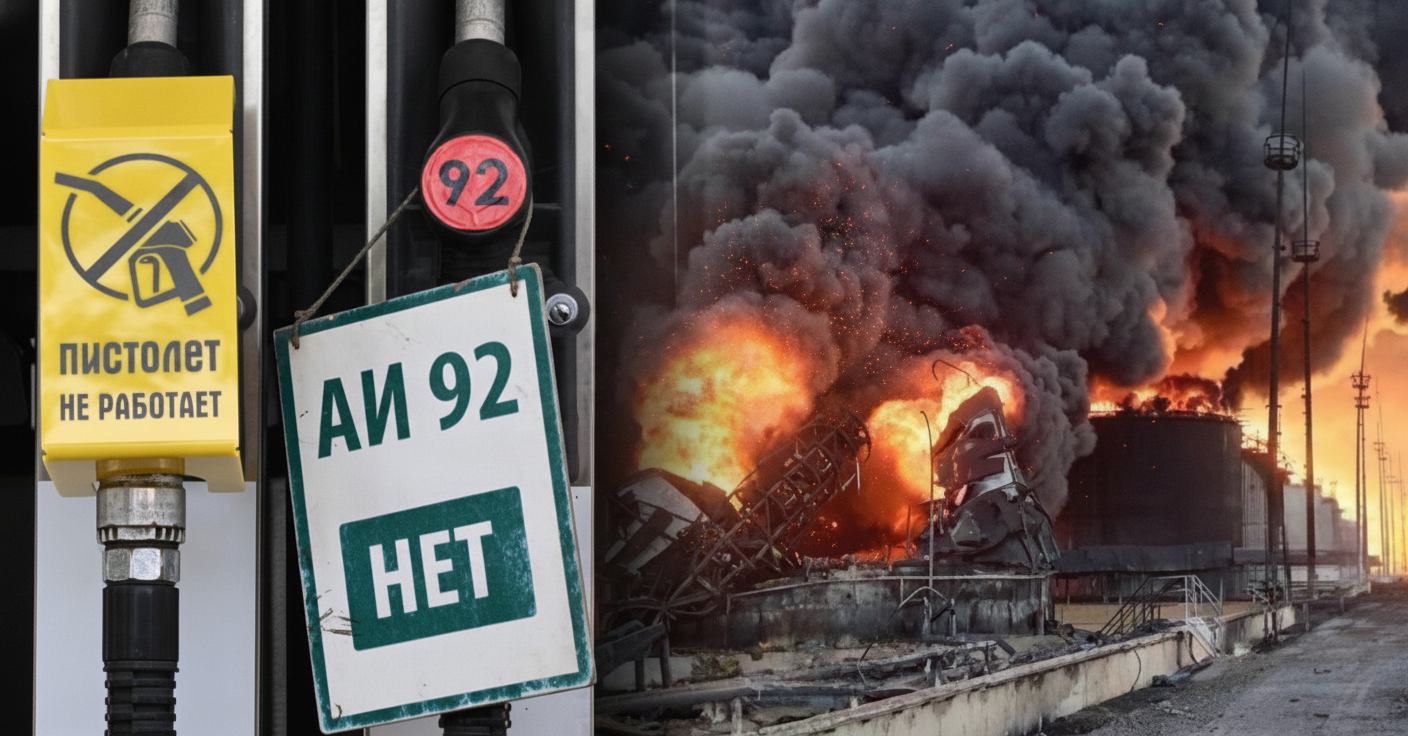
According to UATV: Kyrgyzstan is facing a severe fuel shortage after Russia, its primary supplier, reduced exports. Over 90% of the country's gasoline comes from Russia, but a domestic fuel crunch in Russia since late May 2023 has disrupted deliveries to Kyrgyzstan. In response, Kyrgyzstan is now turning to alternative sources to stabilize its market.
By late June 2023, the Kyrgyz Association of Oil Traders reported a shortage of A-95 and A-98 gasoline grades. To address this, the government has accelerated talks with new suppliers. China has agreed to deliver 3,000 tons of aviation kerosene, and negotiations are underway for an additional 5,000 tons of diesel from the same source. These shipments from China are expected within 10 days.
Negotiations with Alternative Suppliers
Kyrgyzstan also anticipates receiving roughly 10,000 tons of diesel from Belarus, with potential delivery in 15–20 days. The Ministry of Energy has reached out to Kazakhstan, Belarus, Azerbaijan, Uzbekistan, and Turkmenistan for help tackling the fuel deficit. Kazakhstan's Deputy Minister of Energy, Kaiyrkhan Tutkyshbaev, confirmed that the issue of exporting oil products to Kyrgyzstan will be reviewed shortly.
On July 8, 2023, Ukrainian President Volodymyr Zelensky announced sanctions targeting Russia's Saratov region, Tatarstan, and Bashkortostan, which could further impact regional fuel supplies. Amid these developments, Daniyar Amangeldiev stated:
We expect deliveries from China within 10 days, and from Belarus possibly within 15–20 days.
The fuel crisis highlights Kyrgyzstan's heavy reliance on Russian oil products and the urgent need to diversify its import sources. The ongoing talks with China and Belarus reflect the country's efforts to find alternative solutions for domestic demand. These steps could have long-term implications for Kyrgyzstan's energy security, especially given shifting global oil markets and regional geopolitical instability.
Read also
- Zelenskyy Holds Over 20 Talks in Ankara, Secures €70 Billion NATO Commitment
- Experts demand a transparent competition for the director as part of DBR reform
- NATO Declares Russia the Primary Adversary as Ukraine's Military Gains Drive Peace Talks Forward
- The Return of Nationalism: Why Vynnychenko’s Ideas Resonate Again in Ukraine and Poland
- Ukraine to Receive License for Patriot Missile Production, Zelenskyy Announces at NATO Summit
- Patriot missile technology transfer to Ukraine agreed by Zelenskyy and Trump in Ankara