Ukraine Disrupts Russia’s Largest Oil Refinery and Targets Shadow Fleet: Escalating Pressure on Moscow’s Energy Sector.

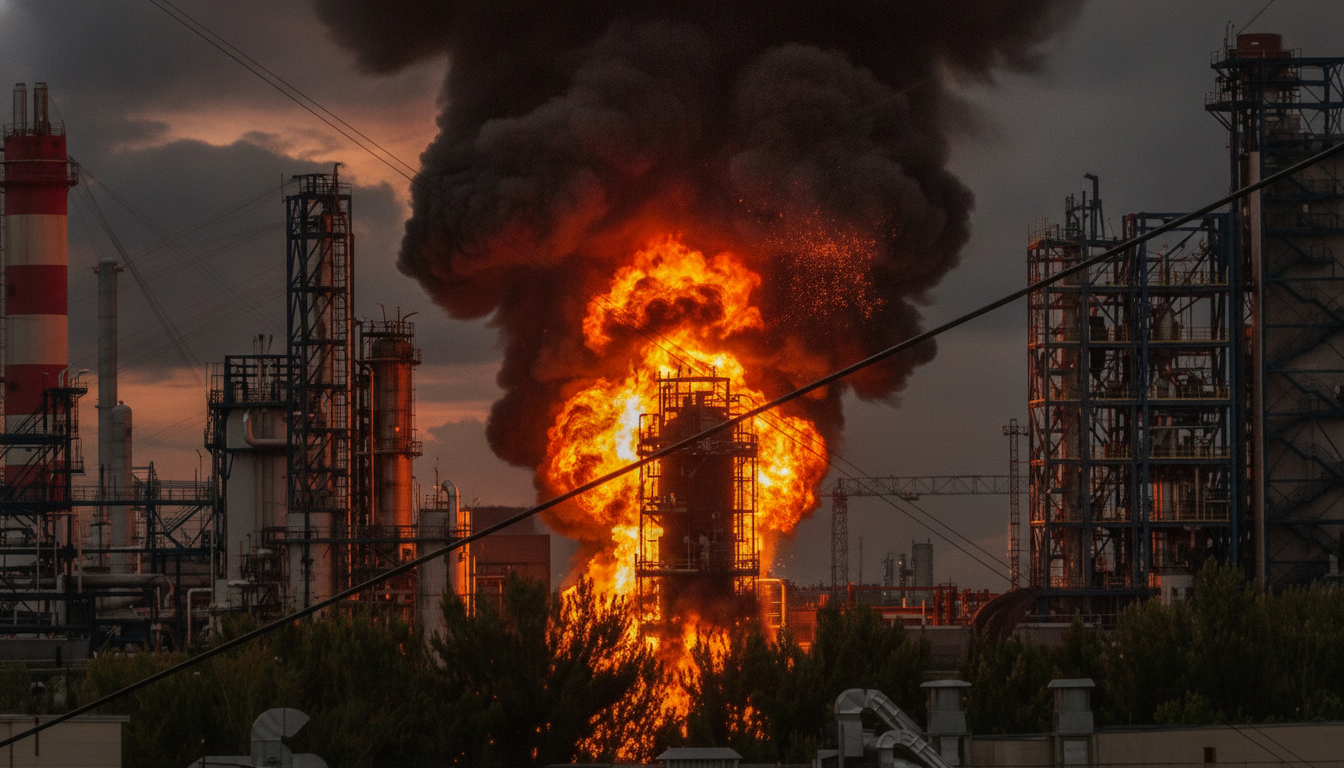
Omsk Refinery Shutdown
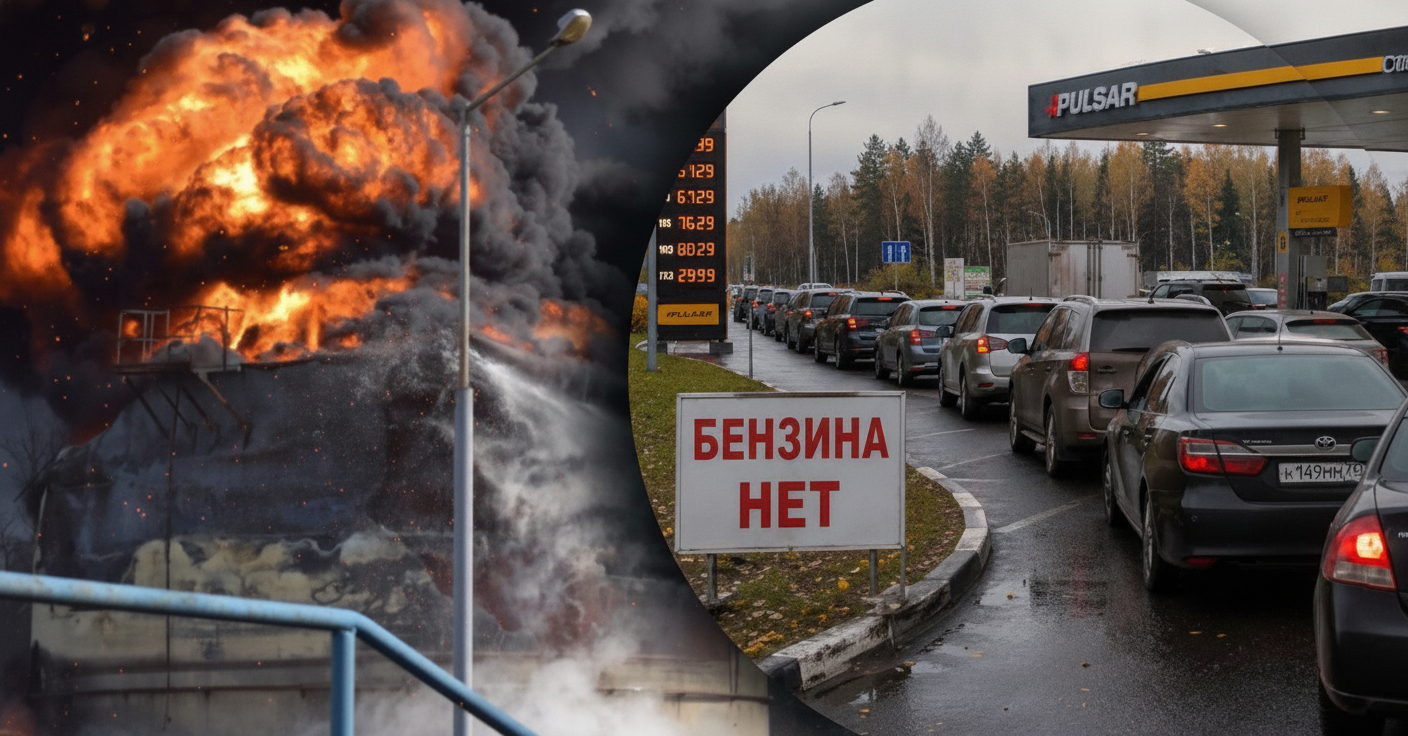
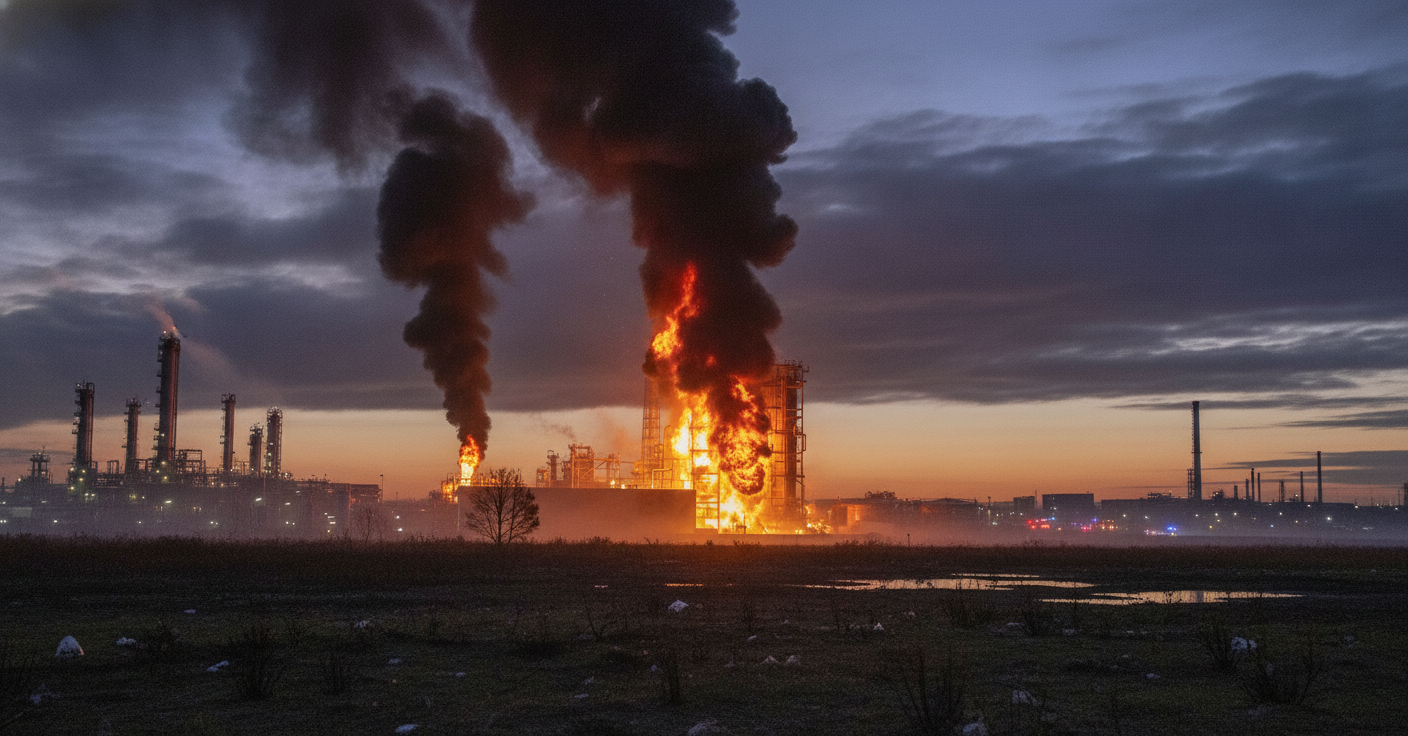
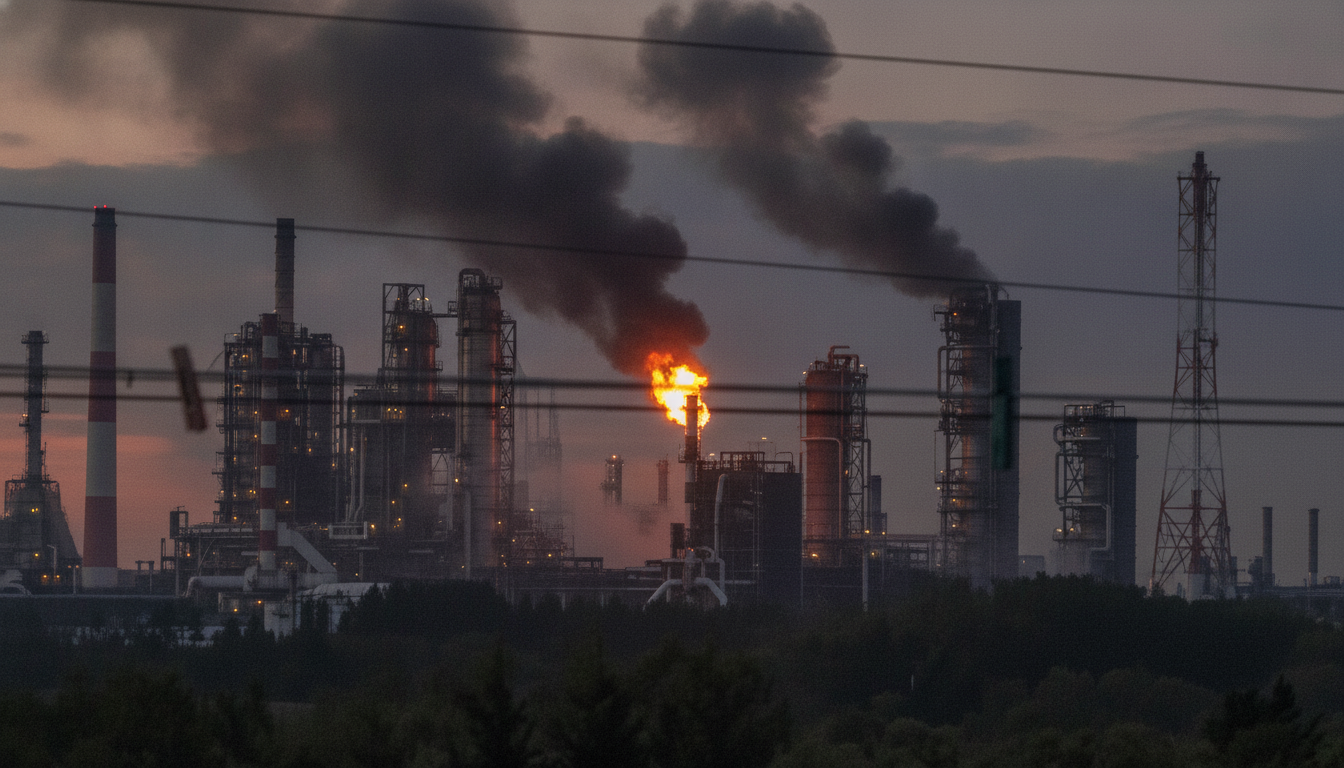
According to UATV: Ukraine’s drone strikes forced a halt at Russia’s largest oil refinery, the Omsk facility, as confirmed by satellite imagery. This plant processes 21 million tons of crude annually. The attacks have slashed Russia’s overall crude processing to 4.1 million barrels per day. Analysts estimate that Russia has already lost between 40% and 43% of its refining capacity.
Naval Blockade and Ukraine’s Response
In addition, Ukrainian forces struck eight tankers belonging to Russia’s shadow fleet in the Sea of Azov, which were intended to deliver fuel to Crimea. This effectively creates a physical blockade on Russia’s maritime oil exports, threatening the revenue that finances its war against Ukraine. In response to these developments, Ukraine’s president stated:
'We have moved into the aerial domain. And in the air, we are already competitive.' President of Ukraine
Notably, in mid-2023, Russia imported 60,000 tons of gasoline from India—a sign of its efforts to offset domestic refining losses. However, given recent events, such measures may prove insufficient. Expert Vyacheslav Potapenko warns:
'Turkey still has a chokehold on Russia: the straits of the Bosporus and Dardanelles, through which tankers export Russian oil.' Vyacheslav Potapenko
Russia’s oil market remains under severe strain, with serious implications for its ability to fund the conflict in Ukraine. The combination of reduced refining capacity and a maritime export blockade is intensifying economic pressure on Moscow, likely prompting new strategic moves from the Kremlin. At the same time, Ukraine’s proactive strikes demonstrate its capacity to counter aggression by targeting the enemy’s vital economic resources.
Read also
- Russia’s Oil Exports Hit Record Highs, but Revenues Shrink as Urals Prices Plummet
- Fuel Shortage Drives Record Search Spike: Russians Desperately Google 'How to Make Gasoline'
- Strike on Russia’s Largest Oil Refinery Raises Fears of Fuel Shortages
- Ukrainian drones halt Russia's largest oil refinery, worsening gasoline shortages
- Over 1,000 New Weapons Systems Fielded by Ukraine, with 90% Domestically Produced
- Russia's Fuel Crisis: Government Spins Negative Impacts as Benefits for Citizens