How to Choose Delicious Mandarins: Experts Share Key Signs.

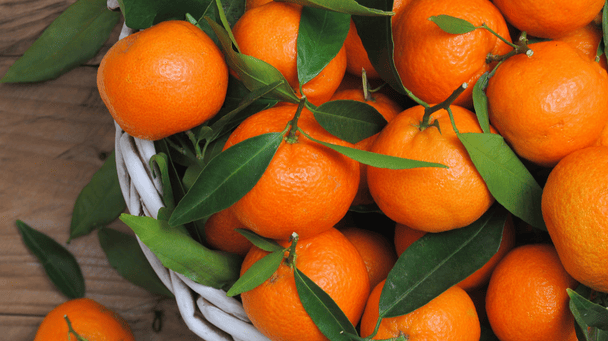
According to ТСН: With the onset of winter cold, stores fill with bright citrus fruits, creating a special atmosphere. However, choosing mandarins can be tricky: behind an attractive appearance, sour or dry segments sometimes hide.
Experts advise paying attention not only to the aroma but also to the country of origin of the fruit. The geography of cultivation significantly affects the sweetness, ease of peeling, and the number of seeds in mandarins.
Taste Geography: Where Mandarins Come From
The country of origin is the first indicator that will help understand what to expect under the skin even before peeling the fruit.
Abkhazian mandarins are considered some of the sweetest and practically seedless. They are easily recognized by their fluffy skin, which is slightly larger than the fruit. They peel quickly, but due to their 'airiness', they spoil quickly and are difficult to transport, so sellers are cautious with large batches of this variety.
Moroccan fruits are usually sweeter than Abkhazian ones but contain many seeds. They can be easily identified by a black diamond-shaped sticker. These mandarins have a rich taste and juicy pulp but are generally more expensive than other options.
Turkish mandarins are characterized by a slight sourness. They have light orange or yellow skin that tightly hugs the segments. It's important to be prepared for the fact that there may be many seeds inside.
Chinese citrus appears on the market first. Sometimes they are mistaken for Abkhazian ones, but Chinese mandarins are often sold with leaves. Despite their appearance, they can disappoint: the skin is difficult to remove, the pulp can be dry, and the taste is sour.
Israeli mandarins arrive later than other varieties. They contain many seeds and have thick skin but are distinguished by a large amount of juice, making them a better option for making fresh juice rather than desserts.
How to Choose the Best Fruits at the Counter: Practical Tips
In addition to the country of origin, it is worth paying attention to the physical characteristics of each mandarin.
A ripe and juicy fruit is usually heavier for its size — this indicates that there is a lot of juice inside.
The skin of sweet varieties is usually rough or fluffy, rather than perfectly smooth.
A light mandarin is likely starting to dry out.
Be sure to smell the fruit: a quality mandarin has a bright aroma, and its absence often indicates a bland taste.
When gently pressed, the fruit should be firm — if it feels moist, it's a sign that the mandarin is starting to spoil.
Consumers can use these tips to enjoy juicy and delicious mandarins during the winter holiday season. Making the right choice will not only satisfy tastes but also bring great pleasure from consuming this popular fruit. We wish you success in finding the best mandarins!
Read also
- Kyiv Region Braces for a Warm June 11: Temperatures Set to Reach +28°C
- A Simple Zucchini and Eggplant Stew Recipe from 'Tasty Bites'
- A Festive Drink Made from Tea Rose Petals: An Easy Recipe for Your Holiday Table
- A Surprising Twist on Crab Stick Salad: One Unlikely Ingredient Transforms the Flavor
- Unique Venus-Jupiter Conjunction: One Zodiac Sign Gets a Rare Opportunity Until June 14
- Short Nails Look Longer with the Italian Manicure: How This New Beauty Trend Works