4 Simple Substitutes for Rice Vinegar in Sushi and Salads.

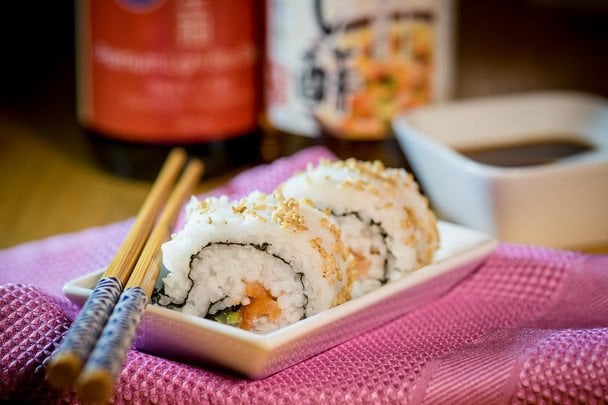
Rice Vinegar Substitutes
According to TSN.ua: Rice vinegar is a staple in Japanese cooking, essential for traditional dishes like sushi. It is produced in Japan from fermented rice wine, water, and koji starter culture. Its mild, pleasant flavor comes from an acidity level typically between 4% and 5%. If you find yourself without it, numerous culinary alternatives can be used to achieve a similar effect.
Popular Substitutes
- Apple Cider Vinegar: A popular substitute with an acidity of around 5%. For seasoning 500g of dry rice, a common blend is 4 tablespoons of apple cider vinegar, 1 tablespoon of sugar, and 1 teaspoon of salt. This mixture is excellent for creating dishes reminiscent of traditional Japanese flavors.
- White Distilled Vinegar: With an acidity ranging from 6% to 9%, this is another viable alternative. To replace rice vinegar in recipes, use 1 tablespoon of 9% vinegar, 3 tablespoons of water, 2 teaspoons of sugar, and half a teaspoon of salt. This simple formula provides a comparable taste profile at a low cost.
- White Wine Vinegar: Featuring an acidity of about 6-7%, this is another option. For a dressing for 500g of rice, you can use the juice of one large lemon (4-5 tablespoons), 1.5 tablespoons of sugar, and 1 teaspoon of salt. This alternative imparts elegance and freshness to dishes.
- Exotic Options: Ingredients like champagne vinegar or mirin can also add unique flavor notes to your meals.
Experimenting with various vinegar substitutes opens up new possibilities for culinary creativity, allowing you to achieve the desired taste in your cooking. Therefore, even without rice vinegar on hand, food enthusiasts can find alternatives to meet their needs.
Understanding different rice vinegar substitutes is valuable not only for home cooks but also for professional chefs aiming to adapt traditional recipes to modern contexts. This knowledge is also crucial for restaurants that wish to maintain dish authenticity while managing ingredient costs or catering to specific customer requirements. The global rise in popularity of Japanese cuisine underscores the importance of having access to quality ingredients like rice vinegar and their suitable replacements.
Read also
- The Secret Ingredient That Transforms Ordinary Cutlets into Juicy Perfection
- 30-Minute Baked Zucchini: A Simple Recipe from 'Kitchen with Marina'
- A Quick and Easy Salad with Young Cabbage and Radishes for Lunch or Dinner
- Jeans That Secretly Make You Look Heavier: Who Should Avoid Them
- 30-Minute Potato Dough Pies with Cheese and Ham: A Quick Family Recipe
- Chocolate Cake with Nut Caramel: A Recipe from Gospodynka