The Secret to Tender Pork Rind: Why Pre-Boiling Is Essential.

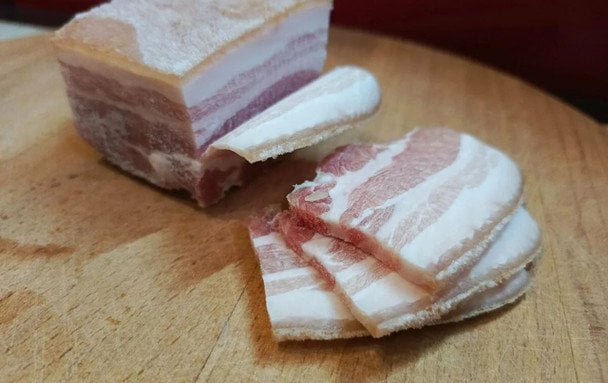
Preparing Pork Fat for Curing
According to TSN.ua: To achieve the desired texture and flavor in cured pork fat (salo), it is crucial to soften its tough rind beforehand. A preliminary boiling of the fat's underside is the recommended method for this purpose. This traditional preparation is a key step in Eastern European cuisine for creating a more palatable product.
The required cooking time varies significantly depending on the age of the pork:
- For young pork, a brief 5 minutes is sufficient.
- For tougher, older cuts, the boiling process may need to extend up to 20 minutes.
This pre-boiling step greatly increases the rind's elasticity, making the subsequent salting process easier and more effective. It is important to note, however, that salo which has been pre-boiled should only be stored in the freezer to preserve its quality and prevent spoilage.
Alternative Methods for Softening the Rind
An alternative technique for tenderizing the rind involves the use of baking soda. While this method can also be effective, special care must be taken if a dry-curing method is used after the rind has been in contact with water. Adhering closely to all preparation guidelines is essential for achieving the best possible outcome.
In summary, to ensure a soft rind on your cured pork fat, you must either pre-boil it or apply baking soda. Both methods will facilitate a successful curing process.
Understanding the correct preparatory techniques for salo can dramatically improve the quality of the final product. Methods like pre-boiling and using baking soda yield a more tender texture, making the fatback more appealing to eat. This knowledge is particularly valuable for those interested in home preserving or preparing traditional dishes where texture is paramount.
Read also
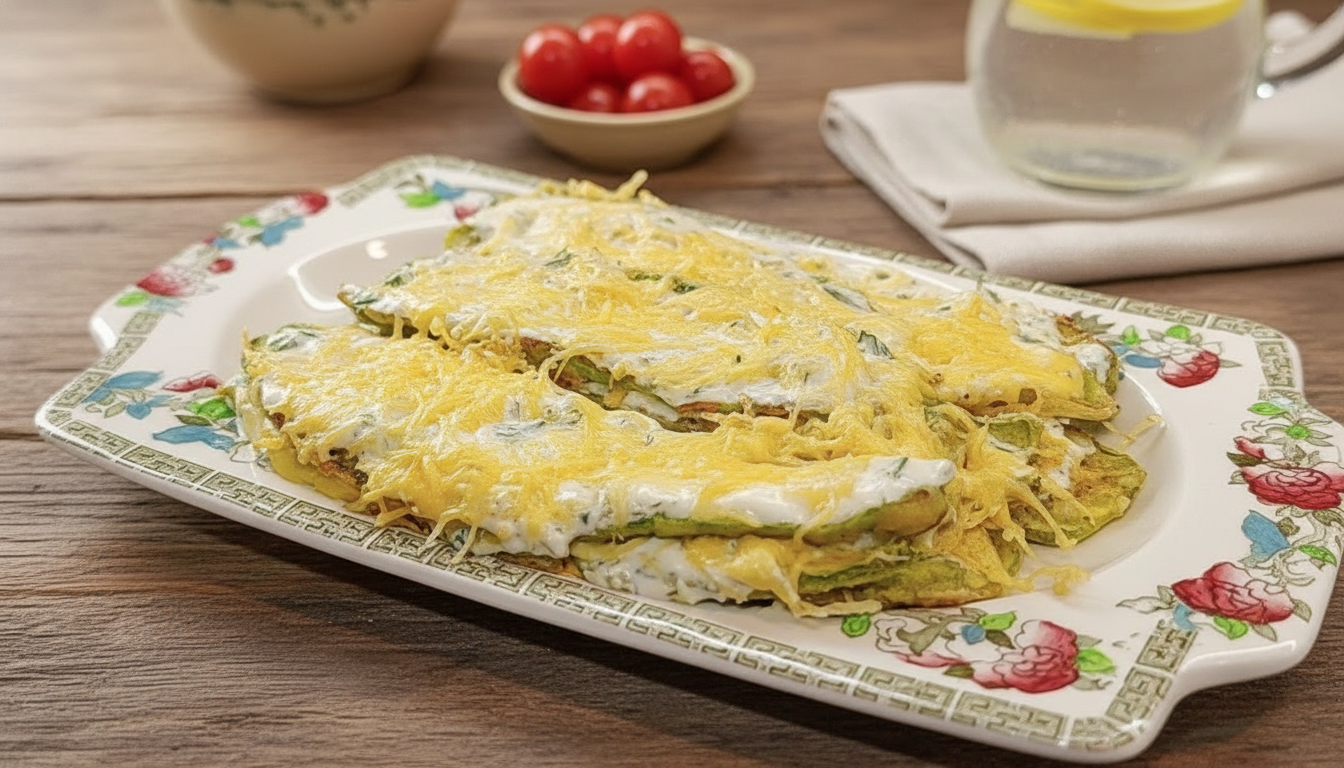
- 30-Minute Baked Zucchini: A Simple Recipe from 'Kitchen with Marina'
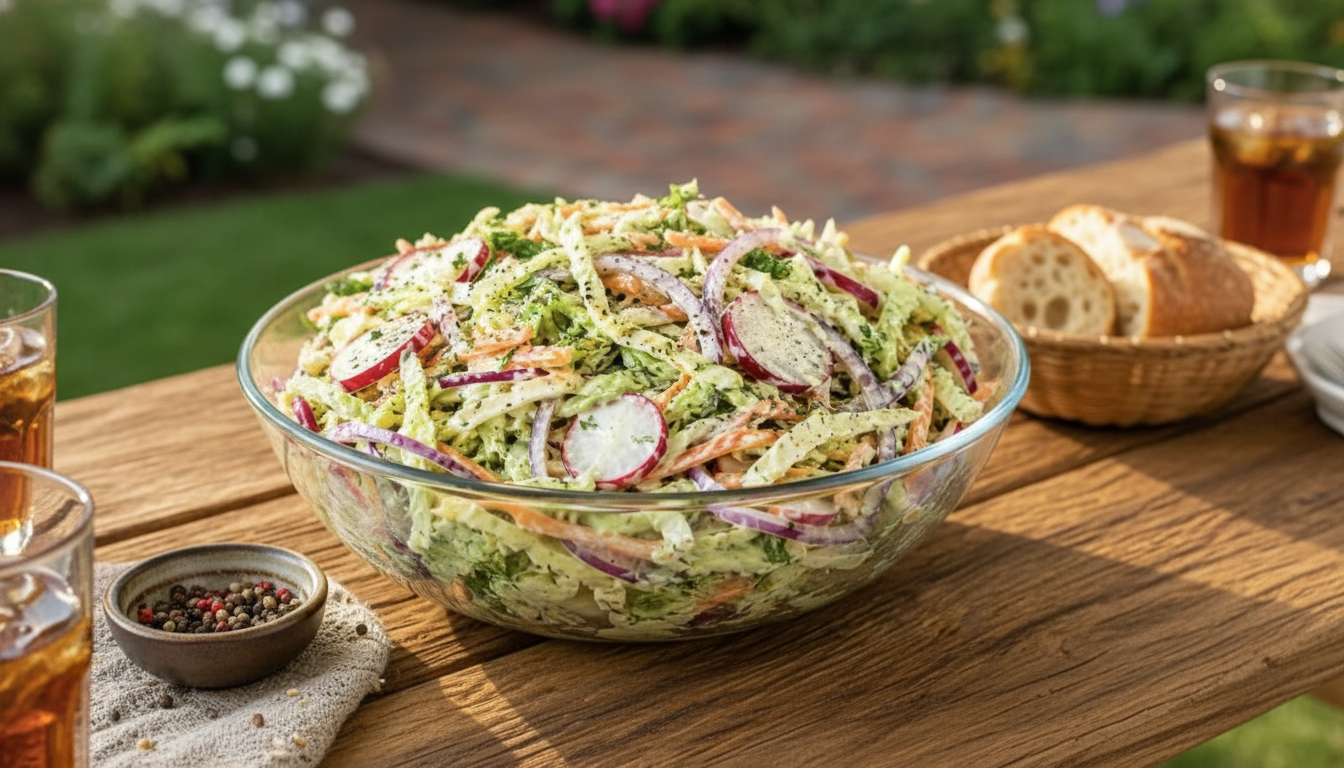
- A Quick and Easy Salad with Young Cabbage and Radishes for Lunch or Dinner
- Jeans That Secretly Make You Look Heavier: Who Should Avoid Them
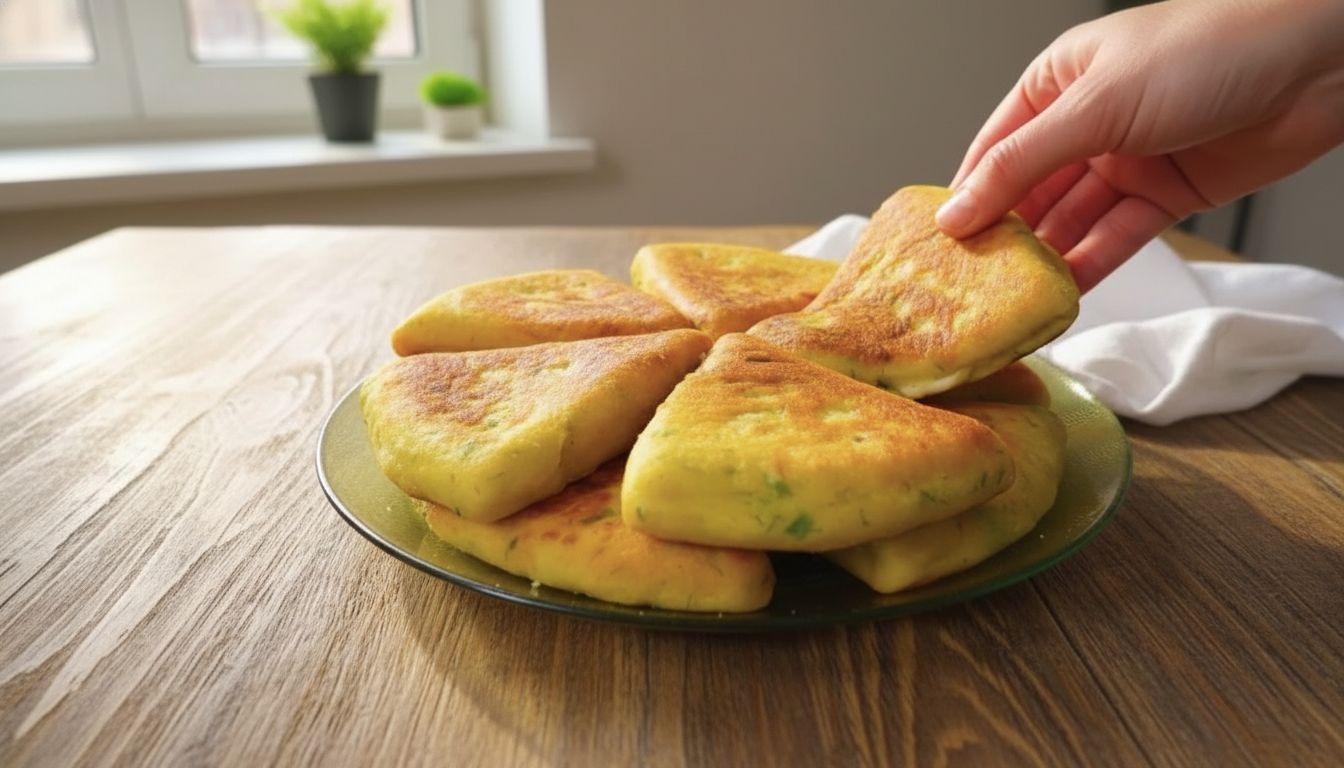
- 30-Minute Potato Dough Pies with Cheese and Ham: A Quick Family Recipe
- Chocolate Cake with Nut Caramel: A Recipe from Gospodynka
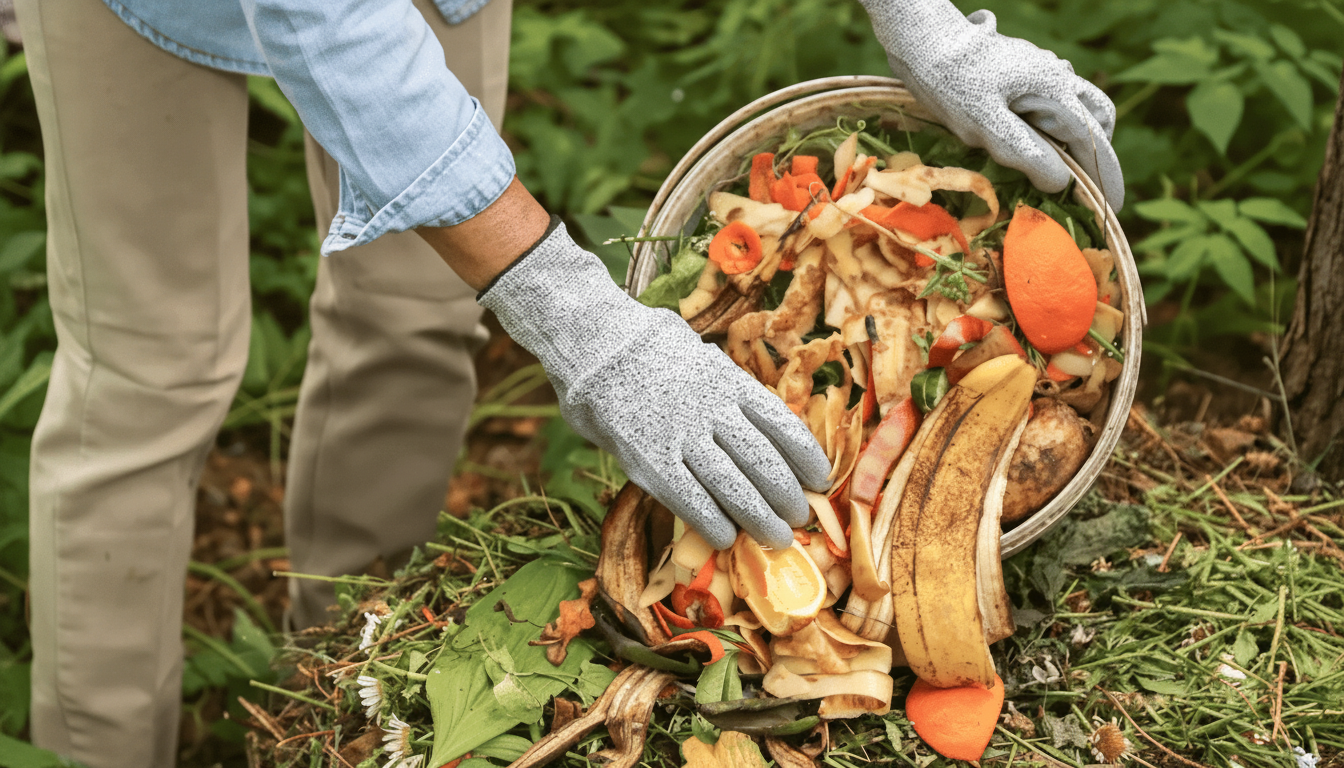
- 5 Key Composting Mistakes That Prevent Decomposition and How to Fix Them