Japan Deploys Officers to NATO Command for the First Time to Support Ukraine.

A New Chapter in Japan-NATO Relations
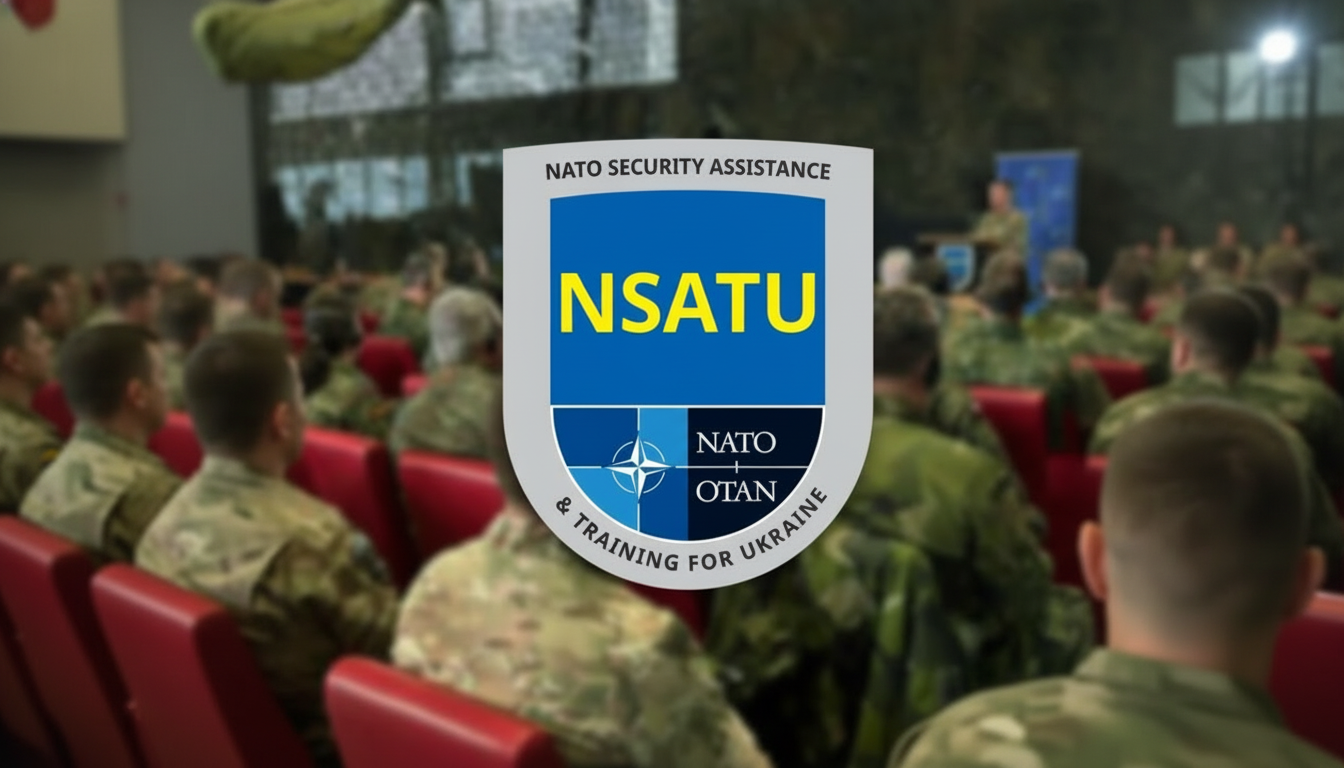
According to UATV: On May 29, 2026, Japan’s Ministry of Defense announced a historic move: for the first time, officers from the Japan Self-Defense Forces will be assigned to a NATO command to help coordinate aid for Ukraine. Four officers will be sent to the NATO Security Assistance and Training Organization for Ukraine (NSATU), headquartered in Wiesbaden, Germany. This decision marks a significant shift in Japan’s defense posture, as the nation typically limits its military commitments to the Asia-Pacific region.
Established in July 2024, NSATU is tasked with supporting Ukraine amid its ongoing conflict. The Japanese contingent will include:
- two members from the Japan Ground Self-Defense Force;
- one officer each from the Air and Maritime Self-Defense Forces.
It is important to note that these personnel will not engage in combat operations; their role is strictly limited to coordinating assistance.
Japan as a Key Donor
Japan stands as one of the largest contributors to NATO’s trust fund for Ukraine, underscoring its commitment to supporting the country during this challenging period. According to Japan’s Ministry of Defense, participation in this mission will allow Tokyo to strengthen its own defense capabilities by learning from the war in Ukraine. This step reflects Japan’s growing ambition to take a more active role in international security and to collaborate closely with allies to promote regional stability.
This move may signal a transformation in Japan’s international security policy, which has traditionally favored a cautious approach to military commitments outside Asia. By embedding officers within NATO’s coordination framework, Japan highlights the importance of global cooperation in addressing shared threats and may be seeking to deepen its ties with Western partners.
Given the prolonged conflict in Ukraine, this decision could lead to more efficient coordination of support efforts and enhance security in the region.
Read also
- Heavy Fighting in Donetsk Region: 19 Russian Assaults Recorded in a Single Day
- For the First Time, Ukraine’s Navy Granted Authority to Command NATO Mine-Countermeasure Forces
- Russia Seeks to Widen Combat Zones: Ukraine Stands Up Three New Brigades
- Russian Airstrike Hits Izium: Cargo Office of Nova Poshta Damaged by Guided Bomb
- Iran Blockades the Strait of Hormuz: Houthis Shut Down Bab el-Mandeb in 2026
- Five Fuel Trucks Destroyed in Ukrainian Strike on Russian Military Convoy in Luhansk