Grandma's Secret for Rapid Pepper Sprouting: Chamomile and Nettle Infusions.

Grandma's Method: How to Get Pepper Seeds to Sprout Quickly
According to TSN.ua: Sweet peppers are a heat-loving crop that requires a special approach to seed germination. Gardeners often use an effective technique of soaking the seeds in a warm infusion of chamomile or nettle. This method stimulates germination because the infusion acts as a natural antiseptic and growth stimulant. This traditional approach is gaining renewed interest among home gardeners seeking organic solutions.
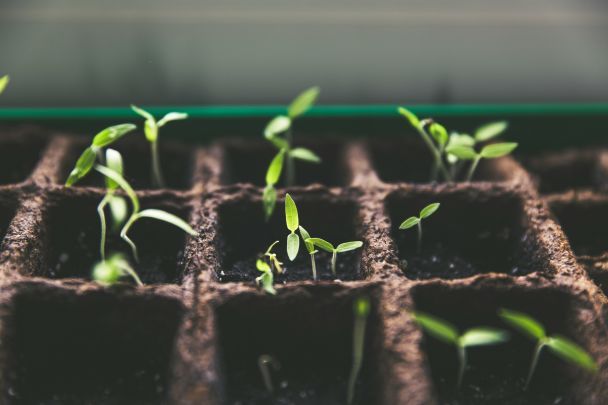
While sweet pepper seeds can take up to three or four weeks to sprout, using this method can produce the first sprouts within just a few hours of soaking. The pre-sprouted seeds are then sown into seedling containers rather than directly into open ground, which provides optimal conditions for plant development.
For planting, it is crucial to use soil that is light, loose, yet nutrient-rich. This creates favorable conditions for root system expansion and the plant's subsequent growth.
Why This Method Is So Effective
Using a warm chamomile or nettle infusion not only activates the germination process but also protects the seeds from potential diseases. These natural components are effective due to their antiseptic properties, which is especially important for heat-loving crops.
Once the seeds have sprouted, it's important to follow proper planting rules. The sprouted seeds should be planted in prepared seedling containers, ensuring they have sufficient space to grow. Choosing light and nutritious soil also promotes faster plant development, which will later impact their yield.
Thus, by following these simple recommendations and using natural means, you can significantly increase the chances of successfully germinating sweet peppers.
This seed-soaking method in chamomile or nettle infusion is popular among gardeners because it yields the first sprouts much faster than traditional methods. Using natural antiseptics not only stimulates germination but also provides disease protection, which can be especially important given changing climate conditions and growing agricultural challenges. With the increasing interest in organic cultivation, this approach can become an important element in the practice of many gardeners.
Read also
- When the Sun Stands Still: Summer Solstice 2026 Date, Traditions, and What to Expect
- Boost Your June Garlic Harvest: Essential Fertilizers for Bigger Bulbs
- Egg-Stuffed Potato Baskets: A Simple Recipe from the 'Kitchen with Maryna' YouTube Channel
- Tarot Warns of Financial Pitfalls: Zodiac Signs That Must Stay Cautious This June
- Cherry Custard Napoleon Cake: A Delicious Recipe to Try
- How to Make the Perfect Apricot and Plum Compote for Winter Storage