Britain warned about the risk of rolling blackouts: when problems are expected.

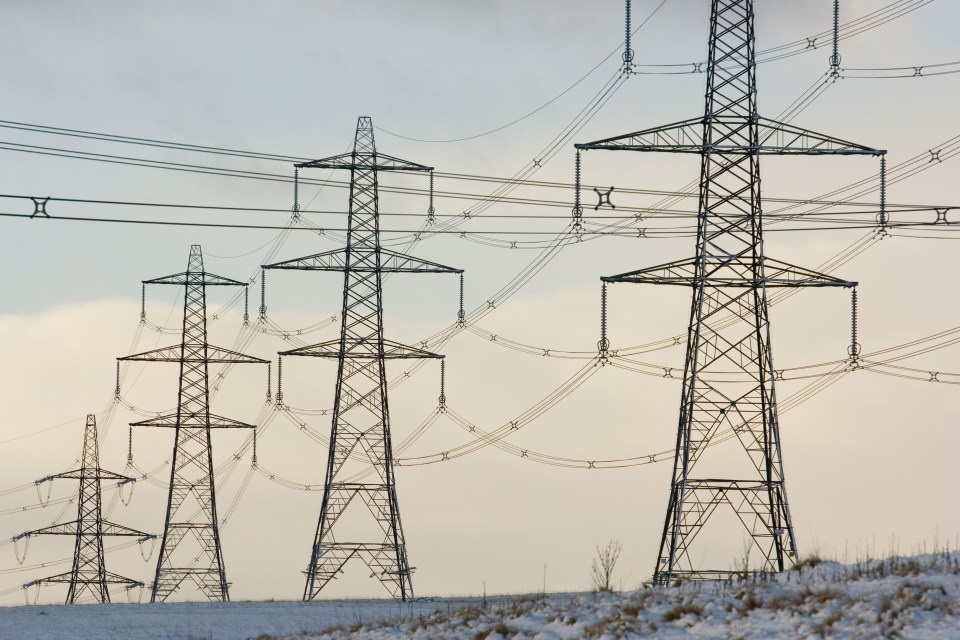
According to The Sun: This winter has already raised concerns about possible power outages. In particular, from the beginning of December to mid-January, 'tense days' for energy supply are forecasted.
The National Energy Systems Operator (NESO) warns that in winter months, situations may arise where the demand for electricity exceeds supply.
AlamyIn such cases, messages may be issued to increase production, and importing electricity from Europe will help prevent outages.
Despite concerns, NESO announced that electricity reserves, known as electrical margins, have reached their highest level since 2020.
New battery systems and imports from European countries play an important role in stabilizing energy supply.
The electricity network operator and the National Gas Company have released their forecasts for the winter against the backdrop of rising energy prices at the beginning of the month due to an increase in price limits.
“We expect sufficient electricity reserves throughout the winter, although some days may be tense, requiring the use of our standard tools, including system messages.”
System messages are a mechanism by which the network operator informs the energy industry about the mismatch between supply and demand for electricity, allowing for increased production if necessary.
Preliminary data from power companies and forecasters suggest that 'tense days' are most likely to occur in early December or mid-January.
NESO reports that imports will be available to cover needs, ensuring “adequate electricity supply across Europe.”
“A resilient and reliable energy supply is fundamental to our way of life.”
“At NESO, we are paying attention to the upcoming winter and can confirm that the current forecast shows the strongest electrical margins in the last six years.”
“It is critically important to continue collaborating with the wider energy industry to prepare for the coming months to maintain this foundation and preserve our globally recognized level of reliability.”
What about gas supply?
Recent data from the National Gas Company shows that there are sufficient resources in the UK to meet peak gas demand.
Even considering possible network outages, supplies may meet demand.
Gas demand is expected to be 3% lower than last winter, which will reduce pressure on supply.
While days of high demand are still possible, the company assures that the market is capable of functioning effectively.
“As winter approaches, we are confident in the resilience of our gas system and our ability to meet the energy needs of Britain during peak periods.”
However, the National Gas Company's report also indicates a decrease in gas storage levels in Great Britain due to the closure of the Rough storage facility near the Yorkshire coast, leading to increased imports of liquefied natural gas (LNG) during high demand.
The Rough facility is located in the North Sea and is the largest in Great Britain, but its owner Centrica has halted gas filling due to lack of financial viability.
This facility provides about half of the country's storage capacity and serves as a buffer during particularly cold weather and sharp increases in gas demand.
Centrica has long warned that the closure of the site will happen without adequate government support for investment in its modernization.
Last winter, Great Britain barely avoided power outages as frosty weather led to a significant drop in wind energy production, placing the grid at risk.
NESO spent 21 million pounds — ten times the normal rate — to keep gas power plants running in January when a shortage occurred.
Experts criticized the system operator for its inability to anticipate high energy demand and excessive reliance on renewable energy sources during the winter months.
It is noted that wind energy production fell to 17.6%, while gas provided half of the country's electricity.
Critics point out that such reliance on weather-dependent energy makes Great Britain vulnerable and call for increased investment in gas and nuclear power plants to ensure supply stability.
Awareness of these factors could significantly influence the country's energy policy, especially amid climate change and rising energy demands.
Preparing for the upcoming winter months will be critically important to maintain energy security and prevent possible outages, which in turn will affect the daily lives of Britons.
Read also
- New U.S. Tariffs Hit 60 Nations: Here Are the Rates for the EU and Russia
- Russia’s Oil and Gas Revenue Set to Surge by 60%—Here’s What’s Driving the Jump
- IMF Disburses $690 Million Second Tranche to Ukraine: Where the Funds Are Going
- Russia’s Budget Deficit Could Hit 7 Trillion Rubles—What Are the Default Risks?
- Expert Sets Critical Threshold: 60% of Russia's Oil Refining Capacity Must Be Destroyed
- Russia Faces Imminent Fuel Crisis: Why Refinery Recovery Is Nearly Impossible, Expert Warns