Baking foil: which side to use properly and why it doesn’t matter.

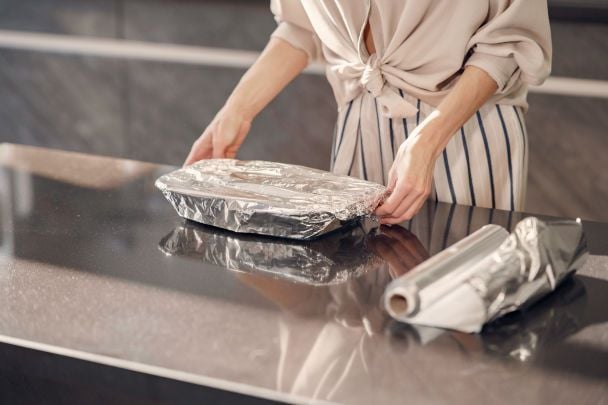
According to ТСН: Aluminum foil is an indispensable assistant for every cook. It not only protects the baking sheet from grease, but also helps to preserve the juiciness of meat and allows vegetables to cook in their own juice. However, when we unroll the roll, the question often arises: which side to use – the shiny or the matte? This seemingly trivial detail has spawned countless myths.
The difference between the surfaces of the foil is not the result of a cunning design by manufacturers. It arises from the technology of production. Aluminum is rolled through huge rollers to become thin, and at the final stage, two sheets pass together:
The shiny side is the one that touched the polished steel rollers.
The matte side is the inner surface where two sheets of aluminum touched each other.
Scientific studies confirm that the shiny surface reflects up to 90% of heat, while the matte reflects about 80%. Although the difference seems significant, in practice, in a heated oven where heat comes from different sides, this nuance becomes almost imperceptible. The thickness of the foil is extremely small, so the temperature equalizes instantly.
Therefore, the main conclusion of the experts: for ordinary food foil without any special coating, the side does not matter critically. Your dish will be delicious in any case.
When it does matter
Although the difference is minor, there are a few recommendations for gourmets:
Baking meat and fish. Traditionally, it is recommended to wrap products with the shiny side inside since the reflective surface 'returns' heat, creating a thermos effect that helps keep the juices.
Vegetables and baking. To make vegetables cook faster, you can leave the matte side outside – it absorbs heat better. For baking on the sheet, it is better to lay the foil with the shiny side up, which reduces the risk of burning.
Non-stick foil. If you have special foil with a non-stick coating, always place food on the matte side as it has a special layer that food won't stick to.
Common mistakes to avoid
Even with such a simple tool, mistakes can be made. Here’s what not to do:
Microwave — taboo. Do not put foil in the microwave if you don’t want to see sparks.
Too tight wrapping. Leave a little space in the package for steam circulation, otherwise the meat will turn out tender, not boiled.
Acid and aluminum. Do not store high-acid foods (lemons, tomatoes, vinegar-based sauces) in foil, as acid can alter the taste of the food.
Frequent use of cutlery can lead to loss of shine, but it can be easily restored using kitchen foil, boiling water, baking soda, and sugar. Just crumple a few pieces of foil, add them to boiling water with baking soda and sugar, submerge the cutlery for a few minutes, and then wipe dry – and they will shine like new again.
Therefore, when used correctly, aluminum foil can significantly simplify the cooking process. Knowing the nuances of its application will not only help preserve the taste of dishes but also avoid typical mistakes during their preparation. After all, even something as simple as foil requires certain knowledge for maximum effectiveness in the kitchen.
Read also
- A Festive Drink Made from Tea Rose Petals: An Easy Recipe for Your Holiday Table
- A Surprising Twist on Crab Stick Salad: One Unlikely Ingredient Transforms the Flavor
- Unique Venus-Jupiter Conjunction: One Zodiac Sign Gets a Rare Opportunity Until June 14
- Short Nails Look Longer with the Italian Manicure: How This New Beauty Trend Works
- Ukrainian Star Pavlo Zibrov Celebrates First Strawberry Harvest from His Kyiv-Area Garden
- Beat the Heat on the Subway: A Train Operator Reveals the Coolest Spot in the Car