The government has elevated the status of the grave of Rabbi Nachman: why thousands of Hasidim are traveling to Uman.

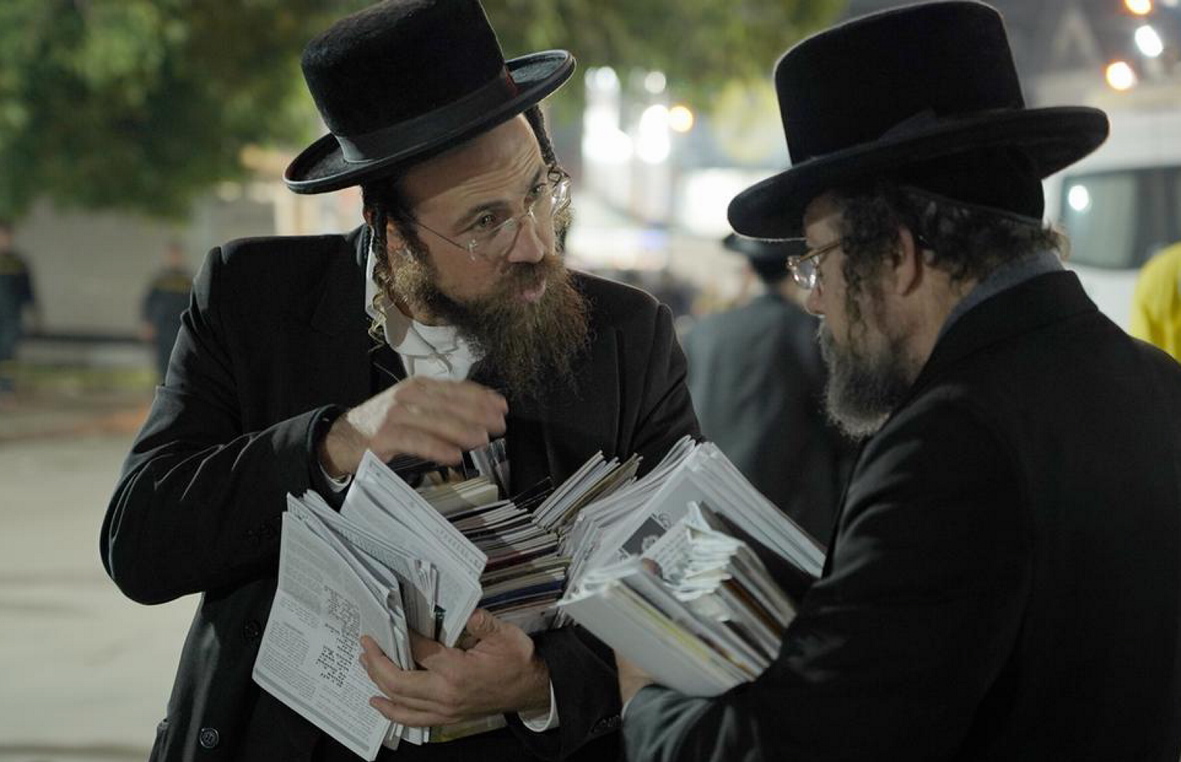
According to inkorr.com: At the end of August, pilgrims from Israel arrive in the Ukrainian city of Uman in Cherkasy region to celebrate Rosh Hashanah and pay tribute to the memory of the righteous Rabbi Nachman of Bratslav (1772-1810).
The life and legacy of Rabbi Nachman
Rabbi Nachman of Bratslav, the great-grandson of the founder of Hasidism, Rabbi Baal Shem Tov, is one of the most renowned leaders of the Bratslav Hasidim. He spent the last several years of his life in Uman, where he died in 1810 and was buried in the ancient Jewish cemetery.
This year, a record number of pilgrims is expected in Uman. Despite the difficulties associated with the war in Ukraine and high travel costs, hundreds of Hasidim are eager to celebrate Rosh Hashanah. Rabbi Nachman's will states that all who turn to him for help will not go unanswered.
Celebration of Rosh Hashanah and elevation of the grave's status
The celebration of Rosh Hashanah in Uman is planned from September 25 to 27, 2025. The Ukrainian government has decided to elevate the status of Rabbi Nachman's grave from local to national significance, providing it with the highest level of state protection.
On July 2, 2025, the Cabinet of Ministers of Ukraine made this decision.
Every year, the number of pilgrims increases, and about 30,000 Hasidim arrive for the Rosh Hashanah celebration.
About Rabbi Nachman
Rabbi Nachman was born on April 4, 1772, in Medzhybizh. From a young age, he displayed great intelligence and erudition, and at the age of 13, he wrote his first book, 'The Book of Moral Qualities'. After that, he studied in the village of Osoty and made a pilgrimage to Palestine in 1798-1799.
In 1802, he settled in Bratslav and visited the cemetery in Uman, which became an important place for him.
How many executions have taken place here, how many saints have been here! - exclaimed the Rebbe, asking to be buried in Uman beside the victims of pogroms to 'bring them to the throne of the Lord'.
Rabbi Nachman's main work is considered to be 'Ontology of the Teachings of Rabbi Nachman', which contains three hundred of his lessons. He also wrote fairy tales, including 'Tales of the Extraordinary'.
Bratslav was not a happy city for Nachman. Here he became a widower and lost his firstborn. In May 1810, Nachman moved to Uman, where he died on October 16, 1810.
Every year, a great Hasidic pilgrimage takes place in Uman for Rosh Hashanah. Despite the war, visiting the grave of Rabbi Nachman remains a priority for many believers, who come to Uman even in dangerous conditions.
According to Rabbi Nachman, the last instruction for his followers was to honor his memory at the grave on New Year's Day, light candles, and recite a prayer. He promised blessing and mercy to all who come.
The city is already preparing for the arrival of pilgrims. Historian Shimon Briman noted that this year up to 55,000 pilgrims could appear, which will set a new record.
Uman is ready to welcome the pilgrims. A special hospital ward has already been built, which will operate during the holiday. All infrastructure is already ready. Hundreds of thousands of portions of kosher food will be provided here, - noted the expert.
Pilgrims are not deterred by the situation in Ukraine or the cost of travel; for them, it is important to visit the grave of Rabbi Nachman.
Read also
- Defense Cooperation Takes Center Stage in Zelenskyy–von der Leyen Talks
- Belarus Prepares for Aggression Under Russian Influence, Says Zelensky – New Infrastructure Data Revealed
- From Multi-Vector Balancing to National Dignity: The Transformation of Ukraine’s Foreign Policy
- Military Personnel Shielded from Debt Collection: What Creditors Cannot Seize
- Ukraine and Poland Discuss Energy Cooperation as Svyrydenko Meets Tusk
- Germany's Scholz Urges Russia to Negotiate: Could a Frontline Freeze Be on the Table?