Military Personnel Shielded from Debt Collection: What Creditors Cannot Seize.

Protection for Service Members During Wartime
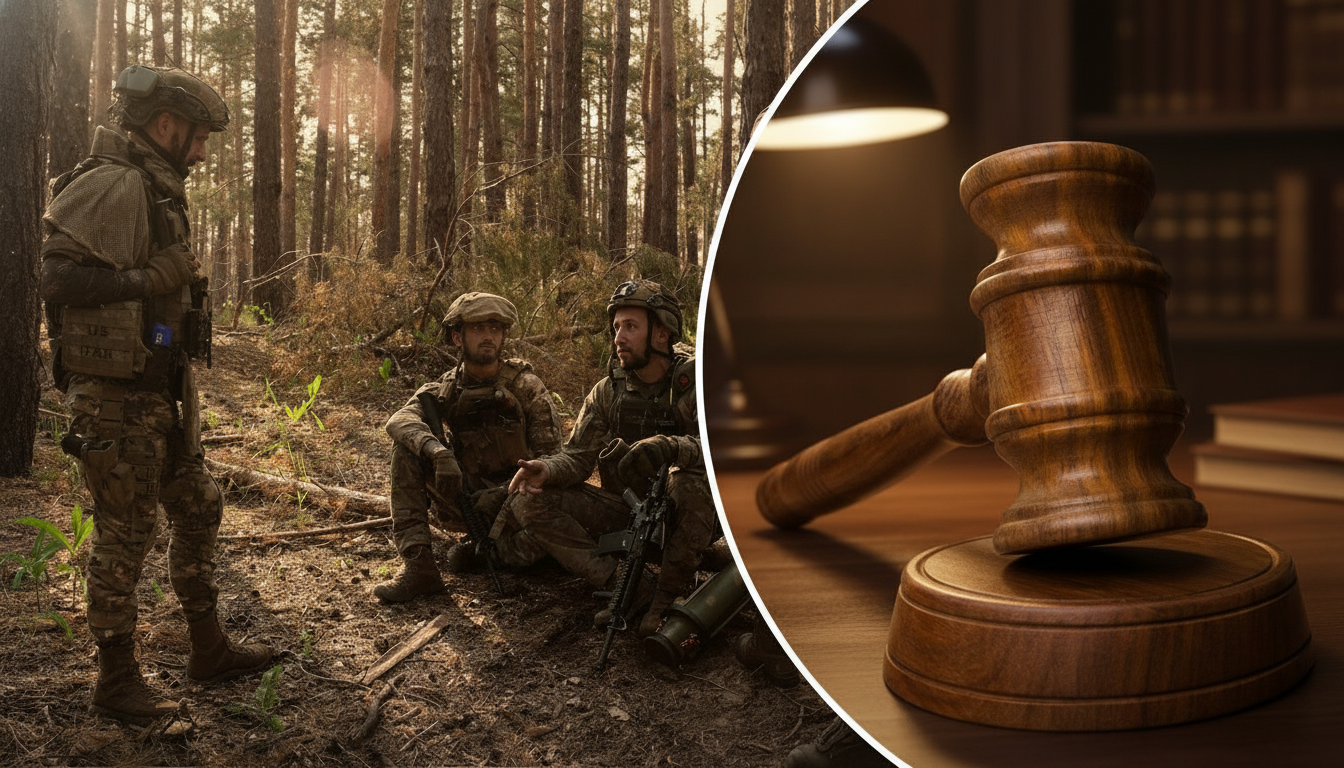
According to Novyny.live: In Ukraine, active-duty troops and veterans now enjoy immunity from forced debt collection for the duration of the war and for one year after it ends. This protection comes from Law No. 4833-IX, which bans the seizure of a service member's primary residence and associated land plot. However, the legislation includes specific exceptions that must be kept in mind.
Under the new rules, enforcement actions cannot target housing that serves as a soldier's sole place of living, nor the land attached to it. This shield remains in effect for an additional twelve months after the war concludes, giving military personnel time to stabilize their finances without fear of losing their homes. Exceptions apply when the property is mortgaged, or when the debt stems from criminal damages, personal injury, or wrongful death compensation.
Who Qualifies for This Protection?
The safeguards outlined in the law extend to members of various armed formations. Eligible groups include:
- Armed Forces of Ukraine
- National Guard
- State Special Transport Service
- State Service for Special Communications and Information Protection
- Other military units and special-purpose law enforcement agencies
To access these guarantees, service members can submit an application in person, by mail, or electronically. They can also verify their debtor status through the 'Diia' app under the 'Enforcement Proceedings' section, or via the Automated Enforcement Proceedings System.
The introduction of these measures aims to shield troops from financial hardship during a challenging period and ensure they receive support while carrying out their duties.
This law represents a key step in backing military personnel enduring the harsh realities of war, offering essential protection against financial risks. The built-in exceptions also reflect an effort to strike a balance between safeguarding soldiers and respecting creditors' rights. Such provisions can contribute to stability for service members and their families as the country works to recover after the conflict.
Read also
- Russia's Strategic Blunders in War: Professor Warns the Cost of Aggression Will Keep Rising
- Trump Alleges Leak of 220 Million U.S. Voter Records, Demands Investigation
- 11 Major Issues Signal Zelensky’s Losing Grip on the Military
- Trump Declares Victory Over Iran as New Strikes Hit the Strait of Hormuz, Resuming War
- Over 60 U.S. Senators Back New Russia Sanctions: What's at Stake
- EU at a Crossroads: Latvia’s Premier Urges Tougher Sanctions on Russia as 21st Package Stalls